Landscaping
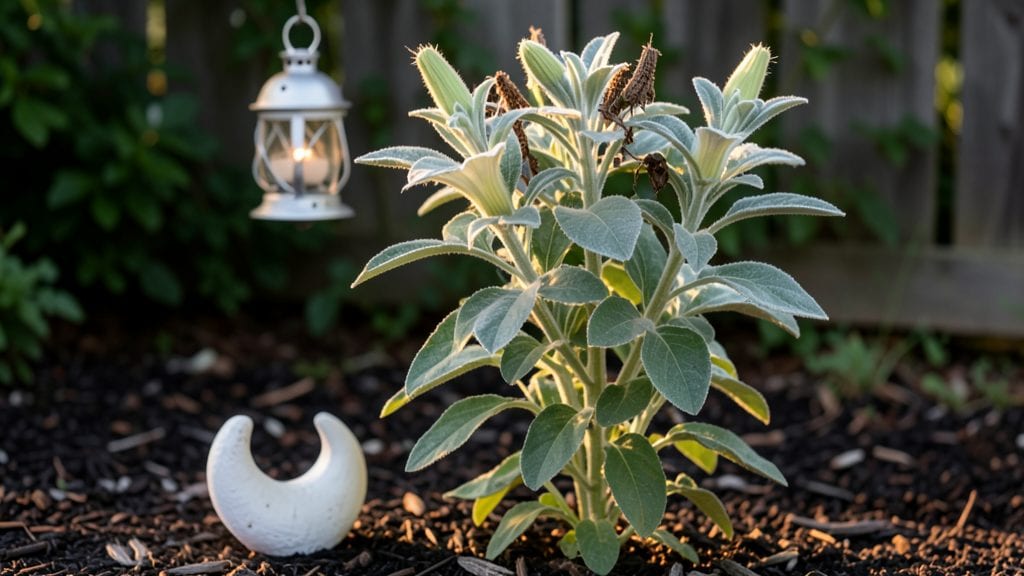
Moon garden designs transform your yard into a twilight sanctuary where flowers glow like stars against the dark. 🌙 I stumbled onto this idea after watching my white night-blooming jasmine light up the patio at midnight—it felt like magic, and I knew I wanted more of that ethereal glow in my own space.
The key is layering plants that shine in low light: white and pale blooms reflect moonlight naturally, while silver foliage adds texture. Think night-blooming cereus, moonflower vine, and dusty miller—all low-maintenance stars that thrive with minimal fuss.
Even a small corner can become a moonlit retreat with the right plant choices.
You’ll end up with a garden that feels alive after sunset, where every petal and leaf glistens under the moon’s light. The scent of night-blooming jasmine or gardenia will drift through your space, creating an atmosphere that’s pure enchantment. Perfect for patios, courtyard edges, or even container setups.
Works in any climate zone with the right plant selections—just swap heat-sensitive varieties for frost-tolerant ones in colder areas. Here’s how to craft your own celestial oasis, step by step.
📚 In This Guide
- What you need
- Instructions
- Tips and common mistakes
- Wrapping up and next steps
What you need
- ● Night-blooming plants (5-10 varieties): Moonflower (Ipomoea alba) – 3-5 plants
- ● Evening Primrose (Oenothera) – 5-7 plants
- ● Night-blooming Jasmine (Jasminum sambac) – 3 vines
- ● Angel’s Trumpet (Brugmansia) – 2-3 plants
- ● Four O’Clocks (Mirabilis jalapa) – 5-10 plants
- ● Reflective or silver foliage plants (3-5 varieties): Lamb’s Ear (Stachys byzantina) – 3-5 plants
- ● Silver Falls Dichondra (Dichondra argentea) – 1-2 ground covers
- ● Variegated Hostas (e.g., Hosta ‘Francee’) – 5-7 plants
- ● Glow-in-the-dark or solar-powered garden lights (10-20): Stake lights (5-7)
- ● Pathway lights (5-7)
- ● Spotlights (3-5)
- ● Mulch: 2-3 bags of silver or white mulch (or dark mulch for contrast)
- ● Soil amendments: 1 bag of compost + 1 bag of perlite/sand (for drainage)
- ● Basic gardening tools: Trowel
- ● Pruners
- ● Garden gloves
- ● Wheelbarrow or bucket
- ○ Optional (but magical!) additions: Fireflies or LED bug lights (for ambiance)
- ● Scented candles (citrus or floral)
- ● Wind chimes or soft lighting fixtures
- ● Water feature (small fountain or reflective bowl)
How to design a moon garden that glows at night
Here’s how to create a magical nighttime retreat using plants that shine under moonlight.
🌿 Step 1: Choose Night-Blooming and Reflective Plants
Start with plants that naturally glow or bloom after dark. Include night-blooming flowers like moonflower (Ipomoea alba), evening primrose (Oenothera biennis), and angel’s trumpet (Brugmansia). Add silvery foliage like lamb’s ear (Stachys byzantina) and dusty miller (Jacobaea maritima) to reflect moonlight. These plants will create a luminous effect when illuminated by the moon.
I also recommend adding white and pale flowers like white daisies, lilies, and snapdragons—they stand out beautifully in low light. Arrange them in clusters to maximize their glow. If your garden has limited moonlight, consider adding phosphorescent paint to rocks or borders for extra sparkle.
✂️ Step 2: Prune and Shape for Maximum Visibility
Trim foliage to keep plants open and airy, ensuring moonlight can filter through to the ground. Remove dead or overgrown branches, and shape shrubs like boxwood (Buxus sempervirens) into low, rounded forms. This creates a soft, glowing silhouette that contrasts beautifully against the night sky.
For taller plants, like angel’s trumpet, prune to encourage bushier growth rather than tall, leggy stems. You’ll want a mix of heights—3-4 feet for mid-level plants and 1-2 feet for ground covers—to create layers that catch light at different angles. Avoid dense, bushy plants that block moonlight from reaching the center of the garden.
🪴 Step 3: Arrange for Optimal Moonlight Reflection
Position your plants so they face the direction where the moon rises in your area. In the Northern Hemisphere, this is typically the southeast to east. Place reflective plants like lamb’s ear and dusty miller near the edges of the garden, where moonlight hits first. This ensures their silvery leaves catch and scatter light across the space.
Group white and pale flowers in the center of the garden to create a focal point. Use low-growing plants like creeping phlox or ajuga as borders to frame the glowing center. If your garden has a path, line it with bioluminescent plants like glow-in-the-dark paint on stepping stones or reflective mulch to guide visitors through the moonlight.
☀️ Step 4: Add Lighting for Extra Magic
While moonlight is the star, strategic lighting enhances the effect. Use solar-powered LED path lights or battery-operated string lights to highlight key areas. Place lights near the base of taller plants to cast a soft glow upward, making them appear even more ethereal. Avoid harsh, bright lights—they’ll wash out the natural beauty of your moon garden.
For a subtle touch, try fiber-optic landscape lighting buried along pathways. These lights emit a gentle, diffused glow that mimics moonlight. Test the lighting at night to ensure it complements—not competes with—the natural illumination. The goal is to create a serene, dreamy atmosphere, not a brightly lit display.
💧 Step 5: Maintain for Long-Lasting Beauty
Water your moon garden deeply but infrequently—aim for 1-2 inches of water per week, adjusting for rainfall. Most night-blooming plants thrive in well-drained soil, so avoid soggy conditions, which can rot roots. Mulch with organic material like shredded bark to retain moisture and suppress weeds, keeping the garden looking pristine.
Prune regularly to encourage new growth and maintain the open structure that lets moonlight through. Fertilize lightly in early spring with a balanced, slow-release fertilizer to support blooming. Deadhead spent flowers promptly to encourage more blooms and keep the garden looking fresh. With proper care, your moon garden will glow brighter each season.
Tips & tricks for perfect moon garden designs
Creating a moon garden that truly glows at night takes a few strategic touches that go beyond just selecting pretty plants. Here's what I've learned after designing several moonlit retreats that actually shine.
Moonlight Direction Matters: The Northern Hemisphere's moon typically rises in the southeast to east, so orient your garden accordingly. Place reflective plants like lamb's ear and dusty miller near the edges where moonlight hits first. I've seen gardens where this simple orientation made the difference between subtle moonlight and a truly luminous display. For Southern Hemisphere gardens, reverse this direction—moonrise occurs in the northeast to east.
Layering Creates Illusion: The magic happens in the layers. Start with 1-2 feet ground covers like creeping phlox, then 3-4 feet mid-level plants like angel's trumpet, and finish with taller elements. This creates depth that catches moonlight at different angles. I once designed a garden where the middle layer was missing, and the moonlight just bounced off the top without creating that magical glow on the ground.
Color Contrast is Key: While white and pale flowers stand out beautifully in moonlight, don't forget the power of contrast. I always include a few dark foliage plants like black mondo grass (Ophiopogon planiscapus 'Nigrescens') or purple-leaved heuchera to make the white blooms pop even more dramatically. The contrast creates visual interest that's visible even in low light.
Lighting Enhancement: While moonlight is your star, strategic lighting can make all the difference. Solar-powered LED path lights placed near the base of taller plants create upward light that makes them appear ethereal. I recommend testing your lighting at night first—sometimes what looks subtle during the day becomes too bright after dark. The goal is to complement, not compete with, the natural moonlight.
Pro Tips for Moon Garden Designs
- Creating a moon garden that truly glows at night takes a few strategic touches that go beyond just selecting pretty plants.
- Moonlight Direction Matters: The Northern Hemisphere's moon typically rises in the southeast to east, so orient your garden accordingly.
- Layering Creates Illusion: The magic happens in the layers.
Frequently asked questions
Got questions about creating your own moon garden? Here are some of the most common ones—and their answers—to help you glow up your outdoor space after dark!
What are the best flowers for a moon garden that thrive in low light?
A moon garden thrives with night-blooming or reflective flowers like night-blooming jasmine, evening primrose, moonflower, and Angel’s Trumpet. For daytime glow, opt for white impatiens, white petunias, or white snapdragons—their pale hues reflect moonlight beautifully. Pair them with foliage like hostas or heucheras for texture.
When is the best time to plant a moon garden?
Plant in early spring or early fall for optimal root establishment. Avoid extreme heat or frost, which can stress plants. If you’re adding night-bloomers, check their specific planting zones—some, like moonflower, prefer warm climates, while evening primrose is hardy in cooler regions. A well-timed planting ensures your garden blooms when the moon is brightest!
Can I create a moon garden in a small space, like a balcony or patio?
Use containers with reflective flowers like white alyssum, miniature roses, or glowing dewdrop plants. Hang lanterns or solar-powered lights to enhance the effect. Even a single large pot with a moonflower vine can transform a tiny space into a magical retreat.
Why aren’t my moon garden plants blooming at night?
Night-blooming plants need low-light conditions to trigger flowers. If they’re not opening, check for:
- Too much artificial light (keep streetlights or porch lights away).
- Poor soil drainage (ensure well-draining soil).
- Incorrect watering (overwatering can drown roots; underwatering stresses plants).
- Wrong plant variety (some "moon garden" plants are daytime bloomers—double-check labels!).
How can I add fragrance to my moon garden?
Fragrance is key for a sensory moon garden! Plant night-scented jasmine, tuberose, or four o’clocks for intoxicating evening aromas. For a milder scent, try white gardenias or white cleome. Place seating areas near fragrant plants so you can see and smell the magic after dark.
Wrapping up and next steps
A moon garden isn’t just a dreamy retreat—it’s a magical extension of your outdoor space that shines brightest under the night sky. 🌙 By blending the right plants, lighting, and textures, you’ve unlocked a serene escape that’s as functional as it is enchanting.
Whether you’re drawn to silvery foliage, fragrant night-bloomers, or soft ambient lighting, your garden is now a canvas of nocturnal beauty.
Ready to bring your vision to life? Start small—plant a few glowing favorites, test your lighting setup, or sketch a layout for a full transformation. Every moonlit petal is a step toward a garden that feels like a fairy tale. 🌸