Pests and Diseases
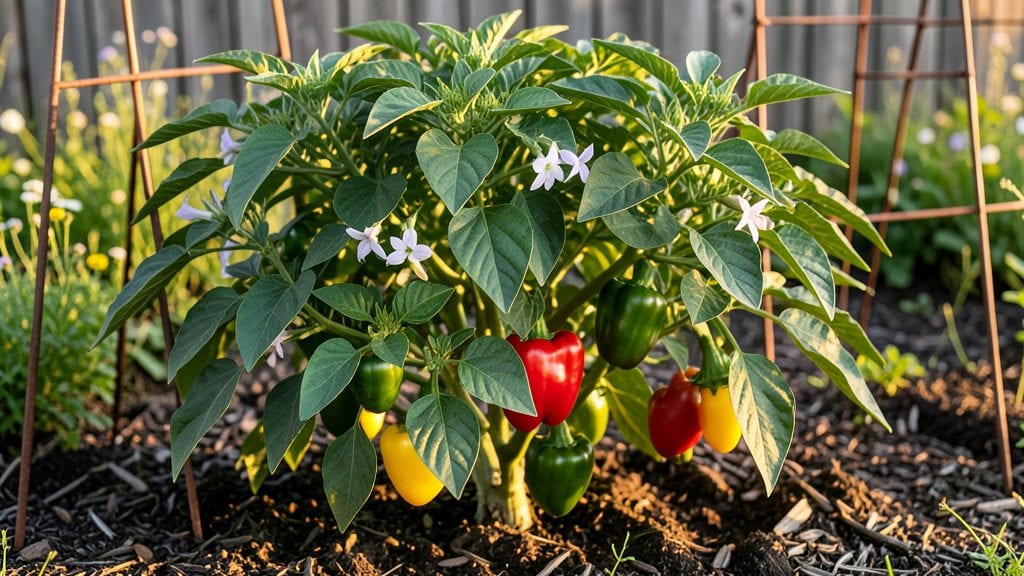
Here are some essential pepper gardening tips—because growing peppers from seed to harvest is where the magic happens, especially when you skip the pest wars. 🌱 I’ve grown over 20 varieties, and the secret isn’t fancy tricks but matching their needs to your space.
Start with warm soil, the right sunlight, and a few simple tricks to keep bugs away.
Peppers thrive in full sun and well-draining soil, but most beginners overcomplicate watering or spacing. A 5-gallon pot per plant works just as well as a raised bed, and mulching cuts down on weeds while keeping roots cool. The real game-changer? Planting basil nearby—it repels pests naturally.
By mid-summer, you’ll be harvesting crisp bell peppers, fiery jalapeños, or sweet habaneros without a single aphid in sight. The plants stay compact, productive, and healthy, proving that zero pest battles aren’t just possible—they’re the standard when you do it right.
Works for containers, in-ground beds, or even balconies—just adjust spacing and sunlight. Here’s how to set it up for foolproof results every season.
📚 In This Guide
- What you need
- Instructions
- Tips and common mistakes
- Wrapping up and next steps
What you need
- ● Pepper Seeds or Seedlings: Choose pest-resistant varieties like ‘Carolina Wonder’ or ‘Jalapeño M’ (10–20 plants, depending on yield goals).
- ● Containers or Garden Bed: Containers: 5–10 gallon pots (with drainage holes) for each plant.
- ● Garden Bed: Well-draining soil (6–8 inches deep) in a sunny spot (6+ hours of sunlight daily).
- ● Soil Mix: 50% potting soil + 30% compost + 20% perlite or vermiculite (for aeration).
- ● Fertilizer: Balanced 10-10-10 fertilizer or organic options like fish emulsion (apply every 4–6 weeks).
- ● Companion Plants: Basil, marigolds, or onions (plant 2–3 per pepper plant to deter pests).
- ● Neem Oil or Insecticidal Soap: 1–2 sprays per week (preventative measure).
- ● Row Covers: Lightweight fabric to shield seedlings from early pests.
- ● Diatomaceous Earth (Food-Grade): Sprinkle lightly around base (reapply after rain).
- ● 🌡️ Temperature: Keep soil warm (70–90°F) with a heat mat if starting indoors.
- ● ✨ Pruning Shears: Small, sharp pair (for trimming yellow leaves or pests).
- ● 🎯 Mulch: Straw or grass clippings to retain moisture and deter soil-borne pests.
Step-by-step instructions for cultivating pest-resistant peppers
Here’s how to grow robust peppers that naturally deter pests—no chemicals needed.
🌱 Step 1: Select Disease-Resistant Varieties and Start Seeds Early
Choose pepper varieties bred for pest resistance, like ‘Jalapeño M’, ‘Carolina Wonder’, or ‘Cayenne’. These hybrids resist common issues like aphids and spider mites. Start seeds indoors 8-10 weeks before your last frost date—peppers need warmth to germinate, and a seedling heat mat set to 80-85°F speeds things up.
Use sterile seed-starting mix (never garden soil) in 2-3 inch deep containers. Plant two seeds per cell at a ¼-inch depth, then cover lightly with mix. Mist the surface until evenly damp—don’t soak, or seeds may rot. Place containers in a humidity dome and keep soil consistently moist until sprouts appear in 7-14 days (depending on variety).
☀️ Step 2: Harden Off and Transplant After All Frost Risk Passes
Once seedlings show true leaves (not just the initial cotyledons), begin hardening them off. Move trays outside for 1-2 hours daily, gradually increasing exposure over 10-14 days. Peppers are frost-sensitive—wait until soil temperatures reach at least 60°F before transplanting, or roots will struggle.
Set plants 12-18 inches apart in full sun (6+ hours daily). Amend the soil with compost (if not already in your mix) to boost microbial activity, which strengthens plant defenses. Bury stems slightly deeper than their original soil line—this encourages root growth and stability. Water deeply at transplanting to settle soil around roots.
💧 Step 3: Water Deeply and Mulch to Prevent Stress-Related Pests
Peppers hate wet foliage, which invites fungal diseases and pests. Water at the base early in the morning, aiming for 1-1.5 inches per week. Let the top inch of soil dry between waterings—consistent moisture prevents blossom-end rot and weakens pests like aphids, which thrive on stressed plants.
Apply 2-3 inches of organic mulch (like straw or shredded leaves) around plants to retain moisture and block weeds. Mulch also deters pests by reducing soil-borne diseases. Avoid synthetic mulches—they can trap heat and stress plants, making them more vulnerable to attacks.
✂️ Step 4: Prune and Support for Airflow and Pest Deterrence
Peppers grow bushy, but overcrowding invites pests. Prune suckers (the small shoots forming in leaf axils) when they’re less than 2 inches long. Remove yellow or diseased leaves immediately—don’t compost them; bag and discard to prevent spread. Healthy airflow reduces humidity around plants, making them less appealing to pests.
Stake or cage plants as they grow to keep foliage upright. This improves sunlight penetration and reduces hiding spots for pests. If you notice early signs of pests (like sticky residue or tiny webs), spray plants with neem oil (mixed as directed) in the evening—it disrupts pests’ life cycles without harming beneficial insects.
🌿 Step 5: Monitor and Maintain Through Harvest
Inspect plants weekly for pests, focusing on the undersides of leaves. Introduce beneficial insects like ladybugs or lacewings if you spot early infestations—they prey on common pepper pests naturally. Avoid broad-spectrum pesticides; they kill helpful predators too.
Harvest peppers when they reach full color and firmness—regular picking encourages more production. Store ripe peppers in a cool, dry place (50-55°F) to extend freshness. If plants bolt (send up flowers) too early, reduce water slightly and provide even light to delay flowering until you’re ready for fruit set.
Tips & tricks for thriving pepper plants
Here's what I've learned after growing pest-resistant peppers for years—these tricks make all the difference between struggling plants and a thriving garden.
Seedling Heat Mat Strategy: That 80-85°F heat mat temperature isn't just arbitrary—it mimics tropical conditions where peppers evolved. If you don't have a heat mat, place your seed trays on top of your fridge (not inside) for consistent warmth. I've found that seeds germinate most reliably when the soil stays consistently between these temperatures, especially in cooler climates. The key is maintaining this warmth for at least 10-14 days until sprouts appear.
Harden-Off Gradually: The 10-14 day hardening off period is crucial but often rushed. Start with just 30 minutes outside on day one, then add 30 minutes each subsequent day. I've seen many gardeners skip this step entirely, only to have their seedlings wilt when transplanted. Pay special attention to wind exposure—peppers are sensitive to sudden drafts. On windy days, place seedlings in a sheltered spot or bring them inside completely.
Soil Temperature Check: That 60°F soil temperature minimum isn't just about frost protection—it's about root development. Use a soil thermometer to verify temperatures, especially in spring when ground warms slowly. If your soil runs cooler, consider using black plastic mulch to absorb heat before transplanting. I've had to delay planting by weeks when ignoring this temperature guideline, leading to stunted growth.
Neem Oil Application Timing: When you spot those early pest signs, evening application of neem oil is critical because it disrupts pests' feeding patterns while they're least active. Mix neem oil with water and a drop of dish soap (as an emulsifier) right before spraying—never store mixed solutions. I've found that applying neem oil weekly as a preventative measure during peak pest seasons keeps problems at bay entirely. The key is consistency: don't treat only when pests appear.
Pro Tips for Pepper Gardening Tips
- Here's what I've learned after growing pest-resistant peppers for years—these tricks make all the difference between ...
- Seedling Heat Mat Strategy: That 80-85°F heat mat temperature isn't just arbitrary—it mimics tropical conditions wher...
- Harden-Off Gradually: The 10-14 day hardening off period is crucial but often rushed. Start with just 30 minutes outs...
Frequently asked questions
When is the best time to plant peppers outdoors?
Peppers are heat-lovers, so wait until after the last frost when soil temps hit at least 60°F (15°C). In most regions, this means late spring or early summer. If your growing season is short, start seeds indoors 8–12 weeks before transplanting for a head start!
How do I prevent pests like aphids and spider mites naturally?
Skip the chemicals! Try these zero-pesticide tricks:
- Neem oil spray (1 tsp neem oil + 1 tsp mild soap in 1 quart water)
- Companion planting with basil, marigolds, or onions to repel bugs
- Blast pests off with a strong water spray (early morning works best)
- Encourage predators like ladybugs or lacewings by adding a small water source
Why are my pepper leaves turning yellow or curling?
Yellowing leaves often mean overwatering or nutrient deficiency, while curling could signal heat stress, pests, or fungal issues. Check these fixes:
- Let soil dry slightly between waterings (peppers hate soggy roots!)
- Test soil pH (aim for 6.0–6.8) and amend with compost if needed
- Inspect undersides of leaves for spider mites or aphids (use a magnifying glass!)
- Provide afternoon shade in scorching climates
How long does it take for pepper plants to produce fruit?
Patience is key! Most pepper varieties take 60–90 days from transplanting to harvest, but hot peppers (like jalapeños or habaneros) mature faster (60–75 days), while bell peppers can take 70–100 days. Fertilize lightly with phosphorus (like bone meal) at planting to boost flowering!
Can I grow peppers in containers, and what’s the best setup?
Peppers thrive in containers if you choose 5-gallon pots or larger (they need room for roots). Use:
- A well-draining potting mix (add perlite or vermiculite)
- Full sun (6+ hours daily) and a south-facing spot
- Regular feeding with balanced fertilizer (10-10-10) every 3–4 weeks
Wrapping up and next steps
Growing pest-free peppers is totally within your reach—just remember: healthy soil, smart spacing, and vigilant care are your best allies! 🌱 With the right companion plants, organic sprays, and a little patience, you’ll be harvesting vibrant, thriving peppers without the pest panic.
Start small, experiment with these tips, and soon you’ll be the proud pepper gardener your neighbors admire.
Ready to take it further? Pick your favorite variety, grab those seeds, and plant your first row today! 🌶️