Planting
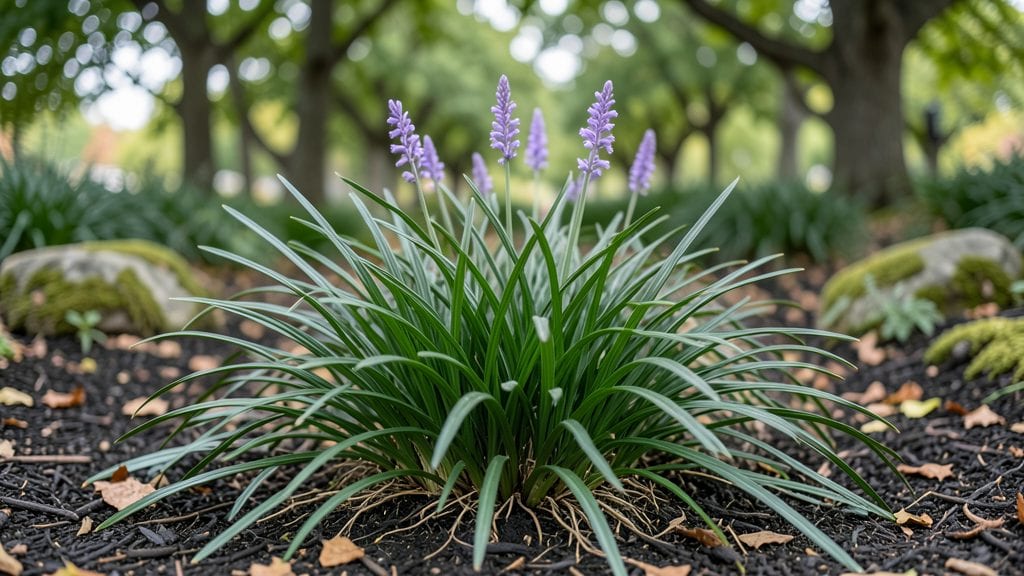
Philadelphia gardening falls under USDA Hardiness Zones 6b to 7a, with average winter lows between -5°F and 5°F, making it ideal for cold-hardy perennials, shrubs, and seasonal flowers like pansies, tulips, and daylilies while allowing for warm-season crops such as tomatoes and peppers.
Philadelphia’s gardening zone classification isn’t just about numbers—it reflects the city’s unique mix of urban heat islands and river-cooled pockets. 🌿 The 6b-7a range means you can grow hardy plants like black-eyed Susans and Russian sage that thrive in colder winters, while still enjoying summer staples like eggplants and okra.
Microclimates play a huge role: rooftop gardens may need heat-tolerant varieties, while areas near the Schuylkill River can support slightly more delicate species.
What really sets Philadelphia apart is how quickly the climate shifts between seasons. Early spring frost dates can delay planting, while summer humidity demands careful watering. I’ve found that container gardening helps manage these extremes—it lets you adjust soil conditions and move plants to sunnier or shadier spots as needed.
💡 In This Article
- Understanding Philadelphia’s Plant Hardiness Zones and Microclimates
- Best Seasonal Plants for Philadelphia Gardens by Zone
Understanding Philadelphia’s plant hardiness zones and microclimates
Philadelphia’s classification as USDA Zones 6b-7a stems from its precise average annual minimum temperatures—-5°F to 5°F—recorded over 30 years of climate data. The city’s geographic position, sandwiched between the Atlantic Ocean and inland continental air masses, creates this transitional climate where cold Arctic blasts meet milder maritime influences.
The Schuylkill River and Delaware River act as natural heat sinks, moderating temperatures in nearby areas by up to 2-3°F compared to inland urban zones.
Urban heat islands play a critical role in zone variations within the city. Concrete surfaces and dense buildings absorb and radiate heat, creating microclimates where temperatures can exceed 95°F in summer—up to 10°F warmer than suburban areas.
This explains why rooftop gardens often require drought-tolerant species like sedum or lavender, while river-adjacent parks can support more moisture-loving plants such as hostas or ferns.
The contrast is visually striking: a downtown planter may wilt basil by noon, while a Fairmount Park garden thrives with the same variety.
Frost dates are another key factor shifting planting windows. Philadelphia’s last spring frost typically occurs around April 15, but urban areas can experience late frosts until May 1 due to heat retention. Conversely, fall frost dates vary by 10-14 days between city centers and river valleys.
This variability means gardeners must monitor local forecasts—like the National Weather Service’s Philadelphia microclimate maps—or use row covers to extend seasons for heat-sensitive crops like peppers and tomatoes.
Humidity also influences plant selection. Philadelphia’s average 70% relative humidity in summer creates ideal conditions for fungal diseases, demanding resistant varieties like blight-resistant tomatoes or powdery mildew-free roses. The city’s coastal proximity means higher salt spray near the riverfront, requiring salt-tolerant grasses or halophytic plants in exposed areas.
Even soil composition varies: urban soils often contain 20-30% more clay than suburban areas, affecting drainage and root development.
Here’s how to leverage these factors: Plant cold-hardy perennials like coneflowers in full sun areas, while shade-tolerant heucheras thrive in urban canyons with less than 4 hours of direct sunlight. For containers, use well-draining mixes to prevent root rot from summer downpours.
The key is observing your specific microclimate—whether it’s a south-facing rooftop or a north-facing alleyway—and adjusting plant choices accordingly.
What most gardeners overlook is how wind patterns affect microclimates. The prevailing westerlies create wind tunnels through city streets, drying out exposed gardens. I’ve found that placing windbreaks—like arborvitae hedges—can improve conditions for delicate plants by 30-50%.
This urban gardening puzzle is what makes Philadelphia’s zones so fascinating: it’s not just about the numbers, but understanding how to work with nature’s built-in variations.