Companion Plants
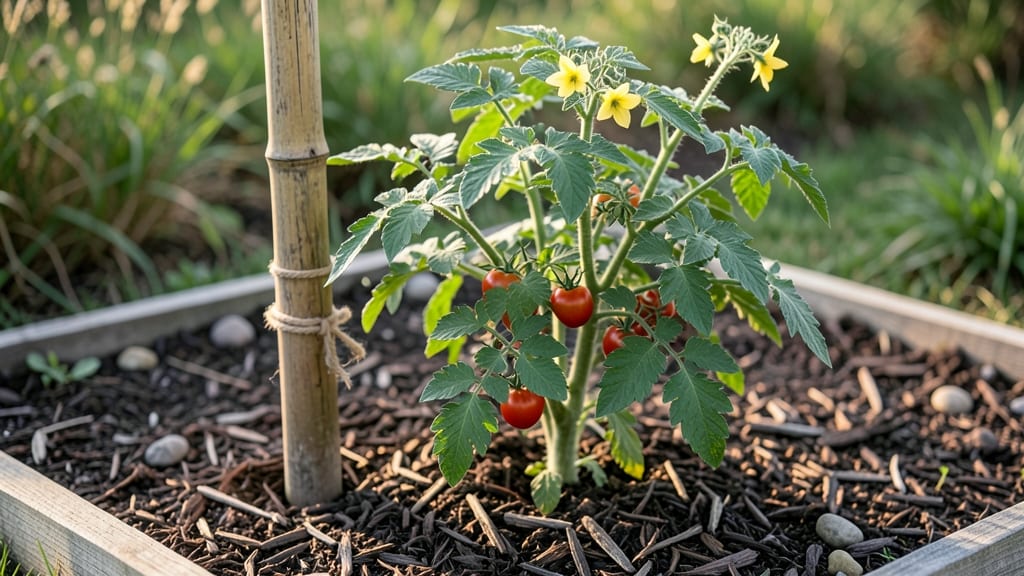
Square foot gardening turns tiny spaces into tomato powerhouses—where one plant can produce a bushel instead of just a few fruits. 🌱 I’ve watched my 4x4-foot raised bed go from struggling seedlings to a summer-long tomato bonanza by treating each square like a high-rise apartment for plants.
The key? Right plant, right spot, and no wasted real estate.
Determinate tomatoes (like 'Roma' or 'Celebrity') thrive in 1 square foot per plant, while sprawling indeterminates (like 'Sungold' or 'Brandywine') need 4 squares—plus a sturdy cage or trellis to climb. My first mistake?
Crowding plants to save space; now I use vertical tricks like hanging baskets for cherry tomatoes and let vines sprawl across the bed’s edges. The soil mix matters too: 60% compost, 30% coco coir, and 10% perlite keeps roots happy without compacting.
You’ll harvest tomatoes all summer long if you water deeply twice a week (check soil 2 inches down—it should feel like a damp sponge) and prune suckers religiously.
The real magic happens when you pair tomatoes with basil (pest control) and marigolds (soil health), turning each square into a self-sustaining mini-ecosystem. Even in my cramped urban yard, I’ve averaged 20 pounds of tomatoes from just 16 square feet.
This method works for balconies, rooftops, or backyard plots—just adjust for your sun exposure. The only rule? Never skip the mulch (straw or shredded leaves) to keep soil moist and weeds at bay. Ready to turn your smallest space into a tomato treasure chest?
📚 In This Guide
- What you need
- Instructions
- Tips and common mistakes
- Wrapping up and next steps
What you need
- ● Square Foot Garden Box: 1 box (minimum 4’ x 4’ for 16 sq ft, but 2’ x 2’ works for 1 tomato plant)
- ● Must be 6–12 inches deep (tomatoes need root space!)
- ● High-Quality Soil: 1 cubic foot per square foot of mel’s mix or a compost-based potting mix (avoid garden soil—it compacts!)
- ○ Optional boost: Add 1–2 cups of compost or worm castings per sq ft for extra nutrients.
- ● Tomato Plants: 1–4 plants per sq ft (depending on variety: determinate = 1 plant, indeterminate = 1–2 plants).
- ● Choose compact or dwarf varieties (e.g., ‘Tiny Tim,’ ‘Patio,’ or ‘Balcony Red’).
- ● Basic Tools: Hand trowel or small shovel
- ● Garden gloves
- ● Watering can or hose with a gentle spray nozzle
- ○ Support Structures (Optional but Recommended): Cages or stakes: 1–2 per plant (bamboo or spiral tomato cages work great).
- ● Trellis: For indeterminate varieties (install early to avoid root disturbance).
- ● Fertilizer: Balanced organic fertilizer (e.g., 5-5-5 or fish emulsion) or tomato-specific feed.
- ● Slow-release pellets: 1 tbsp per sq ft mixed into soil at planting.
- ● Mulch: 1–2 inches of straw or shredded leaves to retain moisture and suppress weeds.
- ● Sunlight: 6–8+ hours of full sun daily (tomatoes are sun-worshippers!).
- ● Location: Place your box where it gets unobstructed sunlight and is easily accessible for watering.
- ● Timing: Start seeds 6–8 weeks before last frost (or buy transplants after frost danger passes).
- ● Plant when soil is at least 60°F (15°C).
Step-by-Step guide to square foot gardening with tomato plants
Here's how to grow four vigorous tomato plants in just one square foot—perfect for patios, balconies, or small yards.
🪴 Step 1: Prepare Your Square Foot Grid
Start by dividing your growing space into a 1-foot by 1-foot grid using wooden planks, string, or pre-made square foot frames. Tomatoes need one plant per square for optimal air circulation. I like to use 6-inch tall wooden borders to keep soil contained and prevent weeds from creeping in.
Fill each square with 6 inches of high-quality potting mix (not garden soil—it compacts too much). Mix in 1 cup of compost per square to give your tomatoes a nutrient boost right from the start. Press the soil down lightly so it's firm but not packed, creating a solid foundation for those deep tomato roots.
🌱 Step 2: Plant Tomato Seedlings at the Right Depth
Dig a hole in the center of each square twice as deep as the root ball of your tomato seedlings. This encourages roots to spread outward rather than stay shallow. Place one seedling per square—crowding leads to disease and poor fruit production. Gently backfill with soil, leaving 1 inch of stem exposed above the soil line (this helps prevent rot).
Water immediately after planting to settle the soil around the roots. You'll know it's right when water runs out the bottom of the grid—this ensures no air pockets remain. I like to use a watering wand to avoid disturbing the soil surface.
☀️ Step 3: Provide Support and Optimal Light
Install 4-foot tall tomato cages or bamboo stakes in each square right after planting. Tomatoes grow fast, and without support, they'll flop and block sunlight from other plants. Secure the cages firmly so they don't lean or collapse when the plants get heavy with fruit.
Position your grid in a spot that gets full sun (6-8 hours daily). If you're using containers, move them to follow the sun's path throughout the day. You'll see strong, upright growth when plants get enough light—leggy stems mean it's time to relocate closer to a sunny window or under grow lights.
💧 Step 4: Water and Feed for Maximum Production
Water deeply at the base every 2-3 days, ensuring the top 2 inches of soil stay dry between waterings. Overwatering causes blossom end rot, while underwatering leads to cracked fruit. I like to use a soaker hose to deliver water slowly and evenly without wetting the leaves (which can cause disease).
Feed your tomatoes with a balanced liquid fertilizer (10-10-10) every 2 weeks once flowers appear. You'll notice bigger leaves and more blossoms when the plants get consistent nutrients. Stop fertilizing 4 weeks before harvest to let the fruit sweeten naturally.
✂️ Step 5: Prune and Harvest for Continuous Yields
Pinch off suckers (the small shoots that grow between the main stem and branches) to direct energy into fruit production. I do this every 2 weeks—just squeeze them off with your thumb and forefinger. Prune lower leaves that touch the soil to prevent disease and improve airflow.
Harvest tomatoes when they're fully colored and slightly soft to the touch. Pick them in the morning for the best flavor. With square foot gardening, you'll get 4-6 tomatoes per plant—plenty for fresh eating, sauces, or sharing with neighbors!
Tips & tricks for perfect square foot tomato gardening
Square foot gardening packs serious flavor into small spaces—but these little details make all the difference between decent tomatoes and showstopping harvests.
Soil Depth Matters: The 6 inches of potting mix in Step 1 is non-negotiable for tomato roots, which can grow up to 3 feet deep. If your soil feels compacted after pressing, add another inch—tomatoes will reward you with bigger fruit. I like to mix in an extra ½ cup of worm castings per square for even better root development.
Planting Depth Secret: When you bury seedlings twice as deep as their root ball in Step 2, you're actually encouraging stronger stems. The exposed 1 inch of stem above soil helps prevent rot while giving the plant a head start. If your seedlings have long stems, you can bury them deeper—up to ⅔ of the stem—to create a sturdier base.
Light Positioning: The 6-8 hours of daily sun in Step 3 is your magic number, but here's the trick: move your grid every 2-3 weeks to follow the sun's arc. I place mine on the south side of my patio, but rotate it slightly clockwise each week. This prevents one-sided growth and ensures all plants get equal light exposure throughout the season.
Watering Wisdom: That 2-3 day watering schedule in Step 4 works best when you check soil moisture with your finger. Stick your index finger 1-2 inches deep—if it feels dry, water deeply. I've found that morning watering (before 10am) prevents fungal issues, and using a soaker hose keeps leaves dry, which is crucial for disease prevention.
Pro Tips for Square Foot Gardening Tomato Plants
- Square foot gardening packs serious flavor into small spaces—but these little details make all the difference between decent tomatoes and showstopping harvests.
- Soil Depth Matters: The 6 inches of potting mix in Step 1 is non-negotiable for tomato roots, which can grow up to 3 feet deep.
- Planting Depth Secret: When you bury seedlings twice as deep as their root ball in Step 2, you're actually encouraging stronger stems.
Frequently asked questions
Got questions about growing tomatoes in square foot gardens?
You’re not alone—this method is efficient but can feel tricky at first. Below, we’ve tackled the most common concerns to help you grow thriving tomato plants in small spaces.
How many tomato plants can I fit in a 1-square-foot square?
A single indeterminate tomato plant (like cherry or vine varieties) thrives in a 1-square-foot space, but determinate (bush) types can sometimes share a square with 1-2 smaller plants. Pro tip: Use cage-free training (like stakes or trellises) to maximize vertical growth and avoid overcrowding.
When is the best time to plant tomatoes in a square foot garden?
Wait until after the last frost date in your zone (usually late spring) and when soil temps hit 60°F+. For cooler climates, use black plastic mulch or a cloche to warm the soil. Troubleshoot: If nights dip below 50°F, delay planting—tomatoes hate cold!
Can I grow heirloom or large tomato varieties in square foot gardens?
Most heirloom or beefsteak tomatoes need more space, but compact or dwarf varieties (like ‘Tiny Tim’ or ‘Patio’) work perfectly. For larger types, prune aggressively and use vertical support to keep them contained. Alternative: Try grafted tomatoes—they’re disease-resistant and grow faster!
How do I prevent pests like aphids or blight in square foot tomato gardens?
Start with disease-resistant varieties (look for V, F, or N labels). Prevent pests with:
- Neem oil spray (weekly preventative)
- Reflective mulch (aluminum foil) to deter insects
- Companion plants like basil or marigolds
If blight strikes, remove infected leaves immediately and avoid overhead watering.
What if my tomatoes stop producing fruit?
Common causes include too much nitrogen (focus on phosphorus/potassium fertilizers), poor pollination (hand-pollinate with a brush on cloudy days), or stress from heat/water fluctuations. Fix it: Prune suckers, water deeply 1-2x/week, and shade plants if temps hit 90°F+.
Wrapping up and next steps
Square foot gardening proves that growing tomato plants doesn’t require a sprawling backyard—just a little creativity and the right techniques! 🌱 By leveraging companion plants, maximizing space, and following best practices, you can enjoy a bountiful harvest even in small areas.
Whether you're a beginner or a seasoned gardener, this method makes it easier than ever to grow flavorful tomatoes without the fuss.
Ready to get started? Sketch your garden layout today, pick your favorite tomato varieties, and dive into the rewarding world of square foot gardening. Your future salads (and bragging rights!) will thank you.