Pests
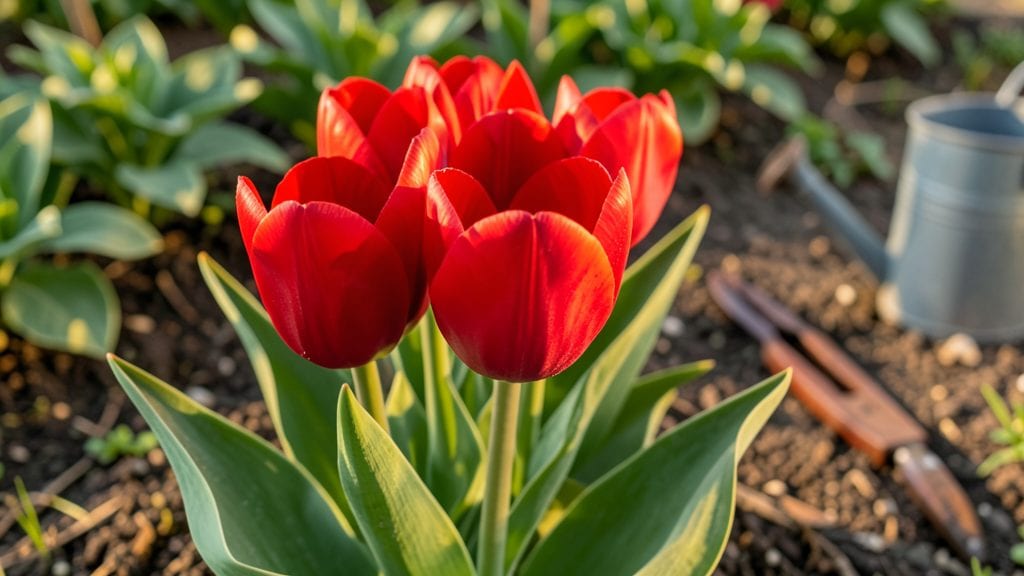
My garden’s squirrel control system starts with a few simple but clever tricks that actually work—no traps, no harm, just frustrated squirrels looking for easier snacks elsewhere. 🌿 Last spring, I lost an entire bag of sunflower seeds to a determined gray squirrel before I figured out these methods, and now my tomatoes, peppers, and even my hanging baskets stay untouched.
The key is combining physical barriers with taste-based deterrents. Chicken wire wrapped around raised beds keeps them from digging, while a mix of hot pepper flakes and garlic powder sprayed lightly on plants makes them think twice.
I’ve also had success with reflective tape—squirrels hate the flashing, and it’s completely harmless. The best part? These methods work year-round, whether they’re after seeds, fruit, or just chewing on stems for fun.
You’ll see results within a week: fewer chewed leaves, no vanished seed packets, and squirrels moving on to the neighbor’s yard instead. The setup takes less than an hour and costs almost nothing—just materials you might already have around the house.
Plus, your plants will thrive without the stress of constant squirrel raids.
Works for vegetable gardens, flower beds, and even patio containers. The secret is consistency—once they learn your garden isn’t a buffet, they’ll give up. Let’s get those critters out of your space the right way.
📚 In This Guide
- What you need
- Instructions
- Tips and common mistakes
- Wrapping up and next steps
What you need
- ● Repellent Sprays: 1–2 bottles of peppermint oil spray (100% pure, 1 oz each) – squirrels hate the scent!
- ○ 1 bottle of hot pepper wax (8 oz) for DIY sprays (optional but potent).
- ● Physical Barriers: 1–2 rolls of fine mesh netting (¼-inch or smaller, 10–20 ft long) for vulnerable plants.
- ● Sturdy bamboo stakes (6–12 inches long, 3–5 per plant) to secure netting.
- ● Motion-Activated Deterrents: 1–2 solar-powered motion-activated sprinklers (e.g., Orbit Enforcer, 12V).
- ● 1 USB-powered LED flashlight (bright white, 1000+ lumens) for nighttime scares.
- ● Natural Repellents: Fresh garlic cloves (10–15) or coffee grounds (1–2 cups) for DIY sprinkles.
- ● 1–2 citrus peels (orange/lemon) or used coffee filters (scattered around the garden).
- ○ Safety Gear (Optional but Recommended): Gloves (nitrile or rubber) for handling sprays/repellents.
- ● Eye protection (safety goggles) if using strong sprays.
- ● 1–2 ultrasonic repellent devices (battery-powered, like the Neatmaster).
- ● Decoy predators (plastic owls or snakes—move them weekly to keep squirrels guessing!).
- ● 1 roll of landscape fabric (for mulching areas squirrels frequent).
- ● Spray bottle (8 oz) for DIY repellent mixes (water + peppermint oil + dish soap).
Step-by-Step instructions for creating a squirrel-proof garden
Here’s how to build a garden squirrels will avoid—without trapping or harming them.
🪴 Step 1: Choose the Right Plant Placement
Squirrels dig up bulbs and chew young plants, so I start by placing high-value crops in hard-to-reach spots. Move tulips, daffodils, and other bulbs to the center of borders where squirrels can’t easily jump or dig. Raised beds with 4-inch-high edges also deter them from climbing in.
For vegetables, I plant squash, beans, and corn at the garden’s perimeter—squirrels prefer these over delicate greens. They’ll snack on the outer rows first, leaving your lettuce and radishes untouched. If you have small trees or shrubs, wrap the trunks with 1-inch hardware cloth buried 6 inches deep to block burrowing.
☀️ Step 2: Use Physical Barriers Where Needed
The key to humane squirrel control is blocking access without trapping. For bulbs and perennials, I cover them with 1-inch mesh hardware cloth (not chicken wire—squirrels can chew through it) before planting. Secure it with stakes or rocks so it doesn’t blow away.
For seedlings and young plants, I use individual plant collars made from PVC pipes cut in half and buried 2 inches deep around each stem. Squirrels can’t dig through the plastic, but the plants can still grow. If you have fruit trees, wrap the trunks with tree guards or metal flashing to prevent gnawing.
💧 Step 3: Introduce Natural Deterrents
Squirrels hate strong scents and textures that irritate their paws or noses. I sprinkle coarse sand or diatomaceous earth around bulbs and seedlings—it’s gritty enough to discourage digging but harmless to plants. Reapply after rain.
For a long-term solution, I plant deterrent herbs like lavender, rosemary, and mint near problem areas. Squirrels avoid these because of their scent. A few alliums or garlic chives mixed into flower beds also work—squirrels dislike the smell.
⏰ Step 4: Apply Motion-Activated Deterrents
Squirrels are skittish creatures, and sudden movements send them running. I use motion-activated sprinklers (set to light spray) near garden edges. The noise and water scare them off without harm. Place them 12-18 inches above ground so squirrels trigger them when they jump.
If sprinklers aren’t an option, wind chimes or old CDs hung from strings create enough noise to keep them away. Move them occasionally so squirrels don’t get used to them. I’ve seen squirrels avoid areas with even subtle movement—they’re more cautious than you’d think.
🌿 Step 5: Maintain a Clean, Squirrel-Unfriendly Garden
Squirrels love easy meals, so I remove fallen fruit, dropped nuts, and uneaten birdseed daily. Store bird feeders at least 10 feet from garden beds—squirrels will still try to raid them, but they’re less likely to jump into your veggies if their primary food source is farther away.
If squirrels start digging in one spot, I relocate their interest by placing a distraction feeder (a platform with peanuts or sunflower seeds) 20 feet away from the garden. They’ll focus on that instead. Consistency is key—once they learn a garden is off-limits, they’ll move on.
Tips & tricks for a squirrel-proof garden
A few strategic tweaks can make all the difference when keeping squirrels out of your garden without harming them.
Barrier Placement Matters: When using 1-inch mesh hardware cloth in Step 2, bury it at least 6 inches deep around bulbs and perennials. Squirrels are excellent diggers—they can tunnel under flimsy barriers. For tree trunks, wrap the hardware cloth from the ground up for at least 2 feet. This prevents them from reaching tender bark or burrowing near the base. I learned this the hard way after watching a squirrel dig under a loosely buried barrier and feast on my tulip bulbs overnight.
Herb Placement Strategy: In Step 3, plant your deterrent herbs like lavender, rosemary, and mint in clusters near problem areas rather than scattering them. Squirrels are less likely to venture through concentrated scents. I've found that placing these herbs in a 3-foot diameter circle around high-value plants creates an invisible barrier they'll avoid. The key is consistency—don't give them any gaps to slip through.
Motion Deterrent Placement: For Step 4's motion-activated sprinklers, position them at garden edges where squirrels typically enter. Place them 12-18 inches above ground level so they trigger when squirrels jump or approach. I've noticed squirrels become conditioned to predictable movements, so rotate sprinkler locations every 2-3 weeks to maintain effectiveness. If using wind chimes, hang them at varying heights to create unpredictable noise patterns.
Distraction Feeder Technique: When setting up your 20-foot-away distraction feeder in Step 5, place it near dense shrubbery or trees where squirrels already spend time. This makes the transition to their new food source more natural. I've seen squirrels completely abandon garden areas when given a reliable alternative nearby. The secret is consistency—keep the feeder stocked daily so they don't return to your garden out of desperation.
Pro Tips for Squirrel Control Garden
- A few strategic tweaks can make all the difference when keeping squirrels out of your garden without harming them.
- Barrier Placement Matters: When using 1-inch mesh hardware cloth in Step 2, bury it at least 6 inches deep around bulbs and perennials.
- Herb Placement Strategy: In Step 3, plant your deterrent herbs like lavender, rosemary, and mint in clusters near problem areas rather than scattering them.
Frequently asked questions
Got questions about keeping squirrels out of your garden the humane way? You’re not alone! Here are some of the most common concerns—and straightforward answers to help you take action without harming these busy little critters.
What’s the best time of year to start squirrel-proofing my garden?
Spring is ideal! Squirrels become most active as they forage for food to prepare for winter. Install deterrents like spiky collars or motion-activated sprinklers in early spring before they dig or chew. If you’re dealing with an existing issue, act now—they won’t wait for summer!
Will humane deterrents really work, or are squirrels too clever for them?
Humane methods do work—but consistency is key! Squirrels are smart, so mix strategies: use taste deterrents (like hot pepper spray) and physical barriers (like wire mesh). Rotate tactics every few weeks to stay one step ahead. Patience pays off!
Can I use peppermint oil or other scents to keep squirrels away?
Yes! Squirrels hate strong scents like peppermint, citronella, or garlic. Soak cotton balls in peppermint oil and place them near entry points or plant beds. Reapply every 2–3 days (rain washes it away!). Pro tip: Avoid over-saturating plants—dilute the oil first to protect foliage.
How do I squirrel-proof my bird feeders without starving them?
Use squirrel-proof feeders with weight-sensitive perches or baffles. Place feeders 10+ feet from trees and hang them on pole-mounted brackets (squirrels can’t climb smooth surfaces). For ground feeders, opt for smaller, enclosed designs with tiny openings.
What if squirrels keep coming back after I’ve tried everything?
If they’re persistent, reassess your approach. Are they digging near your compost pile? Relocate it or cover it with hardware cloth. Check for hidden entry points (like gaps in fences) and seal them. Sometimes, a professional humane trap-and-relocate service (legal in many areas) can help—just research local regulations first!
Still stumped? Drop your specific challenge in the comments—we’re happy to brainstorm solutions!
Wrapping up and next steps
Keeping squirrels out of your garden doesn’t have to mean harming them—with the right humane deterrents, you can protect your plants while respecting wildlife! 🌱 From spicy pepper sprays to repurposed materials, these methods are effective, eco-friendly, and kind to critters.
The key is consistency and creativity in combining physical barriers, natural repellents, and habitat adjustments.
Ready to reclaim your garden? Start by picking 2-3 methods from this guide and test them in one section first. Monitor results, tweak as needed, and soon, your yard will be a squirrel-free haven—without the guilt! 🎉