Pests
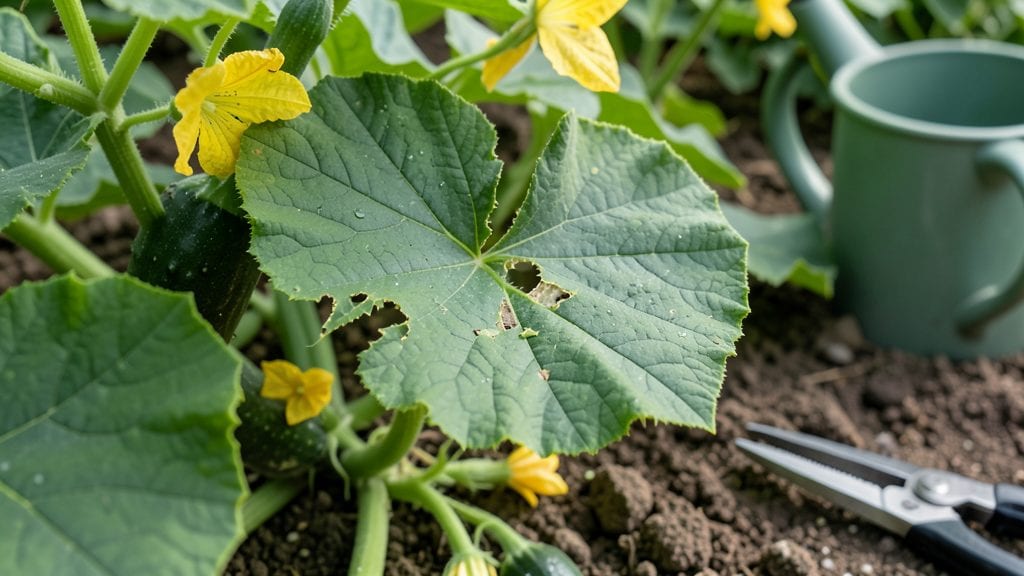
The squirrel damage in my garden this spring left my tulips nearly vanished before I figured out how to outsmart them without harming them. 🌱 These clever critters dig up bulbs, strip fruit, and even chew through young plants—leaving you with a mess and a frustrated gardener.
The good news? You don’t need traps or cruelty to keep them away. With the right barriers, repellents, and a few smart tricks, you can protect your garden while sharing the space peacefully.
Squirrels target gardens because they’re easy meals—especially when natural food sources run low. They go for bulbs like tulips and daffodils, fresh seeds, and ripe fruit like strawberries or apples. The key is making your garden less appealing than the woods or your neighbor’s yard.
Start with simple fixes like chicken wire over bulbs or motion-activated sprinklers that startle them without hurting them. Even a few drops of hot pepper sauce on plants can deter them for days.
By combining physical barriers with natural repellents, you’ll see a noticeable difference in just a few weeks. Your tulips will bloom undisturbed, fruit will stay on the tree longer, and new seedlings won’t become squirrel snacks.
The best part? These methods work year-round, from spring planting to winter storage. Let’s get your garden back—and keep those bushy-tailed bandits at bay the right way.
Whether you’re dealing with a single troublemaker or a whole squirrel squad, these solutions adapt to any garden size or layout. No more waking up to dug-up soil or half-eaten harvests. Here’s how to reclaim your garden—naturally.
The Real Reasons Squirrels Raid Gardens
Squirrels may look like harmless, bushy-tailed critters, but when they invade your garden, they’re not just playing—they’re following instinct, survival needs, and even learned behaviors. Understanding why they target your plants is the first step to stopping them without harm. Here’s the science behind their garden raids:
Squirrels are obligate seed predators, meaning their diet must include nuts, seeds, and plant matter to survive. Their brains are wired to: - Cache and retrieve food – Squirrels bury seeds (like acorns, sunflower seeds, or even bulbs) to eat later, often forgetting some.
This habit explains why you might find half-dug-up flower beds or scattered seeds. - Prefer high-energy snacks – They target fleshy fruits, vegetables, and young shoots (like tomatoes, corn, and lettuce) because these are packed with sugars and nutrients.
A single squirrel can consume up to 100 acorns per day in fall alone! - Dig with precision – Their strong claws and sharp teeth make short work of mulch, soil, and even plastic pots to reach buried treasures.
Actionable insight: If your garden has bulbs (tulips, daffodils), seed packets, or soft-skinned fruits, squirrels see it as an all-you-can-eat buffet.
Squirrels are opportunistic feeders, and humans accidentally train them to raid gardens by: - Leaving pet food outside – Birdseed, dog/kitty kibble, or even fallen fruit from trees signals an easy meal.
Once they associate your yard with food, they’ll expand their search to plants. - Planting squirrel favorites – Gardens with sunflowers, corn, peas, or berry bushes are high-risk.
Squirrels can strip a sunflower head in minutes for the seeds. - Poor waste disposal – Overflows in trash cans or compost piles (especially with fruit peels or nutshells) act like a neon "EAT HERE" sign.
Actionable insight: Secure trash cans with bungee cords, use squirrel-proof bird feeders, and avoid planting easy-access snacks near your home.
Squirrels aren’t just hungry—they’re explorers and protectors of their turf.
They’ll: - Mark and defend their territory – If they find a reliable food source (like your garden), they’ll patrol and chase off rivals, including other squirrels or even birds. - Investigate new smells – A fresh mulch pile, compost heap, or newly planted seeds triggers their curiosity.
They’ll sniff, dig, and sample—often destroying more than they eat. - Learn from peers – Squirrels communicate food locations via vocalizations and body language. One successful raid can mean a squirrel army descending on your garden in days.
Actionable insight: Remove food sources immediately—don’t let spilled seeds or fallen fruit linger. And if you see one squirrel digging, assume more are on the way.
Squirrel damage isn’t random—it spikes during critical times:
| Season | Why They Raid | High-Risk Plants |
|---|---|---|
| Late Summer | Preparing for winter; bulking up fat | Sunflowers, corn, tomatoes |
| Fall | Nut-gathering frenzy (acorns, walnuts) | Oak trees, pecans, buried bulbs |
| Spring | Emerging greens are protein-rich | Lettuce, peas, sprouting bulbs |
| Winter | Desperation when natural food is scarce | Any uncovered seeds or compost |
Actionable insight: Fall is the worst season—take preventive steps (like hardware cloth barriers) before squirrels start caching.
Squirrels are smart—they adapt to deterrents in as little as one exposure.
If you’ve tried: - Spray repellents → They’ll avoid treated areas temporarily but return when the scent fades. - Ultrasonic devices → They’ll ignore them after realizing they’re harmless. - Chicken wire → They’ll learn to dig around it.
Actionable insight: Combine multiple deterrents (physical + scent + noise) and rotate methods to stay ahead of their learning curve.
Key takeaway: Squirrels don’t damage gardens out of malice—they’re following hardwired survival strategies. The good news? Outsmarting them is possible when you understand their motivations. Next, we’ll cover humane, science-backed ways to protect your plants without harming these clever critters. 🌱🚫🐿️
Stop Squirrels Without Harm
Squirrels may seem like harmless garden visitors, but when they dig up bulbs, chew on plants, or strip bark, they can turn your hard work into frustration. The good news? You can keep them away without cruelty—using smart, humane strategies tailored to their behavior.
Below, we’ll match common squirrel damage causes to proven fixes, plus long-term prevention tips to keep your garden safe.
Squirrels love burying nuts and often mistake your tulips, daffodils, or hyacinths for snack stashes. Their digging leaves messy holes and stunted blooms.
Fix It:
- 🔥 Scatter Fake Acorns – Place plastic or resin acorns (available at garden stores) around planting beds. Squirrels will bury these instead of your real bulbs.
- 🍳 Use Repellent Sprays – Mix hot pepper wax (1 tbsp cayenne + 1 cup vegetable oil) or garlic spray (blended garlic + water + dish soap) and spray lightly on soil. Reapply after rain.
- 👨🍳 Build a Physical Barrier – Cover bulbs with hardware cloth (¼-inch mesh) before planting, then mound soil over it. For existing plants, wrap the base with chicken wire secured with stakes.
💡 Pro Tip: Plant daffodils or alliums—squirrels dislike their strong scent and tend to avoid them!
Young trees, rose bushes, and tender perennials are prime targets. Squirrels gnaw for fun, to mark territory, or to access sap.
Fix It:
- 🥘 Wrap Trunks with Mesh – Use tree guards or wire mesh (1/4-inch) wrapped around trunks and secured with zip ties. Squirrels can’t chew through it!
- 🔪 Apply Taste Deterrents – Rub pet-safe bitter apple spray or coffee grounds on leaves and bark. The strong smell repels them.
- ⏰ Set Up Decoys – Hang fake owls or snakes (move them weekly to keep squirrels guessing). Real predators = instant deterrent.
🌡️ Quick Fix: Sprinkle cayenne pepper around the base of plants—squirrels hate the spicy kick!
Vegetable gardens, fruit trees, and even birdseed feeders attract squirrels like a buffet. They’ll strip tomatoes, peck corn, and raid ripe berries.
Fix It:
- 🎯 Use Netting – Drape fine mesh netting over vulnerable crops (like strawberries or blueberries) to block access.
- 💪 Move the Buffet – Place bird feeders away from gardens (at least 15 feet) and opt for squirrel-proof feeders with metal cages.
- 🌿 Plant Squirrel-Resistant Alternatives – Swap vulnerable plants for snapdragons, marigolds, or lavender—squirrels tend to ignore these.
✨ Bonus: Sprinkle used coffee grounds around veggie beds—the strong smell masks plant scents that attract squirrels.
Squirrels may build nests in sheds, compost bins, or even under decks, turning your storage into a cozy home.
Fix It:
- 🔧 Seal Entry Points – Check for gaps (even 2 inches wide!) and seal with steel wool + caulk or hardware cloth.
- 🌿 Remove Attractants – Keep bird feeders, pet food, or fallen fruit far from structures.
- 🚫 Avoid Traps – Instead of live traps (which can stress squirrels), try ultrasonic repellents (battery-powered devices that emit high-frequency sounds).
💡 Pro Tip: Place mothballs (naphthalene) in mesh bags near entry points—squirrels dislike the smell, but use sparingly and keep away from pets/kids.
Stop squirrels before they start with these low-effort habits: ✅ Mulch strategically – Use gravel or pine straw (not wood chips) around plants squirrels target. ✅ Keep the area tidy – Remove fallen nuts, seeds, and overripe fruit promptly. ✅ Water plants at dusk – Squirrels are nocturnal; wet soil may deter them from digging. ✅ Encourage natural predators – Install a birdhouse for owls or hawks—their presence alone can keep squirrels away.
Final Thought: Squirrels are just looking for food and shelter—outsmart them with their own habits, not cruelty. Test a few methods, observe which works best in your garden, and enjoy a squirrel-free (but still lively!) outdoor space!
Frequently asked questions
Why do squirrels suddenly start digging up my garden?
Squirrels dig when they're searching for food to bury for later, especially during fall and spring. They target bulbs like tulips because they mistake them for nuts. If you notice fresh digging, check for scattered seeds or fallen fruit nearby—these attract them like a buffet.
Will fake owls or snakes really keep squirrels away?
Fake predators can work, but squirrels are smart—they'll lose fear if the decoy stays in one spot. Move them weekly and combine with other deterrents like hardware cloth or pepper sprays for better results. Think of it as a temporary distraction, not a permanent fix.
Can I use coffee grounds to protect my plants from squirrels?
Yes! Sprinkle used coffee grounds around vulnerable plants—the strong smell masks plant scents that attract squirrels. Reapply after rain or watering. For extra protection, mix with cayenne pepper (1:1 ratio) to create a spicy barrier they'll avoid.
What's the best time of year to prevent squirrel damage?
Start in early fall before squirrels begin caching food for winter. Install barriers like hardware cloth over bulbs, secure trash cans, and remove fallen nuts/seeds. Spring is also critical—squirrels dig up newly planted bulbs as they emerge. Plan ahead!
Are there plants squirrels naturally avoid?
Yes! Squirrels dislike strong-smelling plants like daffodils, alliums, marigolds, and lavender. Interplant these among vulnerable crops to create a natural deterrent. Even snakes or onions (the plants, not the animals!) can help confuse them.