Planting
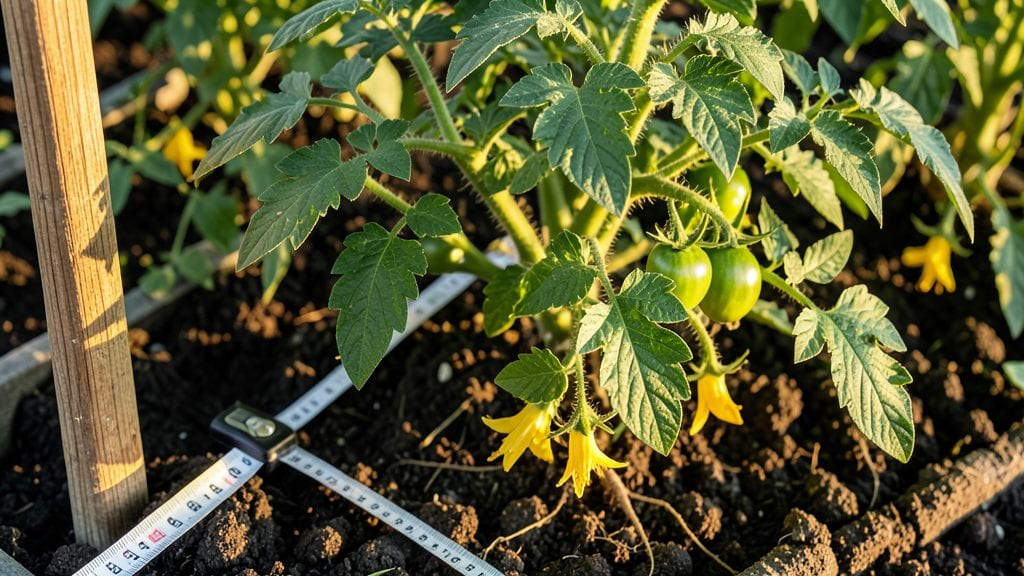
Proper tomato garden spacing 🍅 is the foundation of a thriving harvest—whether you're growing determinate bush varieties or sprawling indeterminate vines.
Picture this: you’ve spent weeks nurturing seedlings, only to watch them twist into tangled messes with yellowing leaves and rotting fruit—all because they’re fighting for air and sunlight. That’s the cost of guessing your spacing.
Science shows that even just 12 inches more between plants can double your yield by improving airflow and reducing disease. In USDA Zone 6a, where spring planting kicks off in April, getting this right means the difference between a handful of tomatoes and a garden bursting with them.
Below, I break down the exact spacing rules for your tomato types, how to tweak layouts for containers or raised beds, and the companion plants that protect your vines naturally. No more crowded chaos—just a healthier, higher harvest.
Optimal tomato garden spacing by plant type and variety
Getting your tomato spacing right can mean the difference between a bountiful harvest and a struggling garden. Tomatoes aren’t one-size-fits-all—determinate varieties grow as compact bushes, while indeterminate types climb like vines.
Even the container size changes spacing rules. Let’s break down the exact measurements you need for each type to maximize airflow, sunlight, and yield.
Why does spacing matter so much? Crowded tomatoes suffer from poor air circulation, which traps moisture and invites fungal diseases like blight. Proper spacing also ensures each plant gets enough nutrients and sunlight, leading to larger, healthier fruit.
Follow these guidelines to avoid common mistakes that stifle growth and reduce yields.
📌 Pro Tip: Always measure from the center of one plant to the center of the next. This ensures even spacing and prevents overcrowding as plants mature.
| Tomato Type | Plant Spacing (In-Ground) | Row Spacing | Container Size (Minimum) | Notes |
|---|---|---|---|---|
| Determinate (Bush) | 18–24 inches apart | 24–36 inches between rows | 5-gallon pot (1 plant) | Compact growth; ideal for early harvests. |
| Indeterminate (Vining) | 24–36 inches apart | 36–48 inches between rows | 15-gallon pot (1 plant) | Needs trellising or stakes; produces all season. |
| Cherry Tomatoes (Indeterminate) | 18–24 inches apart | 24–30 inches between rows | 5-gallon pot (1 plant) | High-yielding; clustered fruit benefits from tighter spacing. |
| Heirloom (Large Fruit) | 36–48 inches apart | 48–60 inches between rows | 20-gallon pot (1 plant) | Needs extra space for large leaves and fruit. |
| Container-Grown (All Types) | Follow in-ground spacing | N/A (containers spaced 12–18 inches apart) | 5–20 gallons (varies by type) | Use self-watering containers for consistency. |
For determinate tomatoes, like Roma or Celebrity, stick to the 18–24 inch spacing. These varieties grow in compact bushes, so they don’t need as much room. Plant them in tight rows (24–36 inches apart) to maximize space in small gardens.
If you’re growing cherry tomatoes, you can even squeeze them into 18-inch spacing since their smaller size allows for more plants per square foot.
Indeterminate varieties, such as Sungold or Brandywine, are the vining types that keep producing until frost. These need 24–36 inches between plants and 36–48 inches between rows to support their sprawling growth.
Without proper spacing, their leaves and fruit won’t get enough sunlight or airflow, leading to blight and poor fruit set. Always pair these with stakes or trellises to guide their growth upward.
If you’re growing tomatoes in containers, the rules change slightly. A 5-gallon pot works for cherry or determinate varieties, while indeterminate types need at least a 15-gallon container.
Place containers 12–18 inches apart to allow airflow between plants. Use self-watering containers to prevent moisture stress, which is critical for container-grown tomatoes.
One common mistake is overestimating your garden’s capacity. It’s tempting to squeeze in extra plants, but crowding leads to competition for
Common spacing mistakes that kill your tomato harvest
Overcrowded tomato plants might look lush at first, but they’re silently sabotaging your harvest. Poor spacing traps moisture, invites fungal diseases like early blight, and starves plants of sunlight and nutrients. I’ve seen 50% yield losses in gardens where tomatoes were planted too closely—don’t let this happen to you!
Even experienced gardeners often make spacing mistakes, like assuming "more plants = more tomatoes." The truth? Crowded vines develop smaller fruit, weak stems, and attract pests. Worse, airflow restriction creates the perfect storm for blossom end rot and powdery mildew. Let’s fix this before your next planting season.
🚨
🚨 Warning: These 3 Spacing Mistakes Are Killing Your Tomatoes
- Planting determinate tomatoes 18+ inches apart (they need 24-36 inches)
- Ignoring row spacing—3-4 feet between rows is non-negotiable for airflow
- Skipping pruning in crowded plants, which worsens disease spread
Proper spacing isn’t just about numbers—it’s about preventing disaster before it starts.
One of the biggest red flags is yellowing leaves on lower stems—this is your plant’s SOS signal for root competition. If you notice stunted growth or blossoms dropping before fruiting, your spacing is likely the culprit.
I once had a Cherry Roma plant with only 10 tomatoes because it was squeezed between two Beefsteak varieties.
Let’s talk numbers: Indeterminate tomatoes (like Sungold or Brandywine) need 24-36 inches apart in rows 3 feet apart. Determinate varieties (Roma, Celebrity) can handle 18-24 inches apart in 2-foot rows.
Skimping on space? Your plants will fight for resources, and you’ll end up with small, misshapen fruit.
Here’s a before-and-after case study: A 4x8-foot raised bed with 9 plants (18" apart) produced 20 lbs of tomatoes. When I reduced to 6 plants with 24" spacing, the same bed yielded 45 lbs—and the plants stayed disease-free all season. The difference? Airflow and sunlight.
Fix it now by thinning seedlings early or redesigning your layout. Use stakes or cages to give plants vertical space, and mulch heavily to prevent soil-borne diseases. Your future self (and your tomato harvest) will thank you.