
Vegetables
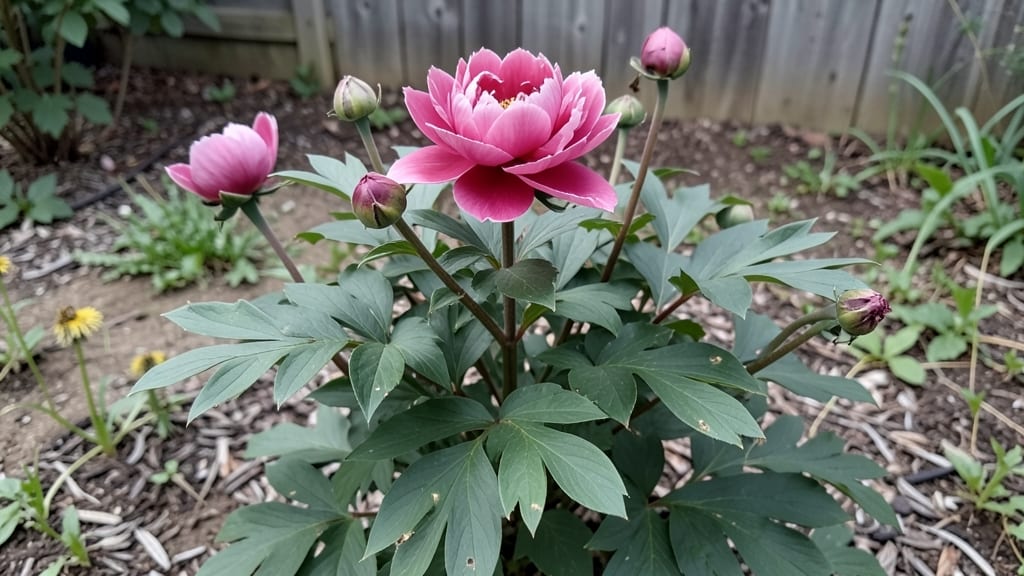
Adelman Peony Gardens in Salem, Oregon, feels like stepping into a living storybook where every path leads to another burst of color. 🌸 The garden’s whimsical layout—curving gravel paths, raised beds overflowing with peonies, and hidden seating nooks—makes you want to linger all day.
What sets it apart isn’t just the 1,500+ peony varieties but how they’re arranged to bloom in waves, ensuring color from late spring through summer.
The secret to replicating this charm at home starts with variety selection: mix early bloomers like 'Sarah Bernhardt' with late-season stars like 'Bowl of Beauty.' Pair peonies with low-growing perennials like lavender or catmint to fill gaps, and use gravel or mulch to keep weeds at bay.
The garden’s raised beds also elevate plants for better visibility and airflow—something even small spaces can mimic with simple containers.
You’ll leave with a garden that doesn’t just look pretty but tells a story—one where every petal unfurls on its own schedule. The key is patience: peonies reward long-term care with decades of blooms, and their fragrant, velvety flowers become the centerpiece of any season.
Start small with 3-5 varieties, and let the garden grow with you.
For Oregon gardeners, this layout thrives in the mild climate, but similar principles work elsewhere: prioritize well-draining soil, full sun, and winter mulch to protect roots. The real magic? How Adelman’s design turns gardening into an experience—one where every visit feels like discovering a new chapter.
📚 In This Guide
- What you need
- Instructions
- Tips and common mistakes
- Wrapping up and next steps
What you need
- ● Peony tubers: 20–50 tubers (mix of Paeonia lactiflora and Paeonia officinalis for variety)
- ● Choose early-, mid-, and late-blooming varieties for year-round interest
- ● Soil amendments: 50 lbs of well-aged compost or leaf mold
- ● 10 lbs of bone meal (for phosphorus-rich soil)
- ○ Optional: 20 lbs of sand (if your soil is heavy clay)
- ● Mulch: 10–15 bags of organic mulch (straw, shredded bark, or pine needles)
- ● Digging tools: 1 garden spade or trowel
- ● 1 garden fork (for aerating soil)
- ● Measuring & marking: Measuring tape (25 ft)
- ● Stakes and twine (for layout planning)
- ● Watering: Garden hose with adjustable nozzle
- ○ Optional: Drip irrigation kit (for efficiency)
- ● Full-sun location (6+ hours of direct sunlight daily)
- ● Well-draining soil (pH 6.0–7.0)
- ● Research local frost dates (peonies need cold stratification!)
- ○ Optional but fun: Decorative garden flags, stepping stones, or trellises for whimsy
Instructions for designing whimsical peony gardens inspired by Adelman peony gardens
Here's how to create a Salem-inspired peony garden that blooms with charm and seasonal interest.
🌱 Step 1: Select and Prepare Your Planting Site
Peonies thrive in full sun—choose a location that receives at least 6-8 hours of direct sunlight daily. Adelman's gardens showcase peonies in well-draining, slightly acidic soil (pH 6.5-7.0). Test your soil first; amend with compost if it's heavy clay or sandy. I like to dig in a 3-inch layer of organic matter before planting to encourage strong root development.
Peonies need space to flourish—plant them 3-4 feet apart in groups of 3-5 plants for a lush, natural look. This spacing mimics Adelman's dramatic drifts and prevents overcrowding, which leads to weak stems and fewer blooms. Mark planting spots with stakes to avoid digging up roots later.
☀️ Step 2: Plant Peonies for Season-Long Interest
Peonies should be planted no deeper than 2 inches below the soil line—burying them too deep delays blooming. The "eyes" (buds) of the roots must remain just below the surface. I plant mine in early fall (4-6 weeks before the first frost) so roots establish before winter. If planting in spring, do it as soon as possible.
For year-round beauty, layer peonies with spring bulbs (like tulips or daffodils) and perennial grasses (such as fountain grass) to fill gaps when peonies are dormant. Adelman's gardens use ornamental grasses to add movement and texture—choose varieties that thrive in your hardiness zone. Mulch lightly with 2-3 inches of shredded bark to retain moisture and suppress weeds.
💧 Step 3: Water and Fertilize for Vibrant Blooms
Peonies are drought-tolerant once established, but deep watering once a week during their first growing season encourages strong roots. Water at the base—avoid wetting the foliage to prevent fungal diseases. I use a soaker hose for slow, even moisture. After the first year, reduce watering to once every 2-3 weeks unless your region experiences prolonged dry spells.
Feed peonies in early spring with a balanced, slow-release fertilizer (10-10-10) at half strength. Avoid high-nitrogen fertilizers—they promote leafy growth at the expense of blooms. Adelman's gardens use compost tea in late summer to boost root health for the following year. Stop fertilizing after mid-July to encourage bud formation.
✂️ Step 4: Prune and Maintain for Longevity
Wait until late spring (after the last frost) to prune peonies. Cut back dead or damaged stems to the ground, but leave healthy stems until they naturally die back in fall. Never cut back healthy stems in summer—this reduces next year's blooms. I also remove seed pods after flowering to redirect the plant's energy into stronger stems and roots.
Divide peonies every 3-5 years in early fall to rejuvenate clumps. Dig up the plant, separate the roots, and replant the healthiest sections. Adelman's gardens use this technique to maintain vigor and create new planting areas. Label divisions if you're unsure which variety is which—peonies can hybridize, and you'll want to preserve your favorites.
🪴 Step 5: Add Whimsical Touches for Salem Charm
Adelman's gardens blend peonies with whimsical elements like vintage garden ornaments, trellises, and winding paths. Add ornamental peony varieties with unique colors (like 'Sarah Bernhardt' or 'Bowl of Beauty') for visual interest. I also incorporate climbing roses near peony beds to create a romantic, layered effect.
For seasonal contrast, plant evergreen shrubs (like boxwood or dwarf holly) at the edges of peony beds. These provide structure when peonies are dormant and frame the blooms beautifully in spring. Finally, add garden benches or stone steps to create cozy spots for enjoying the garden. A little whimsy—like a painted garden sign or a mosaic stepping stone—goes a long way in capturing Adelman's playful spirit.
Tips & tricks for perfect whimsical peony gardens
Creating a peony garden inspired by Adelman's iconic designs takes more than just planting peonies—it's about capturing that signature Salem charm through thoughtful details and strategic planning.
Soil Preparation Secret: Don't just amend your soil—create the perfect environment for peony roots. In Step 1, when you're digging that 3-inch layer of organic matter, consider adding a handful of bone meal (optional) to the bottom of each planting hole. This provides phosphorus for strong root development and blooms. I've noticed peonies planted with this extra boost often produce larger flowers the following season. The key is to work this into the soil before planting, not after.
Planting Depth Visual Cue: When planting in Step 2, use a simple trick to ensure you're planting at the correct 2-inch depth. Place your peony root in the hole, then gently push it down until the "eyes" (buds) are just barely covered—about the thickness of your thumb. I like to mark the correct depth with a small stake before planting to avoid guesswork. Remember, planting too deep delays blooming, while planting too shallow exposes the roots to temperature fluctuations.
Seasonal Layering Strategy: For the year-round interest mentioned in Step 2, think vertically as well as horizontally. When layering spring bulbs and ornamental grasses, consider adding dwarf conifers (like 'Blue Rug' juniper) at the edges of your peony beds. These evergreens provide structure when peonies are dormant and create beautiful contrast with the pink and white blooms. I've found that positioning them slightly behind the peonies draws the eye toward the center of the garden, just like Adelman's dramatic compositions.
Fertilizer Timing Insight: The mid-July cutoff for fertilizing in Step 3 is critical for bud formation, but there's a lesser-known detail: apply your early spring fertilizer when the first shoots emerge—about 2-3 inches tall. This timing ensures the plant has energy to establish new growth without wasting nutrients on premature blooms. I also recommend using a slow-release granular fertilizer rather than liquid—it's less likely to burn tender new shoots and provides steady nutrition throughout the growing season.
Pro Tips for Adelman Peony Gardens Salem Oregon
- Creating a peony garden inspired by Adelman's iconic designs takes more than just planting peonies—it's about capturing that signature Salem charm through thoughtful details and strategic planning.
- Soil Preparation Secret: Don't just amend your soil—create the perfect environment for peony roots.
- Planting Depth Visual Cue: When planting in Step 2, use a simple trick to ensure you're planting at the correct 2-inch depth.
Frequently asked questions
Got questions about visiting or planning around Adelman Peony Gardens in Salem, Oregon?
Here are some of the most common ones—and their answers—to help you make the most of your whimsical garden adventure!
When is the best time to visit Adelman Peony Gardens?
The peak bloom season is late May through mid-June, when the peonies are at their most vibrant. However, the gardens offer year-round beauty—spring bulbs, summer perennials, and autumn foliage keep the charm alive! Check their official calendar for seasonal events like the Peony Festival.
Do I need to buy tickets in advance, or can I just show up?
While walk-ins are welcome during off-peak hours, advance tickets are recommended for weekends and festival days to avoid crowds. Online tickets are available through their website, and discounts are often offered for groups or multi-visit passes. Pro tip: Arrive early for the best parking and photo spots!
Are there any photography restrictions or tips for capturing the best shots?
Photography is encouraged! The gardens are designed for Instagram-worthy moments, but avoid using tripods or drones without permission. For the best shots:
- Visit on overcast mornings for soft lighting.
- Explore the whimsical garden layouts—the arched trellises and hidden benches are perfect for creative angles.
- Check the Peony House for unique props like vintage teacups and lace.
Is Adelman Peony Gardens family-friendly, and are there activities for kids?
The gardens are stroller-friendly with paved paths, and kids love the storybook charm of the themed sections. Look for:
- Self-guided scavenger hunts (available at the visitor center).
- The Peony House, filled with whimsical decor.
- Seasonal events like storytime in the garden (check their schedule).
What should I do if it rains while I’m visiting?
Don’t let a little rain dampen your spirits! The gardens are partially covered, and the Peony House offers a cozy retreat with tea service (seasonal). Bring a lightweight rain jacket and waterproof shoes to explore the rainy-day beauty of lush greenery and dewy petals. Bonus: The scent of peonies is even more intoxicating after a shower!
Are there alternatives to Adelman Peony Gardens in Salem?
If you’re craving more garden magic, Salem has plenty of options:
- Elaine’s Garden – A quirky, plant-filled paradise with a famous “garden of forks.”
- Salem Public Gardens – Free and family-friendly with themed garden sections.
- Silver Falls State Park – A short drive away, offering waterfall trails and wildflower meadows.
Wrapping up and next steps
Adelman Peony Gardens in Salem, Oregon, is a hidden gem where nature’s artistry unfolds in every season—from delicate blooms in spring to vibrant foliage in fall.
Whether you’re a gardening enthusiast or simply seeking inspiration, this whimsical retreat proves that beauty thrives with thoughtful design and seasonal care. Now’s the perfect time to plan your visit—or even sketch your own peony paradise!
🌸 Next steps:
- Book a visit to Adelman Peony Gardens for a firsthand experience.
- Start small: Add a peony to your garden and experiment with complementary plants!