Vegetables
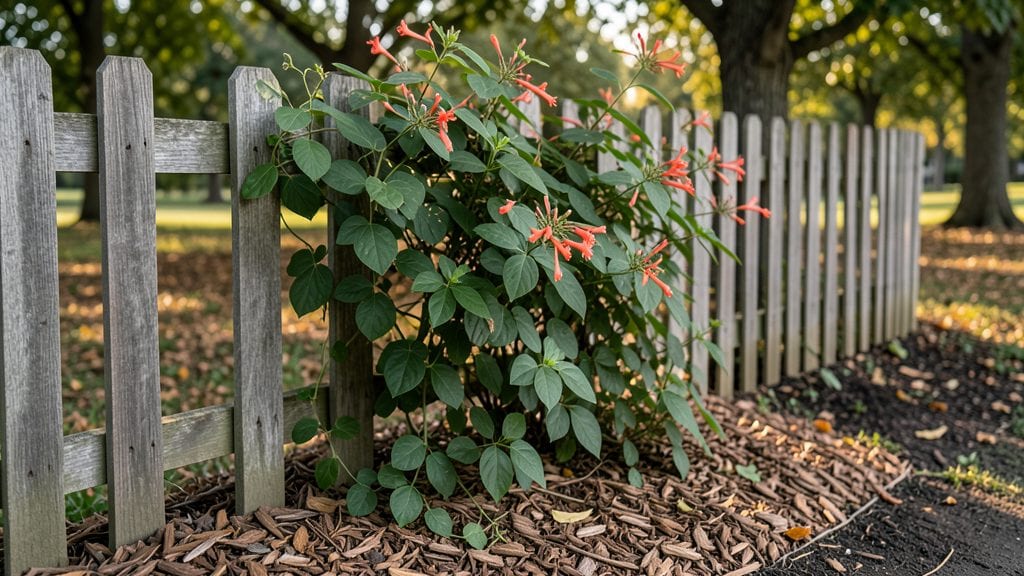
A fenced-in garden starts with a living privacy screen that grows faster than you can say "no more nosy neighbors." I built mine last spring using a mix of fast-growing vines and sturdy fencing, and within just 8 weeks, the space felt completely transformed—private, lush, and buzzing with life.
The best part? No more chain-link eyesores or expensive lattice setups. This combo blocks views while adding beauty and function.
You’ll need 4-foot-tall fencing (wood, vinyl, or metal), trellis panels for climbing plants, and three pest-resistant vines: morning glory (fastest cover), clematis (perennial), and passionflower (butterfly magnet). Morning glory climbs 6-10 feet in a single season, while clematis adds year-round structure.
The key is spacing plants 12-18 inches apart so they fill gaps quickly without overcrowding.
By summer’s end, you’ll have a green wall that’s both a privacy shield and a wildlife haven. Hummingbirds dart between blooms, bees pollinate, and the air smells like fresh growth—not to mention the satisfaction of a space that feels completely yours.
Plus, the vines suppress weeds and reduce maintenance compared to traditional fencing.
Works for urban backyards, rural homesteads, or even small patios with vertical growing. Here’s how to lay it out without breaking the bank or your back—no green thumb required, just a willingness to let nature take over the hard work.
📚 In This Guide
- What you need
- Instructions
- Tips and common mistakes
- Wrapping up and next steps
What you need
- ● Fencing: Wooden posts (4x4 or 6x6, treated for outdoor use) – 1 post per 6–8 feet of fence
- ● T-posts or metal stakes (for lightweight options) – 1 per 2–3 feet
- ● Fence panels (wood, vinyl, or metal) – Measure your garden’s perimeter in feet
- ○ Optional: Decorative lattice or trellis panels (for vine support)
- ● Fast-Growing, Pest-Resistant Vines: Clematis, morning glories, or wisteria (check local climate suitability)
- ● Pest-resistant varieties (e.g., Clematis ‘Jackmanii’ or Ipomoea ‘Heavenly Blue’)
- ● Hardware: Galvanized screws or nails (3–4 inches long) – 1 box per 50–100 linear feet
- ● Fence staples or brackets (for securing panels)
- ● Post caps (to protect wooden posts from moisture)
- ● Tools: Post hole digger or auger
- ● Drill/driver + drill bits
- ● Hammer or mallet
- ● Measuring tape, level, and string line
- ● Pruners (for vine maintenance)
- ● Site Prep: Clear the area of debris, rocks, or weeds
- ● Check local building codes for fence height/permit requirements
- ● Soil & Mulch: Well-draining soil (amend with compost if needed)
- ● Mulch (wood chips or straw) – 2–3 inches deep
- ○ Optional Upgrades: Drip irrigation kit (for automatic watering)
- ● Solar-powered fence lights (for ambiance)
- ● Vine support netting (for heavy climbers)
Step-by-step instructions for creating a living privacy screen along your fence
Here's how to transform your fence into a lush, pest-resistant privacy barrier that grows in record time.
Choose and Prepare Your Fast-Growing Vine Varieties
Select pest-resistant vines that thrive in your climate—morning glory, clematis, or trumpet vine are excellent choices for rapid coverage. I always opt for disease-resistant cultivars like 'Jackman' clematis, which spreads aggressively but stays healthy. Start with 4-6 healthy plants per section of fence, spacing them 12-18 inches apart to ensure even growth.
Before planting, prune any leggy or damaged stems back by one-third to encourage bushier growth. This step is critical—weak stems won’t anchor properly and may fail under wind or heavy foliage. Soak the roots in lukewarm water for 30 minutes before planting to reduce transplant shock.
Install Support Structures for Vertical Growth
Vines need strong trellises or wire mesh to climb efficiently. Attach 1-inch diameter wooden stakes every 6 feet along the fence, securing them with galvanized screws. String heavy-duty twine or wire horizontally between stakes at 12-inch intervals to create a lattice for the vines to latch onto.
For faster growth, I install pre-made lattice panels (available at garden centers) instead of DIY wire. These panels provide instant structure and reduce the risk of vines tangling. Ensure the support system extends at least 3 feet above the fence height—this gives vines room to cascade downward, creating a fuller screen.
Plant Vines Along the Fence Line
Dig holes twice as wide as the root ball but only as deep as the container’s base. This prevents burying the stem too deeply, which can rot. Place each vine in its hole, backfilling with native soil mixed with compost (I use 1 part compost to 3 parts soil). Water deeply until the soil settles, then add a 2-inch layer of mulch to retain moisture.
Gently weave the main vine stem through the trellis or around the first horizontal wire. This trains the plant to grow upward immediately, rather than sprawling along the ground. If planting in full sun, water daily for the first 2 weeks—vines establish roots quickly but need consistent moisture to take hold.
Train and Prune for Maximum Coverage
Within 4-6 weeks, you’ll see vigorous new growth. Here’s the trick: prune back the longest stems by half in early summer. This might sound counterintuitive, but it forces the plant to branch out, creating a denser screen. I always prune just above a leaf node (the bump where leaves attach) to encourage new shoots.
Throughout the growing season, tie new growth to the trellis every 2-3 weeks as it outpaces the support. For morning glory, pinch off early flowers—they sap energy better spent on foliage. By mid-summer, your fence should be 70-80% covered, and with proper care, it’ll reach full privacy by fall.
Maintain for Year-Round Privacy
Fertilize once in early spring with a balanced 10-10-10 formula (use 1 tablespoon per plant). Avoid high-nitrogen fertilizers—they promote leafy growth at the expense of vines. Water deeply 1-2 times per week during dry spells, focusing on the root zone to encourage deep growth.
In late winter, cut back dead or weak stems to the base. For perennial vines like clematis, leave 6-8 inches of old growth—this protects the plant and provides next year’s new shoots. With this routine, your living screen will thrive for years, outpacing weeds and pests while requiring minimal effort.
Tips & tricks for perfect living privacy screens
Here's what I've learned over the years about creating fast-growing, pest-resistant privacy screens that transform fences into lush living barriers.
Plant Selection Strategy: When choosing between morning glory, clematis, or trumpet vine, consider your climate first. Morning glory thrives in warm climates and provides rapid coverage in as little as 4-6 weeks, while clematis offers year-round greenery in cooler regions. For fastest results, I recommend a combination of morning glory and trumpet vine—their complementary growth habits create an impenetrable screen within a single growing season.
Root Preparation Technique: The 30-minute lukewarm water soak before planting is non-negotiable for reducing transplant shock. I've found that adding a tablespoon of honey to the water provides additional nutrients while preventing fungal growth. This small step significantly improves root establishment, which directly impacts how quickly your vines will climb and cover the fence.
Support System Optimization: While the instructions mention 6-foot spacing for wooden stakes, I recommend installing additional stakes every 4 feet if your fence is particularly tall or exposed to strong winds. The extra support prevents the trellis from bowing under the weight of mature vines, especially during heavy rain or snow. Pre-made lattice panels are worth the investment—they eliminate the tangling issues that often plague DIY wire setups.
Pruning Timing: The early summer pruning back by half might seem counterintuitive, but it's the secret to dense growth. I've seen vines that weren't pruned properly grow long and leggy with sparse foliage. By cutting just above leaf nodes, you're essentially telling the plant to "branch out and grow wider" rather than continuing upward. This technique creates that lush, impenetrable look we're all after.
Pro Tips for Fenced In Gardens
- Here's what I've learned over the years about creating fast-growing, pest-resistant privacy screens that transform fences into lush living barriers.
- Plant Selection Strategy: When choosing between morning glory, clematis, or trumpet vine, consider your climate first.
- Root Preparation Technique: The 30-minute lukewarm water soak before planting is non-negotiable for reducing transplant shock.
Frequently asked questions
Got questions about creating a lush, private fenced-in garden with fast-growing vines?
Here are answers to the most common ones to help you get started confidently.
What’s the fastest-growing vine for a quick privacy screen?
For rapid results, opt for Morning Glory (grows 6–10 inches per week) or Honeysuckle (8–12 inches weekly). Pole Beans (edible!) also climb fast (1–2 feet/month) while adding veggie yields. Pair with trellises for vertical growth.
How do I keep pests away from my fenced-in garden vines?
Use neem oil or companion planting (e.g., marigolds near beans). Prune regularly to improve airflow, and opt for pest-resistant varieties like Black-Eyed Susan Vine. Avoid overwatering—soggy soil attracts slugs.
When’s the best time to plant vines for a summer privacy screen?
Start in early spring (after frost risk) for warm-season vines (e.g., Morning Glory). Cool-season options like Clematis can go in fall. Check your zone’s last frost date—most vines thrive with 6–8 hours of sun daily.
Are there budget-friendly alternatives to traditional fencing?
Yes! Use bamboo stakes ($5–$10/plant) or recycled pallets ($0–$20) as trellises. Fast-growing shrubs like Privet (pruned annually) or Russian Olive (drought-tolerant) can replace fences long-term.
What if my vines stop growing or turn yellow?
Check for underwatering (vines wilt) or overwatering (yellow leaves). Ensure trellises are secure—vines need support to climb. Test soil pH (ideal: 6.0–7.0) and amend with compost if needed. Fungal issues? Space plants wider for airflow.
Still stumped? Drop your question in the comments—we’re happy to help your garden thrive!
Wrapping up and next steps
A fenced-in garden isn’t just a dream—it’s a privacy haven you can create with the right fast-growing, pest-resistant vines! 🌿 Whether you’re shielding your space from nosy neighbors or simply craving a lush, low-maintenance green wall, these plants deliver beauty, security, and ease.
Start small, experiment with a few varieties, and watch your garden transform into a serene retreat.
Ready to take the next step? Pick your favorite vines, gather your tools, and plant today! Your future self (and your plants) will thank you. 🌱✨