Tools
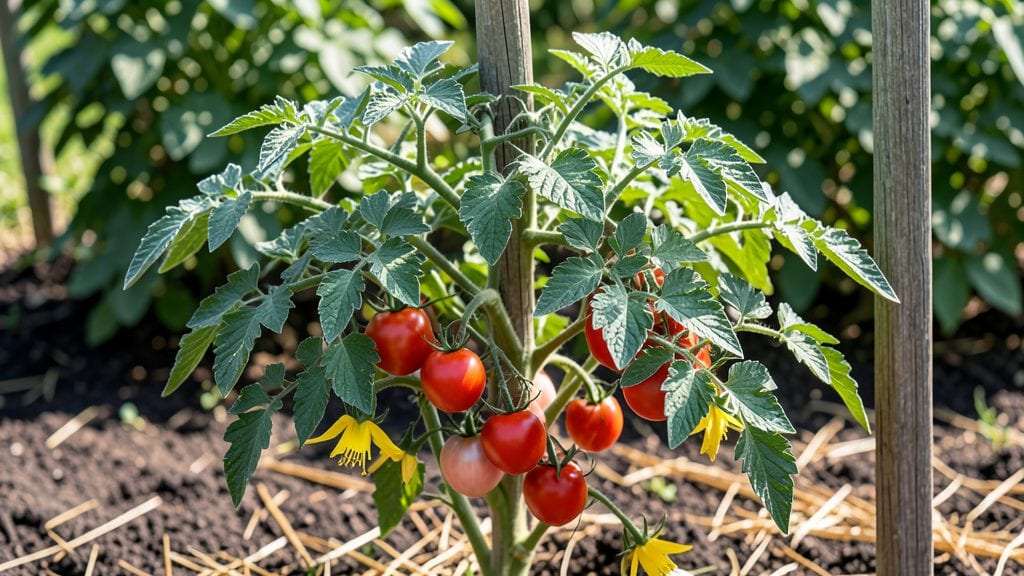
Growing tomatoes in your garden delivers flavor you won’t find in stores—juicy, vine-ripened perfection that takes just 60 days from seed to harvest.
I’ve grown over 20 varieties since my first struggling plants in 2016, and the key isn’t luck—it’s understanding when to plant, how to prune, and what soil truly craves. The difference between mealy grocery tomatoes and the ones that make your neighbors ask for seeds? Science-backed timing and care.
Start with well-draining soil amended with compost—tomatoes hate soggy roots—and choose varieties suited to your climate. Cherry tomatoes thrive in containers, while beefsteaks need sturdy cages and 18+ hours of sunlight daily. Water deeply at the base (never overhead) to prevent disease, and mulch to keep moisture steady.
Prune suckers regularly to focus energy on fruit, not foliage, and you’ll see the first ripe tomatoes in late summer—bursting with flavor.
By mid-season, your plants will produce pounds of fruit with minimal effort, provided you stay vigilant about pests like hornworms and blight. The real reward? Handpicking tomatoes still warm from the sun, their scent filling the air as you slice into them.
This isn’t just gardening—it’s a taste of summer you’ll crave year-round, no matter the season.
Whether you’re working with a small balcony plot or a full backyard, the same principles apply. The only variable is scale—so let’s get those seeds in the ground and turn your garden into a tomato powerhouse. The first bite is worth every minute of care.
📚 In This Guide
- What you need
- Instructions
- Tips and common mistakes
- Wrapping up and next steps
What you need
- ● Tomato Seeds or Seedlings: Choose disease-resistant varieties like Early Girl or Cherry Tomatoes for faster results (60-day varieties). You’ll need 2–4 plants per person.
- ● Potting Soil or Garden Soil: Use a high-quality, well-draining potting mix (10–20 lbs) or amend garden soil with compost (5–10 lbs per plant).
- ● Containers or Garden Space: Containers: 5-gallon pots or larger (1 plant per container). Ensure they have drainage holes.
- ● Garden Beds: Full sun (6–8+ hours/day) and space 18–24 inches apart for bush varieties or 24–36 inches for indeterminate types.
- ● Fertilizer: A balanced 10-10-10 or 5-10-10 fertilizer (1 tbsp per plant every 2–3 weeks) or organic options like composted manure.
- ● Stakes or Cages: 6–8 ft tall stakes or sturdy cages (1 per plant) to support vines.
- ● Gloves & Hand Trowel: For planting and soil work.
- ● Watering Can or Hose: With a gentle spray nozzle to avoid damaging plants.
- ● Pruning Shears: For trimming suckers and dead leaves.
- ○ Mulch (Optional): Straw or shredded leaves (2–3 inches thick) to retain moisture and suppress weeds.
- ○ Row Cover or Shade Cloth (Optional): For early protection from pests or harsh sun.
- ● A sunny location with minimal shade.
- ● Access to water (consistent moisture is key!).
- ● Patience! Tomatoes thrive with regular care over 60 days.
Step-by-step instructions for planting and cultivating garden tomatoes
Here's how to grow tomatoes that burst with sun-ripened sweetness in just two months.
Prepare the Soil for Optimal Growth
Clear the planting area of weeds and rocks, then loosen the soil to a depth of 12 inches using a garden fork. Tomatoes thrive in well-draining soil with a pH between 6.0 and 6.8. Work in 3-4 inches of compost to enrich the soil and improve fertility. I like to mix in a handful of bone meal at the bottom of the planting hole—this provides slow-release phosphorus for strong root development.
If your soil is heavy clay, blend in 2-3 inches of coarse sand to improve drainage. The goal is a loose, crumbly texture that holds moisture but doesn’t compact around roots. Water the amended soil thoroughly 24 hours before planting to help settle everything in place.
Plant Seedlings at the Right Depth and Spacing
Dig a hole slightly wider than the seedling’s root ball, then place the tomato in so that only the top third of the stem remains above soil level. This encourages strong root growth along the buried stem. Space plants 18-24 inches apart in rows 3 feet apart—this gives them room to sprawl and reduces disease spread from crowded foliage.
Gently firm the soil around the base, pressing just enough to eliminate air pockets but not compacting it. Water immediately after planting to help the roots establish contact with the soil. If you’re planting determinate varieties (bush tomatoes), you can skip staking and let them grow naturally, but indeterminate types will need support to reach their full potential.
Install Support and Prune for Better Airflow
Drive a 5-6 foot tall stake or install a cage next to each indeterminate tomato plant within 24 hours of planting. This prevents root disturbance later. For staked varieties, tie the main stem loosely to the stake with soft plant ties, leaving room to grow. Prune suckers—those small shoots that form in the leaf axils—weekly to redirect energy into fruit production rather than excessive foliage.
Remove any lower leaves that touch the soil to prevent soil-borne diseases like blight. I also pinch off flowers on the first few clusters to encourage stronger early growth. Once the plant reaches the top of its support, trim the terminal bud to halt vertical growth and promote fruit ripening.
Water and Fertilize for Maximum Yield
Water deeply once a week, aiming for 1-1.5 inches of water per week, delivered at the soil level rather than overhead. Tomatoes are thirsty plants, but inconsistent moisture leads to blossom-end rot. Use a drip irrigation system or soaker hose to keep foliage dry and reduce disease risk. The best time to water is early morning, so leaves have time to dry before evening.
Feed plants with a balanced 10-10-10 fertilizer every 3-4 weeks once flowers appear. Switch to a low-nitrogen, high-phosphorus formula (like 5-10-10) when fruit sets to encourage ripening. I also sprinkle crushed eggshells around the base monthly for extra calcium—this prevents blossom-end rot and keeps fruits firm.
Monitor for Pests and Harvest at Peak Ripeness
Check plants daily for early signs of pests like aphids, hornworms, or whiteflies. Handpick larger pests and spray affected areas with neem oil in the evening to avoid harming bees. For fungal diseases like early blight, apply a copper fungicide preventatively every 10-14 days once plants are established.
Harvest tomatoes when they’re fully colored and slightly soft to the touch. Indeterminate varieties produce continuously, so check plants every 2-3 days during peak season. Use pruning shears to cut stems cleanly to avoid damaging the plant. Store ripe tomatoes at room temperature—never in the fridge, as this dulls their flavor.
Tips & tricks for perfect garden tomatoes
A few key strategies will help you grow tomatoes that rival store-bought in flavor and yield. These insights come from years of trial-and-error in my own garden—and they'll save you from common pitfalls.
Soil Preparation Secret: The 24-hour watering before planting isn't just about settling the soil—it's about creating the perfect moisture balance. Too much water before planting can lead to root suffocation, while too little means poor root contact. I test the soil moisture 24 hours later by squeezing a handful: it should hold together but not drip. This ensures roots establish quickly without waterlogging.
Planting Depth Technique: Burying all but the top third of the stem isn't just about root growth—it's about creating a stronger plant from the ground up. The buried stem develops additional roots, which means more nutrients and water uptake. For extra insurance, I make a small slit in the root ball before planting to encourage even more root growth along the buried stem.
Pruning Strategy: When you're pruning suckers weekly, focus on removing only the ones larger than your thumb. Smaller suckers can be left to develop—they won't compete with fruit production. Also, always prune in the morning when the plant is dry, which reduces disease risk. I use sharp pruning shears sterilized with rubbing alcohol between plants to prevent spreading any potential infections.
Watering Consistency: The 1-1.5 inches of water per week guideline assumes average rainfall—adjust if your area gets more or less. I use a rain gauge to track weekly precipitation and supplement with irrigation only when needed. The key is maintaining consistent moisture at the soil level; fluctuating moisture causes blossom-end rot. For container-grown tomatoes, you'll need to water more frequently—sometimes daily during hot weather.
Pro Tips for Tomatoes In Garden
- A few key strategies will help you grow tomatoes that rival store-bought in flavor and yield.
- Soil Preparation Secret: The 24-hour watering before planting isn't just about settling the soil—it's about creating the perfect moisture balance.
- Planting Depth Technique: Burying all but the top third of the stem isn't just about root growth—it's about creating a stronger plant from the ground up.
Frequently asked questions
Got questions about growing tomatoes in your garden? You’re not alone! Here are some of the most common queries—and their straightforward answers—to help you cultivate a thriving tomato harvest.
How long does it take for garden tomatoes to grow?
Most tomato varieties mature in 60–90 days from transplanting, depending on the type (determinate vs. indeterminate). Cherry tomatoes often ripen faster (50–60 days), while beefsteak varieties may take longer. Check seed packets for exact days-to-maturity—your garden’s sunshine and warmth will speed things up!
What are the most common tomato pests, and how do I prevent them?
Watch for hornworms (green caterpillars), aphids (tiny clusters on leaves), and blossom end rot (caused by calcium deficiency). Prevent pests with row covers, neem oil, or companion planting (basil + tomatoes = pest deterrent!). For rot, ensure consistent watering and add crushed eggshells to soil for extra calcium.
Can I grow tomatoes in containers, and what’s the best setup?
Use a 5-gallon container minimum for dwarf varieties (like ‘Tiny Tim’ or ‘Patio Princess’). Ensure it has drainage holes, fill with potting mix, and place in full sun (6+ hours/day). Stake or cage plants early—they’ll need support as they grow. Pro tip: Fertilize every 2–3 weeks with a balanced tomato feed!
Why aren’t my tomatoes ripening, even though they’re big?
Tomatoes need full sun (8+ hours/day) and warm temps (70°F+) to ripen. If nights are cool (<50°F), they’ll stall. Try black plastic mulch to warm the soil or move containers to sunnier spots. If they’re still green, harvest them early—they’ll ripen indoors with a banana nearby (ethylene gas speeds it up!).
What can I do with excess homegrown tomatoes?
Preserve the bounty! Canning (sauces, salsa), freezing (whole or chopped), or fermenting (hot sauce) are great options. Share with neighbors, donate to food banks, or dehydrate slices for year-round snacks. Bonus: Overripe tomatoes? Blend into smoothies or compost them for next year’s garden!
Wrapping up and next steps
Growing your own tomatoes is a rewarding journey that delivers unmatched flavor and a deep sense of accomplishment! 🌱 Whether you're a beginner or a seasoned gardener, the key is patience, consistency, and a little love—your garden will thank you with juicy, vibrant tomatoes in just 60 days.
Now that you’re armed with the right tools, techniques, and troubleshooting tips, it’s time to roll up your sleeves and get planting.
Ready to take the next step? Start small—pick one or two tomato varieties to grow this season—and let your green thumb shine! Share your progress with fellow gardeners or even experiment with your first homemade sauce. Happy growing, and may your harvest be bountiful! 🍅✨