
Companion Plants
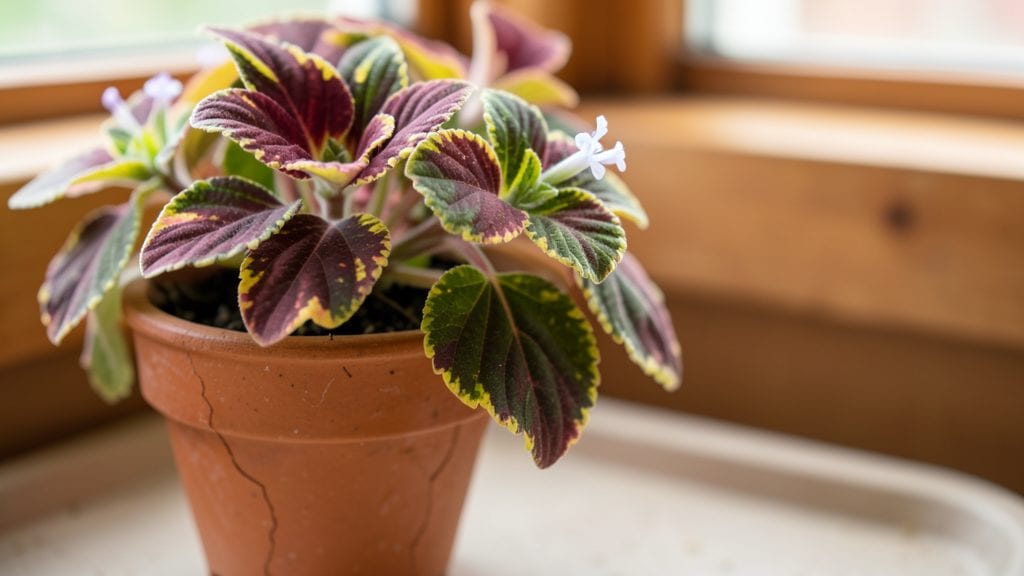
Finding affordable garden plants that pack a big punch for your wallet and your harvest starts with the right choices—and I’ve got the secret. 🌿 Last summer, I turned a $30 investment into a pollinator paradise that doubled my tomato yield, all by focusing on smart, low-cost plants like native milkweed and clover.
Most people overlook perennials and native plants because they assume they’re pricey, but the opposite is true. Bulk seeds from reputable online sellers cost pennies per packet, while local plant swaps or seasonal sales at nurseries often slash prices by half.
Even a single milkweed plant can attract monarchs for years, while clover fixes nitrogen in the soil—free fertilizer for your veggies.
You’ll end up with a garden that hums with life, not just looks pretty. Butterflies and bees will visit every day, your tomatoes will plump up faster, and you’ll save enough to splurge on a few fancy annuals for color.
The best part? These plants thrive with minimal fuss, so even if you’re new to gardening, you’ll see results fast.
Whether you’re working with a shoestring budget or just want to stretch your gardening dollars, this approach works for containers, raised beds, or in-ground plots. Let’s turn that empty space into a thriving, budget-smart ecosystem—without breaking the bank.
📚 In This Guide
- What you need
- Instructions
- Tips and common mistakes
- Wrapping up and next steps
What you need
- ● Seeds or seedlings: 1–2 packets of borage seeds ($2–$4)
- ● 1–2 packets of calendula seeds ($3–$5)
- ● 1–2 packets of nasturtium seeds ($2–$4)
- ● 1–2 packets of sunflower seeds (dwarf varieties, $3–$6)
- ● 1–2 packets of marigold seeds ($2–$5)
- ● Garden soil: 1–2 bags of organic potting mix or compost-enriched soil ($5–$10)
- ● Containers or garden bed: Small pots (4–6 inch, $1–$3 each) or
- ● A 4’x8’ raised bed or in-ground plot (free if you have space!)
- ● Watering supplies: A watering can ($5–$10) or
- ● A hose with a gentle spray nozzle ($10–$20)
- ○ Fertilizer (optional but helpful): Balanced organic fertilizer (10-10-10 or compost tea, $5–$12)
- ● Garden gloves ($5–$10) – Protect your hands from thorns (like nasturtiums!) and dirt.
- ● Mulch (straw or shredded leaves, $3–$8) – Helps retain moisture and suppress weeds.
- ● Plant markers ($2–$5 for a set) – Label your pollinator plants to track growth.
- ● Bee-friendly water source (shallow dish with pebbles, $0) – Attracts pollinators instantly!
Step-by-step guide to planting budget-friendly pollinators
Here’s how to create a thriving pollinator garden without breaking the bank—just four simple plants that pack a big punch.
🌱 Step 1: Choose Your Pollinator Plants
Start with these four affordable, high-impact plants: bachelor’s buttons, cosmos, marigolds, and sunflowers. I buy seeds in bulk online or from local garden centers—often for under $5 total. These plants attract bees, butterflies, and other pollinators while adding color and texture to your garden.
Look for heirloom or open-pollinated seeds—they’re usually cheaper than hybrids and save well for next year. I always check the packet for days to maturity to plan spacing and timing. For example, cosmos and marigolds germinate quickly (5-10 days), while sunflowers take a bit longer (10-14 days).
💧 Step 2: Prepare the Soil and Plant Seeds
Pick a sunny spot—at least 6 hours of direct sun daily—and loosen the soil with a garden fork or tiller. Mix in 2-3 inches of compost (homemade or store-bought) to improve drainage and fertility. I like to work the compost into the top 6 inches of soil for best results.
Scatter seeds thinly—don’t overcrowd—since these plants self-seed easily. Cosmos and bachelor’s buttons can handle light foot traffic, so I plant them in broadcast rows for a natural look. Marigolds and sunflowers need 1-2 inches of spacing between seeds. Water gently after planting to settle the soil around the seeds.
☀️ Step 3: Water and Maintain for Pollinator Success
Keep the soil evenly moist but not soggy until seeds germinate. After sprouts appear, water deeply 1-2 times per week—enough to moisten the soil 6 inches down. I use a soaker hose to avoid wetting the leaves, which prevents fungal diseases like powdery mildew.
Once plants reach 3-4 inches tall, thin them to the recommended spacing (check seed packets). Cosmos and bachelor’s buttons can stay 6-12 inches apart, while sunflowers need 12-24 inches depending on the variety. Deadhead spent blooms to encourage more flowers—this keeps your pollinators coming back all season.
✂️ Step 4: Encourage Pollinators and Extend the Bloom
Leave some seeds on the plants at the end of the season—they’ll self-seed for next year! I let 20-30% of the plants go to seed naturally, which saves money and ensures a fresh crop. Cut back faded foliage in late fall, but leave seed heads for winter interest and food for birds.
To keep pollinators visiting, add a small water source like a shallow dish with pebbles. I place it near the plants so bees and butterflies can drink without drowning. Avoid pesticides—even natural ones—since they harm the very creatures you’re trying to attract.
Tips & tricks for perfect budget-friendly pollinator gardens
Creating a pollinator-friendly garden doesn't have to be complicated—just a few smart tricks make all the difference.
Seed Selection Tip: I always buy heirloom or open-pollinated seeds for these four plants because they're cheaper and save well for next year. Look for seed packets labeled "non-GMO" or "organic" if you want to avoid potential hybrid issues. The 5-10 day germination for cosmos and marigolds means you'll see quick results, while sunflowers' 10-14 day germination gives you time to plan succession plantings.
Soil Prep Strategy: Don't skip the compost! Mixing in 2-3 inches of compost into the top 6 inches of soil gives your pollinator plants the nutrients they need to thrive. For even better results, add a handful of bone meal or worm castings when planting—this gives a slow-release boost that lasts all season. The 6 hours of daily sun requirement is non-negotiable, so choose your planting location carefully.
Watering Wisdom: The key to successful pollinator gardens is consistent moisture. After planting, keep the soil evenly moist until germination, then switch to deep watering 1-2 times per week. I use a soaker hose to deliver water directly to the roots without wetting the leaves—this prevents powdery mildew and fungal diseases that can stress your plants. Watering in the morning gives foliage time to dry before evening, which helps prevent common garden pests.
Pollinator Perk: Add a simple water source like a shallow dish with pebbles to give pollinators a place to drink. Place it near your plants so bees and butterflies can easily find it. The pebbles create landing spots while keeping insects from drowning. This small addition can dramatically increase the number of pollinators visiting your garden—sometimes within just a few days!
Pro Tips for Affordable Garden Plants
- Creating a pollinator-friendly garden doesn't have to be complicated—just a few smart tricks make all the difference.
- Seed Selection Tip: I always buy heirloom or open-pollinated seeds for these four plants because they're cheaper and save well for next year.
- Soil Prep Strategy: Don't skip the compost!
Frequently asked questions
Got questions about growing budget-friendly pollinators? We’ve got answers!
Here are some of the most common queries about affordable garden plants—and how to make them work for your space and wallet.
What are the most affordable pollinator plants I can start with?
Look for native wildflowers, marigolds, or basil—they’re often sold in bulk or as seeds for just a few dollars. Check local nurseries for discounted "ugly" plants or seed swaps in your community. Even a single bee balm or sunflower plant can attract pollinators without breaking the bank!
Can I grow pollinator-friendly plants from seeds instead of buying seedlings?
Seeds are the cheapest way to start—just $1–$3 per packet can yield dozens of plants. Opt for annuals like cosmos or perennials like lavender, which self-seed or return yearly. Pro tip: Save seeds from your harvest to replant next season and cut costs even further!
How long does it take for these plants to attract pollinators?
Most annuals (like zinnia or nasturtium) bloom in 6–8 weeks from seed, while perennials (e.g., milkweed) may take a full season. Plant early in spring or late summer for a steady supply of nectar. Bonus: Even "weedy" plants like dandelions (if pesticide-free) are early-season pollinator magnets!
What if my garden space is small or shady?
No problem! Try compact herbs like thyme or shade-tolerant ferns (which host pollinators too). For tiny spaces, window-box marigolds or hanging baskets of alyssum work wonders. Remember: Even a single pot on a balcony can support bees—just ensure it’s 6+ inches deep for roots.
Are there any low-cost plants that repel pests and attract pollinators?
Yes! Basil deters mosquitoes, marigolds ward off nematodes, and borage keeps tomato hornworms away—all while feeding bees. Companion planting these with veggies (like tomatoes or peppers) is a free way to boost your harvest naturally. Try this: Plant basil near your tomato plants for a double win!
What do I do if my affordable plants aren’t thriving?
Check for water stress (most pollinator plants need 1 inch/week), poor soil (amend with compost), or pests (handpick aphids or spray soapy water). Overcrowding can stunt growth—thin seedlings early. Still struggling? Swap underperformers with a neighbor’s thriving plants (many gardeners happily share cuttings!).
Wrapping up and next steps
Transforming your garden into a thriving, budget-friendly pollinator haven is easier—and more rewarding—than you think! 🌸 With affordable garden plants, you’re not just saving money; you’re nurturing a healthier harvest and supporting local ecosystems.
Whether you’re a seasoned gardener or just starting, every seed and sapling planted today is a step toward a greener tomorrow.
Ready to take the next step? Start small—pick one or two plants from our list, plant them this weekend, and watch your garden (and wallet) bloom! 🌱 Happy gardening!