
Flowers
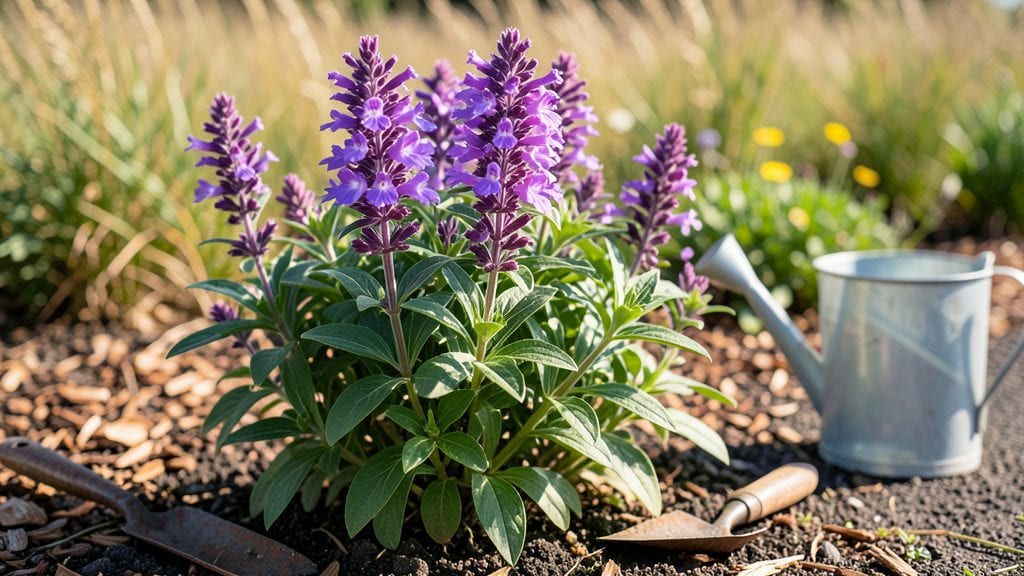
Angelonia in gardens transforms dull borders into buzzing, blooming havens that keep pollinators visiting from spring through frost. 🌿 I fell for this plant the first time I saw it—those snapdragon-like blooms in shades of pink, purple, and white, standing tall and proud in the heat when others wilt.
It’s the secret weapon for gardeners who want color without the fuss of constant deadheading.
The real magic happens when you pair it with other heat-lovers like salvia and verbena. Plant angelonia along pathways where its 24-inch spikes create a natural archway, or tuck it into containers where its upright habit adds vertical drama.
The blooms attract bees, butterflies, and hummingbirds all season long, making your garden feel alive in ways annuals alone never could.
You’ll end up with a garden that stays vibrant even when summer wilts other flowers. The blooms last longer, the colors pop brighter, and you get that satisfying buzz of knowing you’ve created a pollinator paradise.
Plus, it thrives in full sun, so it’s perfect for hot, dry spots where other plants struggle.
Whether you’re designing a pollinator-friendly border or just want a low-maintenance plant that delivers year-round, angelonia fits right in. Let’s make your garden the talk of the neighborhood with these easy, eye-catching ideas.
Common Reasons Angelonia Struggles
Angelonia, with its vibrant blooms and pollinator appeal, is a garden favorite—but it can sometimes face challenges that leave gardeners scratching their heads. Understanding the why behind these issues is the first step to keeping your angelonia thriving. Let’s break down the most common culprits and their scientific roots.
Angelonia is a tropical beauty, and it hates extreme heat or cold snaps. When temperatures soar above 90°F (32°C) or dip below 50°F (10°C), the plant reacts in predictable ways:
- Heat Stress: High temperatures cause stomatal closure (tiny pores on leaves shut down to conserve water), leading to wilting, yellowing, or crispy leaf edges. The plant may also drop buds before they open, leaving you with fewer blooms.
- Cold Damage: Frost or near-freezing temps trigger cellular rupture in leaves and stems. You’ll spot dark, mushy spots or blackened foliage—this is irreversible damage.
- Poor Pollination: Bees and butterflies are less active in extreme heat, so even if flowers form, they may not set seed or produce new growth.
Actionable Fix: Provide afternoon shade in hot climates (use shade cloth or plant near taller perennials). In cooler zones, use row covers or grow angelonia as an annual to avoid winter kill.
Angelonia’s roots are not drought-tolerant, but they also drown in soggy soil. The balance is tricky:
- Underwatering: Leaves curl, turn brown at the edges, and feel papery to the touch. The plant conserves water by abscising (dropping) leaves, and roots may shrink or die back.
- Overwatering: Yellowing leaves with a soggy, mushy texture signal root rot (Pythium or Phytophthora fungi thrive in waterlogged soil). Stems may darken and collapse.
- Inconsistent Moisture: Fluctuating water levels stress the plant, leading to blossom drop or stunted growth.
Actionable Fix:
- Water deeply 2–3 times per week (1–1.5 inches per session) rather than daily shallow drinks.
- Ensure well-draining soil (amend clay soil with compost or perlite).
- Check moisture with your finger: If the top 1 inch of soil is dry, it’s time to water.
Angelonia craves full sun (6+ hours daily), but too much direct UV or insufficient light throws it off:
- Too Little Sun: Stems elongate (a condition called etiolation) to reach light, making plants leggy and weak. Fewer blooms form, and leaves may bleach or develop reddish veins.
- Too Much Sun (Without Acclimation):strong> Sudden exposure to intense afternoon sun after shade causes sunburn. Leaves develop white or brown patches (necrosis) and may crisp.
- Indoor/Container Struggles: Low light indoors leads to chlorosis (yellowing between leaf veins) due to poor chlorophyll production.
Actionable Fix:
- Gradually harden off angelonia if moving from shade to sun (acclimate over 7–10 days).
- Use light-colored containers to reflect heat in hot climates.
- For indoor plants, place near south- or west-facing windows and supplement with grow lights (12–14 hours/day).
Angelonia thrives in fertile, slightly acidic soil (pH 6.0–7.0), but poor soil conditions lead to visible stress:
- Compacted or Poor-Draining Soil: Roots suffocate, leading to root-bound plants, yellowing leaves, and stunted growth. Fungal diseases like powdery mildew also flourish.
- Nutrient Deficiencies:
- Nitrogen (N) Deficiency: Older leaves turn yellow (but veins stay green). Growth slows.
- Phosphorus (P) Deficiency: Dark green or purplish leaves with poor flowering.
- Potassium (K) Deficiency: Leaf edges brown and crisp (like a "scorched" look).
- Magnesium (Mg) Deficiency: Interveinal chlorosis (yellowing between veins) on older leaves.
- Over-Fertilization: Excess salts (from synthetic fertilizers) burn roots, causing leaf tip browning and stunted growth.
Actionable Fix:
- Test soil pH and amend with lime (to raise pH) or sulfur (to lower pH) if needed.
- Use a balanced, slow-release fertilizer (10-10-10 or 20-20-20) every 4–6 weeks during growing season.
- For containers, flush soil with water monthly to prevent salt buildup.
Angelonia’s tender foliage and flowers attract pests and pathogens. Here’s what’s really happening:
- Spider Mites: These tiny arachnids thrive in dry, hot conditions and pierce leaves to suck sap, causing stippling (tiny white/yellow dots) and webbing on undersides.
- Aphids: Clusters of soft-bodied insects feed on new growth, causing curled leaves, sticky honeydew (leading to sooty mold), and stunted blooms.
- Whiteflies: Tiny white insects that flock to leaf undersides, weakening the plant and spreading viruses. Their excrement attracts ants.
- Fungal Diseases (e.g., Powdery Mildew, Root Rot):strong> High humidity + poor airflow = white powdery coatings (mildew) or
Quick fixes for angelonia Struggles
Revitalizing your angelonia plants doesn’t have to be a guessing game. Whether your blooms are fading, pests are invading, or the soil feels off, these targeted solutions will get your pollinator-friendly garden back on track—fast.
Below, we’ve mapped common issues to easy fixes, plus prevention tips to keep your angelonia thriving all season long.
Cause: Overwatering, underwatering, or poor drainage. Fix:
- Check the soil 👨🌾: Stick your finger 1–2 inches deep. If it’s bone-dry, water deeply until moisture reaches 6 inches down. If soggy, hold off and improve drainage.
- Adjust watering habits 💧: Angelonia prefers consistent moisture but hates soggy roots. Water at the base in the morning to reduce evaporation and fungal risks.
- Amend heavy clay soil 🏗️: Mix in 2–3 inches of compost or perlite to boost aeration. For sandy soil, add organic matter like peat moss.
Prevention Tip: 💡 Mulch with 2–3 inches of shredded bark or straw to retain moisture and regulate soil temperature.
Cause: Aphids, spider mites, or whiteflies sucking sap or stunting growth. Fix:
- Blast them off 💦: Spray plants with a strong stream of water to dislodge pests, especially on undersides of leaves.
- Neem oil spray 🌿: Mix 1 tbsp neem oil + 1 tsp mild soap in 1 quart of water. Spray early morning/evening for 7–10 days to deter pests.
- Introduce predator insects 🐞: Ladybugs and lacewings love munching on aphids. Buy them online or attract them with companion plants like dill or fennel.
Prevention Tip: ✨ Inspect new plants before bringing them home—quarantine for a week to catch hitchhiking pests early.
Cause: Over-fertilizing, nutrient deficiencies, or insufficient sunlight. Fix:
- Light check ☀️: Angelonia craves 6+ hours of direct sun daily. Move pots to sunnier spots or trim nearby shade-casters (like tall trees).
- Feed lightly 🌱: Use a balanced, water-soluble fertilizer (10-10-10) once at planting, then switch to a low-phosphorus formula (like 5-10-5) every 4–6 weeks during bloom season.
- Deadhead regularly ✂️: Snip spent flowers to encourage new blooms. Wear gloves—angelonia stems can be prickly!
Prevention Tip: 🎯 Plant in well-draining soil with a slow-release fertilizer granule at the base to avoid overfeeding.
Cause: Powdery mildew or root rot from humidity or poor circulation. Fix:
- Prune for airflow 🌬️: Thin out crowded stems to improve ventilation. Aim for 6–12 inches between plants.
- Fungicide spray 🛡️: Use a baking soda mix (1 tsp baking soda + 1 quart water + a drop of soap) or a copper-based fungicide for severe cases.
- Water wisely 🚰: Avoid overhead watering—use drip irrigation or a watering can with a spout to keep foliage dry.
Prevention Tip: 🌡️ Space plants 12–18 inches apart and water early in the day so leaves dry before nightfall.
Cause: Stretching for light or lack of structural support. Fix: - Move to brighter light 🔦: If indoors, place near a south-facing window or use grow lights for 12–14 hours daily. - Stake tall varieties 🪵: Use bamboo stakes or tomato cages to support heavy blooms.
Tie stems gently with soft plant ties. - Pinch back ✂️: Trim the tips of leggy stems to encourage bushier growth. Do this in early spring or after flowering.
Prevention Tip: 💡 Start with compact varieties like ‘Angelface Blue’ if space is limited—they stay bushy with less pruning.
Cause: Wilting or scorched leaves in extreme heat (above 90°F/32°C). Fix:
- Provide afternoon shade 🌿: Use shade cloth (30–50%) or move pots to a spot with dappled sunlight during peak heat.
- Mist leaves 💦: Lightly mist foliage in the morning to cool plants (avoid evening misting to prevent fungal growth).
- Hydrogel boost 💧: Mix hydrogel crystals into the soil to retain moisture during dry spells.
Prevention Tip: 🌵 Plant angelonia near taller, heat-tolerant plants (like lantana) for natural shade.
Pro Tip: 🔥 Rotate your pots every few weeks so all sides get even sunlight—this prevents lopsided growth and maximizes blooms!
With these fixes, your angelonia will bounce back faster than you think. Remember: consistency is key—whether it’s water, light, or love (okay, maybe not the last one). Happy gardening! 🌸
Frequently asked questions
What colors does angelonia come in?
Angelonia blooms in vibrant shades of pink, purple, white, and lavender, with some varieties featuring bi-color flowers. The most popular hues are deep magenta, soft blush, and sky-blue tones. These colors make it perfect for adding pops of contrast to garden beds or containers.
Is angelonia deer-resistant?
Yes! Angelonia is generally deer-resistant due to its slightly bitter taste and prickly stems. This makes it an excellent choice for gardens in areas with frequent deer activity. While no plant is 100% deer-proof, angelonia is far less appealing than many other garden favorites.
Can I grow angelonia in containers?
Angelonia thrives in containers and is perfect for patios, balconies, or small spaces. Use pots at least 12 inches deep with drainage holes, and choose a well-draining potting mix. This makes it ideal for urban gardeners or those with limited ground space.
How do I keep angelonia blooming all season?
Regular deadheading (removing spent blooms) encourages continuous flowering. Also, fertilize lightly every 4-6 weeks with a balanced fertilizer, and ensure it gets full sun (6+ hours daily). Pruning leggy stems in early spring helps maintain bushy growth and more blooms.
What companion plants pair well with angelonia?
Angelonia pairs beautifully with other heat-loving plants like salvia, verbena, and lantana. For pollinator gardens, combine it with coneflowers, black-eyed Susans, or bee balm. The upright habit of angelonia makes it perfect for borders or as a backdrop for lower-growing annuals.