
Companion Plants
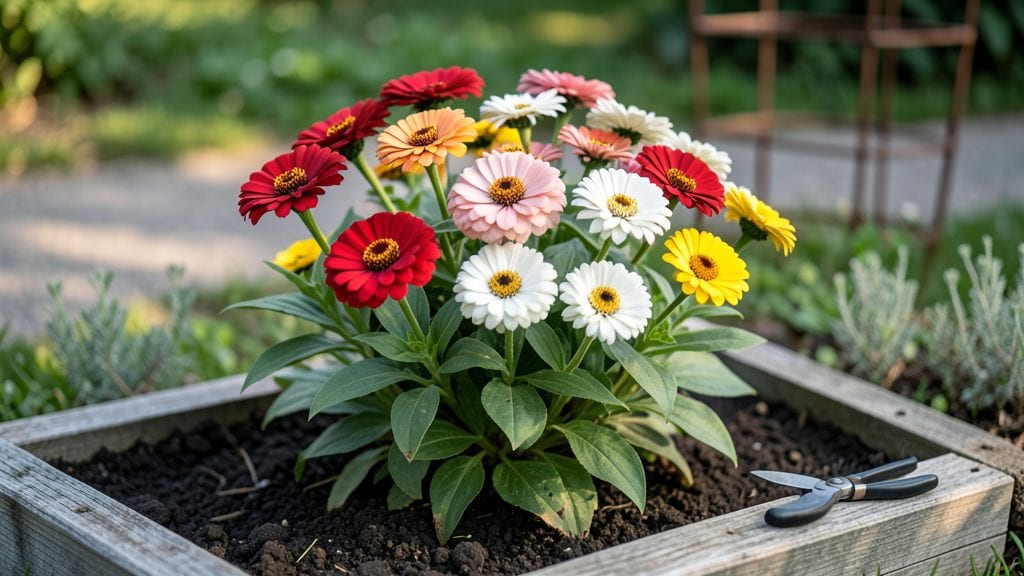
Annual garden plants are the secret weapon for gardens that look effortless all season long. 🌸 I’ve used them to turn bare spots into bursts of color—whether I’m filling gaps in perennials or creating bold containers that neighbors admire.
The best part? They grow fast, bloom reliably, and let you experiment with colors and textures without long-term commitment.
Start with a mix of sun-loving annuals like zinnias and petunias for vibrant borders, then add shade-tolerant impatiens or fuchsias to brighten darker corners. For pollinator gardens, marigolds and cosmos attract bees and butterflies while keeping pests at bay.
Even in small spaces, a single container packed with trailing lobelia and calibrachoa creates a lush, spilling effect that feels like a full garden.
You’ll end up with a garden that stays lively from spring to frost, shifting colors as seasons change. The key is choosing annuals that match your light conditions—sun, partial shade, or full shade—and pairing them with perennials or shrubs for structure.
Once you see how quickly they fill in, you’ll never reach for bare ground again.
Works for cottage gardens, modern containers, or even urban balconies—just swap out varieties based on your space and sunlight. Here’s how to pick the perfect mix for your style.
📚 In This Guide
- What you need
- Instructions
- Tips and common mistakes
- Wrapping up and next steps
What you need
- ● Annual plants: Choose 5–10 varieties (e.g., marigolds, zinnias, petunias, or cosmos) based on your climate zone and sunlight exposure.
- ● Potting soil: 1–2 bags (10–20 lbs) of high-quality, well-draining garden soil or seed-starting mix.
- ● Containers or garden beds: For containers: 5–10 pots (6–12 inches deep) with drainage holes.
- ● For in-ground: A sunny spot (6+ hours of light) with loose, fertile soil.
- ● Watering can or hose: With a gentle spray nozzle for seedlings.
- ● Fertilizer: Slow-release granules (e.g., 10-10-10 NPK ratio) or liquid feed for blooming plants.
- ● Required: Hand trowel or small shovel
- ● Gloves (to protect from thorns or soil)
- ● Pruning shears (for deadheading)
- ○ Optional (but helpful!): Mulch (2–3 inches of straw or shredded bark)
- ● Plant labels (for tracking varieties)
- ● Stakes or cages (for tall annuals like sunflowers)
- ● pH test kit (to check soil acidity, ideal: 6.0–7.0)
- ● Know your USDA Hardiness Zone (check here).
- ● Confirm your garden’s sunlight exposure (full sun, partial shade, or full shade).
- ● Check the last frost date in your area (typically 2–4 weeks before planting outdoors).
- ● For seedlings: Start indoors 4–6 weeks before the last frost or buy transplants from a nursery.
How to plan a low-maintenance annual garden for continuous blooms
Here's the simple system I trust to keep my garden vibrant with minimal effort.
🌱 Step 1: Select the Right Annual Varieties for Your Climate
Choose plants that thrive in your hardiness zone and bloom continuously. For warm climates, try marigolds, zinnias, and cosmos—they handle heat and drought once established. In cooler zones, pansies, snapdragons, and sweet alyssum provide early and late-season color. I always pick at least three plants with staggered bloom times so my garden never looks bare.
Check seed packets for days to maturity—this tells you how long until you see flowers. For example, cosmos seeds take 70-80 days to bloom, while pansies flower in just 60 days. This helps me plan succession plantings so blooms overlap seamlessly. Avoid plants labeled "tender"—they won't survive frost.
🪴 Step 2: Prepare the Soil and Plant in Successive Waves
Loosen the top 6 inches of soil with a garden fork to help roots spread. Mix in 2-3 inches of compost to feed plants all season. I like to plant in three waves: early spring, late spring, and early summer. This ensures flowers appear continuously instead of all at once.
For each planting, space seeds or transplants according to package instructions. Marigolds need 12-18 inches apart, while snapdragons can go 9-12 inches apart. Water deeply after planting to settle the soil and encourage root growth. A 1-inch layer of mulch keeps moisture in and weeds out—just don’t let it touch plant stems.
☀️ Step 3: Maintain Consistent Watering and Fertilization
Water deeply once or twice a week—aim for 1 inch of water total—rather than light daily sprinkles. This encourages deep roots that handle drought better. I water in the early morning so foliage dries quickly, reducing disease risk. Check soil moisture by sticking your finger 1 inch down; if it’s dry, it’s time to water.
Feed plants every 4-6 weeks with a balanced, water-soluble fertilizer (like 10-10-10) to keep blooms abundant. Deadhead spent flowers regularly—this redirects energy to new blooms instead of seed production. Zinnias and cosmos are especially eager to resprout if you remove faded blooms promptly.
✂️ Step 4: Extend the Season with Smart Planting
For fall color, replant pansies, sweet alyssum, and calendulas in late summer. These tolerate light frosts and often rebloom after cold snaps. I also tuck in kale and cabbage as edging plants—they add texture and last through winter in mild climates.
In hot zones, shade-sensitive plants like impatiens may struggle in peak summer. Move them to partial shade or replace them with heat-tolerant annuals like portulaca or lantana. A little flexibility keeps the garden looking fresh without extra work.
⏰ Step 5: Plan for Next Year’s Garden
As flowers fade in late fall, let some plants go to seed—this provides food for birds and may yield free seeds for next year. Marigolds and cosmos self-seed easily, so I let a few bolt naturally. Take notes on what thrived (or flopped) to refine your choices for spring.
Clean up debris but leave 3-4 inches of mulch over winter. This protects soil structure and suppresses weeds. In early spring, add a layer of compost before new plantings to jumpstart growth. A little prep now means fewer surprises later.
Tips & tricks for perfect annual garden blooms
These simple strategies will help you create a vibrant, low-maintenance garden that keeps blooming all season long.
Selection Strategy: When choosing your annuals, look for varieties labeled "continuous bloomer" or "prolific." These plants are bred to produce flowers nonstop rather than just once. For example, cosmos and zinnias in warm climates or pansies in cooler zones are excellent choices. I've found that mixing sun-loving and shade-tolerant varieties prevents gaps when some plants naturally slow down.
Soil Prep Secret: Before planting, work in a handful of slow-release fertilizer (like 10-10-10) into the top 6 inches of soil. This gives your plants a nutrient boost right when they need it most. I also add a thin layer of perlite or vermiculite to improve drainage—especially important for heavy clay soils. This small step prevents root rot and keeps plants thriving even during dry spells.
Watering Wisdom: The key to consistent blooms is deep, infrequent watering. Instead of sprinkling lightly every day, aim for that 1-inch total once or twice weekly. I use a rain gauge to track rainfall and adjust accordingly. Watering in the early morning also prevents fungal diseases by letting foliage dry completely before evening. For container gardens, use self-watering pots to maintain consistent moisture.
Season Extension Hack: Don't let your garden go dormant in fall! Plant pansies and sweet alyssum in late summer for cool-season color. These hardy annuals often survive light frosts and may even rebloom after cold snaps. In warm zones, replace heat-sensitive plants like impatiens with portulaca or lantana—they thrive in summer heat and provide vibrant blooms until frost.
Pro Tips for Annual Garden Plants
- These simple strategies will help you create a vibrant, low-maintenance garden that keeps blooming all season long.
- Selection Strategy: When choosing your annuals, look for varieties labeled "continuous bloomer" or "prolific."
- Soil Prep Secret: Before planting, work in a handful of slow-release fertilizer (like 10-10-10) into the top 6 inches of soil.
Frequently asked questions
What’s the best time to plant annuals for year-round color?
Most annuals thrive when planted in early spring (after the last frost) or late summer (6–8 weeks before the first frost). For a continuous bloom, stagger plantings every 2–3 weeks. Cool-season annuals (like pansies) can handle light frost, while heat-lovers (like marigolds) need warm soil.
How often should I water annual plants?
Water deeply 1–2 times per week, aiming for 1–1.5 inches of water. Newly planted annuals may need daily watering until established. Check soil moisture—if the top inch feels dry, it’s time to water. Mulch helps retain moisture and reduce evaporation.
Why are my annuals wilting or dying even with regular care?
Wilting often signals underwatering, overwatering, or poor drainage. Check for yellowing leaves (overwatering) or crispy edges (underwatering). Pests like aphids or fungal diseases (e.g., powdery mildew) can also cause stress. Inspect plants regularly and treat issues early with neem oil or fungicides.
Can I reuse soil from last year’s annual garden?
Reuse soil only if it’s disease-free. Annuals deplete nutrients quickly, so refresh the bed with 2–3 inches of compost or aged manure before replanting. If last year’s plants had pests or diseases, sterilize the soil with solarization (cover with plastic for 4–6 weeks) or replace it.
What are the most low-maintenance annuals for busy gardeners?
Try these hardy, self-cleaning picks:
- Marigolds – Deter pests, bloom nonstop, and thrive in heat.
- Zinnias – Long-lasting, drought-tolerant, and attract pollinators.
- Sweet Alyssum – Fragrant, self-seeds, and loves partial shade.
- Lantana – Drought-resistant with clusters of colorful blooms.
How do I extend the blooming season for annuals?
Deadhead spent blooms regularly to encourage new flowers. Use slow-release fertilizer every 4–6 weeks, and choose varieties with staggered bloom times (e.g., mix early, mid-, and late-season annuals). For fall color, plant cool-season annuals like snapdragons or calendula in late summer.
Wrapping up and next steps
Annual garden plants are your secret weapon for effortless, vibrant color that keeps your garden blooming from spring to frost! 🌸 With the right selection—like sun-loving marigolds, shade-friendly impatiens, or pollinator magnets like zinnias—you can transform any space into a low-maintenance paradise.
Whether you're a beginner or a seasoned pro, these plants offer year-round beauty with minimal upkeep, proving that stunning gardens aren’t just for green thumbs.
Ready to dive in? Start by sketching a simple layout based on your sunlight and soil conditions, then pick your top 3-5 favorites to plant this weekend. Happy gardening—your future blooms will thank you! 🌱✨