
Watering
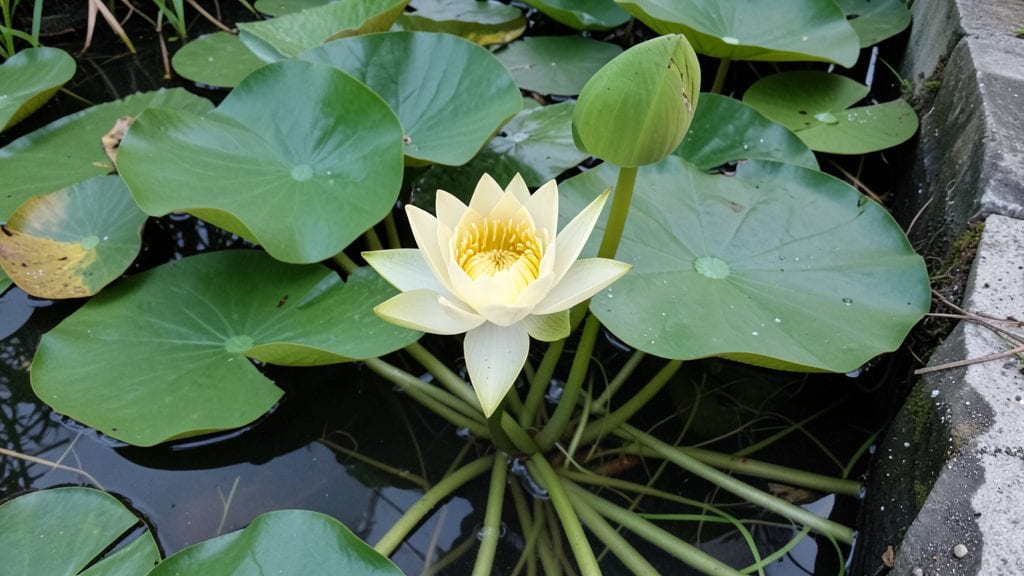
A backyard water garden transforms your yard into a tranquil retreat where water hums softly and aquatic plants clean the air naturally. 💚 I built mine after years of dreaming about the sound of moving water—now it’s the quietest corner of my garden, where dragonflies dart and sunlight dances on the surface.
The magic isn’t just visual; it’s functional too, with plants like water lilies and cattails acting as nature’s own filtration system.
You don’t need a massive space or expensive equipment to start. A simple 4-foot-wide pond or even a preformed liner can create the same serene effect, and you can choose from fountains, small streams, or still-water designs based on your yard’s layout.
The key is balancing aquatic plants (like pickerelweed or water hyacinth) with hardy fish if you want movement—though even a plant-only setup thrives with minimal care.
By summer’s end, you’ll have a self-sustaining ecosystem that requires little more than occasional leaf removal and top-offs when water evaporates. The air smells fresher, the space feels cooler, and you’ll spend more time outside than ever before—just listening to the water.
Here’s how to make it happen without the headaches.
Works for any yard size, from suburban backyards to urban balconies with container setups. The only requirement? A spot where you can relax and let nature take over the work.
📚 In This Guide
- What you need
- Instructions
- Tips and common mistakes
- Wrapping up and next steps
What you need
- ● Container: Pond liner (EPDM rubber, 45 mil thickness) – size depends on your pond dimensions
- ● OR preformed pond (various sizes, 1,000–5,000+ gallons)
- ● Filtration System: Pond pump (submersible or external, 500–2,000 GPH)
- ● Biofilter media (ceramic rings, lava rock, or foam)
- ○ UV clarifier (optional but recommended for algae control)
- ● Plumbing & Accessories: PVC pipes or flexible tubing (½" or ¾" diameter)
- ● Waterproof sealant (silicone-based)
- ● Fittings (elbows, tees, adapters)
- ● Check valves (to prevent backflow)
- ● Water Source & Filling: Garden hose with spray nozzle (for filling)
- ● Water dechlorinator (if using tap water)
- ● Safety & Maintenance: Safety net or pond cover (to protect wildlife)
- ● Pond vacuum (for cleaning debris)
- ● Test kit (for pH, ammonia, nitrites)
- ● Waterfall or fountain kit (for added aesthetics and oxygenation)
- ● Solar-powered pump (eco-friendly option)
- ● Floating plants (water lilies, lotus) or marginal plants (canna, iris)
- ● LED underwater lighting (for nighttime ambiance)
- ● Rocks, gravel, or decorative stones (for natural landscaping)
- ● Fish (koi, goldfish, or native species—if local laws permit)
Step-by-step guide to building a backyard water garden
Here's how to create a peaceful water feature that thrives with minimal maintenance.
🪴 Step 1: Select and Prepare the Site
Choose a level spot with at least 6 hours of sunlight daily. Avoid low areas where water pools after rain. I like to mark the outline with spray paint first—this helps visualize the shape before digging. For a 4-foot diameter pond, dig a hole 18 inches deep at the center, gradually sloping the edges to 6 inches deep around the perimeter.
Line the hole with a heavy-duty pond liner, folding edges up 12 inches above ground level. Smooth out wrinkles immediately—they'll create weak spots that leak later. Place a large rock in the center to weigh down the liner and prevent shifting. This is the foundation, so take your time here.
💧 Step 2: Install Filtration and Pump System
Position the pre-filter sponge at the pond's deepest point. This catches debris before water enters the pump. Connect the submersible pump (rated for 1,000 gallons per hour) to the pre-filter, then route the tubing to your UV clarifier. Place the clarifier near the pond's edge for easy access.
Run the tubing from the clarifier back to the pond's edge, positioning the waterfall feature where it cascades naturally. Use flexible tubing to navigate obstacles—just secure it with zip ties every 2 feet to prevent kinking. Test the flow before adding water; you want a gentle stream that doesn't disturb plants.
☀️ Step 3: Add Water and Plant Marginal Plants
Fill the pond with dechlorinated water—tap water contains chlorine that harms fish and plants. Use the pond dechlorinator to neutralize it completely before adding. Fill slowly to avoid displacing the liner. Aim for 3,000 gallons total for a 4-foot diameter pond with 18-inch depth in the center.
Plant water lilies in the deepest sections first—they thrive in 12-18 inches of water. Add marginal plants like sweet flag or cattails around the edges where water is 2-6 inches deep. Space them 12 inches apart to allow room for growth. Press soil gently around roots to secure them without burying too deeply.
🌿 Step 4: Introduce Fish and Final Touches
Wait 2 weeks after planting before adding fish. This gives plants time to establish roots and water chemistry to stabilize. Start with 3 goldfish—they're hardy and help keep algae in check. Add them slowly to avoid shocking their systems. I like to float them in a bucket for 15 minutes before releasing them near the plants.
Finish with smooth river rocks around the edges for a natural look. Place them loosely—they'll settle as water levels fluctuate. Add a few floating plants** like water hyacinth to provide shade and reduce algae. Turn on the pump and UV clarifier, then step back to admire your work. The first few weeks are critical, so monitor water clarity and plant health closely.
Tips & tricks for perfect backyard water garden maintenance
A few strategic moves will help your water garden thrive with less hassle and more beauty.
Site Selection Strategy: The 6 hours of sunlight requirement is non-negotiable for healthy plants and fish. I've learned the hard way that partial shade spots can lead to algae blooms—look for areas where sunlight hits consistently. Also, avoid spots where water naturally collects after rain; you don't want your pond becoming a swamp. A slight slope away from your house prevents water from pooling near foundations.
Liner Installation: When folding the pond liner edges up 12 inches above ground level, create a smooth, even fold rather than sharp bends. I use a level to ensure the liner sits perfectly flat at the bottom—any wrinkles will become weak points that leak over time. Place your large center rock before adding water; this prevents the liner from shifting when you fill the pond. Trust me on this: taking the extra 15 minutes now saves hours of repairs later.
Planting Technique: The 12-inch spacing for marginal plants might seem generous, but it's crucial. Plants will spread as they grow, and crowding leads to competition for nutrients. For water lilies, plant them slightly deeper than their pots—this encourages stronger root growth. I like to use a pond plant basket with a weight at the bottom; it keeps them anchored without burying too deeply.
Fish Acclimation: That 15-minute bucket float before releasing goldfish is more important than it seems. It allows their systems to adjust to the pond's temperature and chemistry. I also recommend adding fish gradually—start with 3, then wait 2 weeks before adding more. This prevents overloading your filtration system and keeps water quality stable. The first few weeks are critical for fish health, so monitor them closely.
Pro Tips for Backyard Water Garden
- A few strategic moves will help your water garden thrive with less hassle and more beauty.
- Site Selection Strategy: The 6 hours of sunlight requirement is non-negotiable for healthy plants and fish.
- Liner Installation: When folding the pond liner edges up 12 inches above ground level, create a smooth, even fold rather than sharp bends.
Frequently asked questions
Got questions about creating your own backyard water garden? You’re not alone—many beginners (and even seasoned gardeners!) have a few burning curiosities. Here are some of the most common ones, answered clearly and concisely to help you dive in with confidence.
What’s the best time of year to start a water garden?
The ideal time is spring or early summer when temperatures are mild, and plants can establish roots before winter. Avoid late fall or winter starts—cold weather slows growth and can stress plants. If you’re in a warm climate, late winter/early spring works too!
How do I keep my water garden free from mosquitoes?
Mosquitoes love stagnant water, so movement is key! Use a small fountain, aerator, or waterfall to keep water circulating. Add mosquito dunks (beneficial bacteria) to the water, and trim overhanging plants to reduce shade and humidity. A few fish, like gambusia, also eat larvae naturally!
Do I need a pump for a water garden, and what size should I get?
Not always! Small ponds (under 50 sq. ft.) may only need a solar-powered fountain for aesthetics. For larger gardens or natural filtration, a submersible pump (½–1 HP) is ideal. Size depends on water volume—check the manufacturer’s GPH (gallons per hour) rating to match your pond’s needs.
Are there low-maintenance plants that thrive in water gardens?
Start with hardy perennials like water lilies (for shade), pickerelweed, or cattails. For marginal plants (edges), try iris, canna lilies, or sweet flag. Avoid invasive species—research local regulations to keep your garden (and nearby waterways) healthy!
What should I do if my water turns green or cloudy?
Cloudy or green water usually means algae blooms or excess nutrients. First, reduce fish feed and remove decaying plants. Add a barley straw (natural algae inhibitor) or increase aeration. If the issue persists, test water for pH/ammonia and consider a UV clarifier or beneficial bacteria treatment.
Still stumped? Drop your question in the comments—we’re happy to help you troubleshoot!
Wrapping up and next steps
Creating a backyard water garden is more than just a hobby—it’s a rewarding way to bring tranquility, wildlife, and natural beauty into your outdoor space! 🌿 With the right plants, filtration systems, and a little creativity, you’ve got everything you need to craft a serene oasis that thrives effortlessly.
The best part? You’ll enjoy the peace of mind knowing your garden is both stunning and eco-friendly.
Ready to dive in? Start small—sketch a simple design, gather your supplies, and let nature do the rest. Your perfect water garden awaits! 💧