Tools
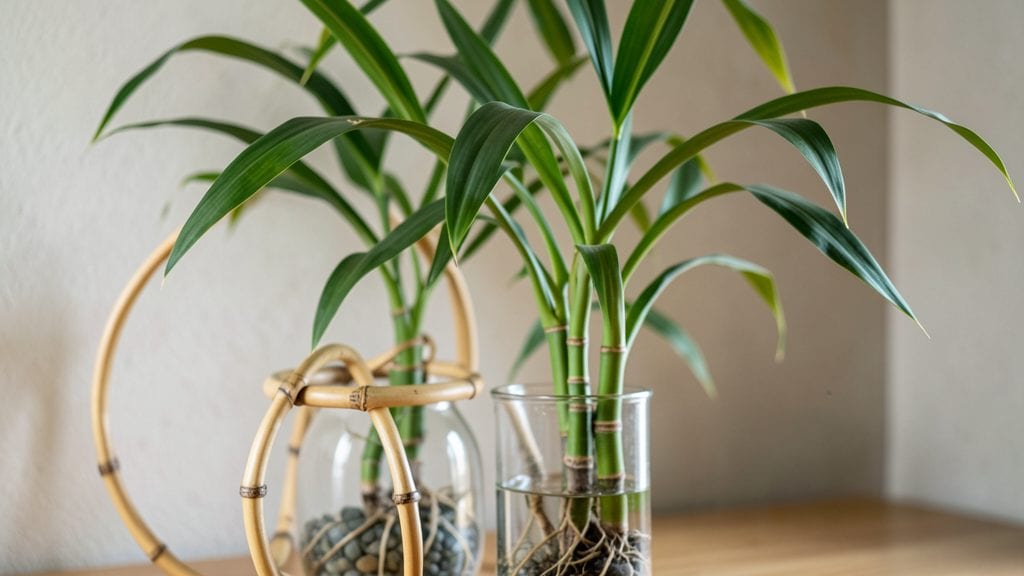
My bamboo hoops garden transformed a dull corner into a lush vertical harvest. 🌱 The moment I saw how quickly vines climbed these simple structures, I knew they’d be a game-changer for small spaces. No more flat, wasted ground—just a living wall of greenery that produces food and beauty.
You’ll need just a few supplies: 3-4 foot bamboo hoops, chicken wire or twine for securing, and sturdy stakes to anchor them. The best part? You can bend them into arches, lean them against fences, or even stack them for a tiered look.
Perfect for beans, peas, cucumbers, or even flowers like morning glories.
By midsummer, your hoops will be draped in vibrant foliage, and you’ll be harvesting fresh produce right from your living trellis. The vertical space multiplies your garden’s potential without taking up extra room. Plus, the natural look blends seamlessly into any garden style.
Works for urban balconies, cottage gardens, or even modern minimalist spaces. Whether you’re growing food or flowers, these hoops make it effortless. Let’s get those vines climbing!
📚 In This Guide
- What you need
- Instructions
- Tips and common mistakes
- Wrapping up and next steps
What you need
- ● Bamboo hoops – 6–12 hoops (diameter: 12–18 inches, height: 3–4 feet). Choose untreated, natural bamboo for durability.
- ● PVC pipes or wooden stakes – 6–12 pieces (1-inch diameter, 4–5 feet long) to secure hoops vertically.
- ● Twine or zip ties – 1–2 rolls (for tying hoops to stakes). Opt for biodegradable twine for eco-friendliness.
- ● Garden twine or wire – 1–2 spools (to connect hoops horizontally, spacing them 12–18 inches apart).
- ● Climbing plants – Seeds or seedlings of vines like cucumbers, beans, peas, or morning glories.
- ● Potting soil or compost – 1–2 bags (high-quality, well-draining mix for containers or in-ground planting).
- ○ Containers or raised beds – Optional but helpful (5–10 gallon pots or a long, shallow bed for root support).
- ● Measuring tape – For spacing hoops evenly.
- ● Scissors or wire cutters – For trimming twine or wire.
- ● Post-hole digger or shovel – If planting stakes directly into the ground.
- ○ Drill (optional) – For pre-drilling holes in hoops if securing with screws.
- ● Gloves – To protect your hands while assembling.
- ● Decorative paint or stain – For a polished look (use non-toxic, plant-safe options!).
- ● Drip irrigation kit – To automate watering for your vertical garden.
- ● Trellis netting – For added support if vines get heavy.
- ● Solar-powered lights – To highlight your garden at night!
Step-by-Step instructions for building a bamboo hoops garden
Here's how to create a sturdy, attractive vertical garden using simple bamboo hoops.
🪴 Step 1: Gather and Prepare Your Bamboo Hoops
Start by selecting 4-6 bamboo hoops (typically 12-18 inches in diameter) for your garden. If they're pre-made, skip ahead—if not, you'll need bamboo poles (about 2-3 feet long) and twine or zip ties to form the hoops. Bend the poles into circles, securing the ends tightly with twine or zip ties, leaving a small gap for easy installation.
Here's the thing—bamboo hoops work best when spaced 12-18 inches apart along a sturdy frame. I use wooden dowels or PVC pipes as vertical supports, sliding the hoops onto them like donuts on a stick. If you're attaching them to a fence or wall, pre-drill holes and secure with galvanized screws for long-term stability.
🌱 Step 2: Assemble the Vertical Frame
Build your frame by connecting the hoops horizontally with wooden slats or lattice strips, spaced 6-8 inches apart. This creates a grid where vines can weave between hoops. For a free-standing structure, anchor the base to the ground with stakes or concrete footings—bamboo hoops aren’t heavy, and wind can topple them if not secured.
I like to angle the frame slightly (about 10-15 degrees) to encourage vines to climb upward naturally. If you're attaching to a fence, space the hoops 18-24 inches apart for better airflow and easier maintenance. Test the stability by gently shaking the frame—it should hold firm without wobbling.
☀️ Step 3: Install Netting or Twine for Vine Support
Wrap jute twine or garden netting around each hoop in a spiral pattern, leaving 3-4 inches of space between wraps. This gives vines something to grip as they grow. For a cleaner look, use brown twine—it blends in better than white. If you're growing heavy vines like pole beans or cucumbers, add an extra layer of netting for extra support.
Here’s where it gets fun—tie the twine to the bottom of each hoop and let it drape down slightly. This gives seedlings something to latch onto immediately. If you’re planting fast-growing vines like morning glories, pre-wind the twine loosely so they can climb right away. Avoid stretching it too tight—vines need room to twist and grow.
💧 Step 4: Plant and Train Your Climbing Vines
Use the 4 planting pockets (one per hoop) to tuck in seedlings or cuttings of your chosen vines. For best results, plant fast-climbing varieties like cucumbers, pole beans, or clematis—they’ll fill the hoops quickly. Water deeply right after planting to settle the roots, then keep the soil evenly moist (not soggy) until the vines establish.
As the vines grow, gently weave them through the twine every few days. You’ll see them curl around the twine naturally, but a little guidance helps them reach the top faster. If a vine starts to sag, tie it loosely to the twine with a soft plant tie—never pull it tight, or you’ll damage the stems.
✂️ Step 5: Maintain and Harvest Your Vertical Garden
Once your vines are established, prune regularly to encourage bushier growth. Pinch back the tips of cucumbers or beans when they reach the top of the hoops—this redirects energy to producing more fruit. For flowering vines like morning glories or sweet peas, deadhead spent blooms to keep them flowering all season.
Harvest when vines are fully mature—pick beans when pods are firm, cucumbers when small, and flowers when buds are just opening. A well-maintained bamboo hoop garden can produce up to 40% more yield than ground-level planting because vines get better sunlight and airflow. Just watch for pests like aphids or spider mites—spray with neem oil if you spot them early.
Tips & tricks for perfect bamboo hoops garden
Between us, these little details make all the difference between a flimsy structure that falls apart and a thriving vertical garden that produces like crazy.
Support System: When you're spacing those 12-18 inch hoops in Step 1, don't just eyeball it—use a tape measure. The 12-18 inch spacing along your frame creates the perfect balance between vine support and airflow. Too close, and your vines will compete for sunlight; too far, and they'll flop over. I like to mark my spacing with a pencil on the support dowels before attaching anything—saves time and frustration later.
Angle Matters: That 10-15 degree angle in Step 2 isn't just decorative—it's what gets your vines climbing upward naturally. If you're attaching to a fence, you can actually increase this to 20 degrees for even better upward growth, but don't go beyond that or you'll risk toppling. For free-standing structures, keep it at 10-15 degrees and test stability by gently pushing the frame—it should feel rock-solid, not wobbly.
Twine Technique: When wrapping your jute twine or garden netting in Step 3, think of it like wrapping a present—you want it tight enough to hold but loose enough to breathe. That 3-4 inch spacing between wraps gives vines room to curl and grip naturally. For heavy vines like cucumbers, double up the twine but leave extra space—think "swiss cheese" texture, not solid coverage. And here's a pro move: leave the bottom 6 inches of twine completely loose so seedlings can latch onto it immediately.
Planting Hack: Those 4 planting pockets in Step 4 are your secret weapon. Instead of just tucking in seedlings, create little "pockets" by folding the twine downward at each hoop. This gives roots immediate support and prevents seedlings from blowing away. For fast climbers like morning glories, I actually pre-plant them 2 inches deeper than recommended—the extra root mass helps them establish faster on the trellis.
Pro Tips for Bamboo Hoops Garden
- Between us, these little details make all the difference between a flimsy structure that falls apart and a thriving vertical garden that produces like crazy.
- Support System: When you're spacing those 12-18 inch hoops in Step 1, don't just eyeball it—use a tape measure.
- Angle Matters: That 10-15 degree angle in Step 2 isn't just decorative—it's what gets your vines climbing upward naturally.
Frequently asked questions
Got questions about creating your own bamboo hoops garden? Here are some of the most common ones—and their practical answers!
How deep should I bury the bamboo hoops for stability?
Bury the hoops 6–12 inches deep, depending on your soil type. Loose or sandy soil? Go deeper (up to 18 inches) for extra support. For heavier clay soil, 6–8 inches is usually enough. Pro tip: Angle the hoops slightly (like a "V") for wind resistance!
When is the best time to plant vines in a bamboo hoop trellis?
Plant in early spring (after the last frost) or late summer for warm-climate vines. Cool-season plants (like peas) thrive in fall or early spring. Give vines 4–6 weeks to establish roots before heavy growth—this prevents hoops from toppling!
Can I reuse bamboo hoops from year to year, or do they degrade?
Yes! With proper care, bamboo hoops last 3–5 years. Store them in a dry place during winter, and avoid leaving them buried (rotting risk). For longevity, seal the ends with non-toxic wood preservative or line hoops with plastic mesh.
What are some low-maintenance vine alternatives to traditional cucumbers or beans?
Try these hardy, fast-growing options:
- Pole beans (dwarf varieties like ‘Kentucky Wonder’)
- Malabar spinach (heat-tolerant, edible leaves)
- Nasturtiums (edible flowers + pest-repellent)
- Sweet peas (fragrant, early blooms)
My hoops are leaning—how do I fix them without removing the vines?
Reinforce with stakes or guy wires:
- Drive a T-post beside the hoop and tie it with twine or zip ties.
- For windy areas, use 3–4 wires (top, middle, bottom) anchored to stakes.
- Prevention tip: Space hoops 3–4 feet apart and bury them at a 15° angle for natural stability.
Wrapping up and next steps
Transforming your garden with a bamboo hoops garden isn’t just creative—it’s a game-changer for space, productivity, and beauty! 🌱 Whether you’re a beginner or a seasoned gardener, these versatile trellises open doors to lush vertical harvests and stunning greenery.
Ready to elevate your gardening game? Start small—try a single hoop with your favorite climbing vine, or go big with a full vertical garden system. The earth (and your plants) will thank you!
Next step: Gather your materials, pick your plants, and let nature climb! 🌿