Pests
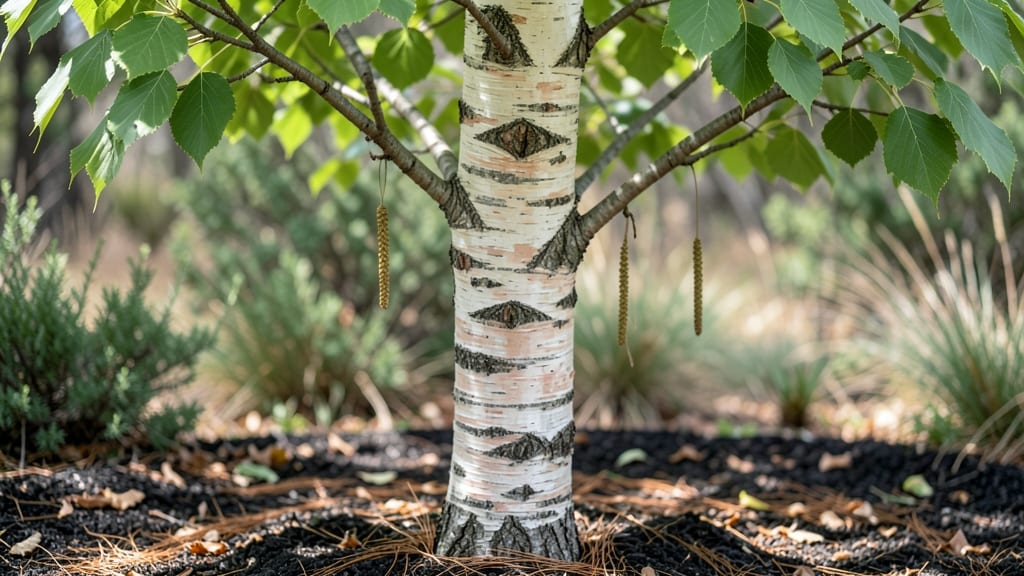
Dealing with bark in garden soil requires removing it through raking, breaking up compacted areas, and amending with compost or sand to fix drainage and nutrient levels. Leaving bark mulch in soil too long can starve plants of nitrogen and mess with their growth.
When you notice bark breaking down in your garden beds, it’s not just an eyesore—it’s a sign your soil’s health is at risk. 🌱 Bark mulch decomposes into a thick, carbon-rich layer that hogs nitrogen from the soil, leaving plants hungry for the nutrients they need to thrive.
This imbalance shows up first in slower growth and yellowing leaves, especially in heavy feeders like tomatoes or peppers. The good news? Removing it and adding nitrogen-rich compost or well-rotted manure can turn your soil back into a plant powerhouse in just a few weeks.
Think of it like hitting the reset button on your garden’s foundation. The key is acting fast—once bark starts breaking down into that spongy, sawdust-like texture, it’s already stealing nutrients from your plants.
For acid-loving plants like blueberries, this might not be as critical, but for most vegetables and flowers, that nitrogen depletion can be a real showstopper.
Pro tip: If you’re dealing with a large area, consider renting a soil aerator to speed up the process and get those roots breathing easy again.
💡 In This Article
- Why Bark Mulch in Soil Causes Plant Problems
- Best Soil Amendments After Removing Bark Mulch
Why bark mulch in soil causes plant problems
Here's what's actually happening when bark breaks down in your garden: it triggers a nitrogen starvation effect. Bark is high in carbon but nearly devoid of nitrogen, creating what soil scientists call an "immature compost" scenario.
When microorganisms decompose the bark, they consume available nitrogen in the soil to break it down—up to 10 times more nitrogen than the bark itself provides. This leaves your plants competing for what's left, often resulting in stunted growth or yellowing leaves, especially in nitrogen-hungry crops like tomatoes or corn.
The physical impact is equally problematic. Fresh bark mulch has a coarse, fibrous texture that improves drainage when applied correctly on the surface. But when mixed into soil, it creates a mat-like layer that disrupts root penetration and water absorption.
Studies show soils with decomposed bark can have 30% less porosity than healthy garden soil, making it harder for roots to access moisture and nutrients. The worst part? This effect persists for years because bark decomposes extremely slowly—some types take 5-7 years to fully break down.
What most people don't realize is how bark affects soil pH differently depending on plant types. Acid-loving plants like azaleas or rhododendrons actually benefit slightly from bark's gradual acidification (pH drop to 5.5-6.0).
However, for most vegetables and flowers that prefer neutral soil (pH 6.0-7.0), the prolonged decomposition can create micro-zones of acidity around roots, inhibiting nutrient uptake. The key factor here is timing—bark should only stay in soil for 1-2 seasons max before removal, especially in vegetable gardens.
Consider these chemical shifts when evaluating your plants' needs:
- Nitrogen depletion: Can reduce available nitrogen by up to 40% during active decomposition
- Carbon-to-nitrogen ratio: Bark has a C:N ratio of 500:1 (vs. ideal compost's 25:1), creating microbial imbalance
- pH impact: Hardwood bark lowers pH by 0.5-1.0 units over 2 years
The visual clues are often subtle at first. You might notice plants developing purplish stems (a phosphorus deficiency symptom caused by nitrogen starvation) or smaller than usual leaves with jagged edges. In severe cases, roots become matted and gnarled from poor soil structure.
The irony? Bark is excellent as a surface mulch (where it protects soil moisture and suppresses weeds) but becomes problematic when tilled into garden beds.
For gardeners with acid-loving plants, the solution is different: instead of removing bark, you might top-dress with pine needles (which have a C:N ratio of 80:1) and monitor pH annually.
The key takeaway is understanding bark's dual nature—it's either your garden's protective blanket or its slow-acting time bomb, depending on how you use it. 🌿