
Advice
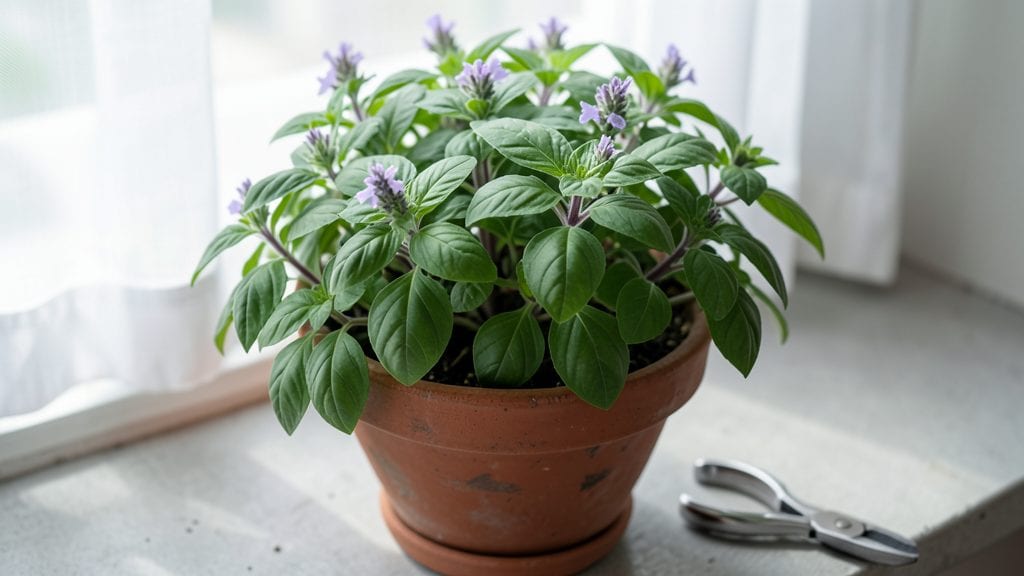
With these basil gardening tips, you’ll transform tiny sprouts into fragrant harvests in just 6 weeks—simpler than you think! The key isn’t fancy tricks but matching basil’s Mediterranean roots to your growing conditions, whether that’s a sunny windowsill or a backyard plot.
I’ve grown basil in every season, and the secret lies in warmth, consistent moisture, and knowing exactly when to pinch those leaves.
You’ll need just 3 supplies: a container with drainage, well-draining potting mix, and a spot with at least 6 hours of sunlight daily. Basil hates soggy roots, so I water when the top inch feels dry—never on a schedule.
The first harvest comes in about 8 weeks from seed, and if you keep pinching the top leaves, your plant will stay bushy and productive for months. Even my black thumb can’t kill these with this method.
📚 In This Guide
- What you need
- Instructions
- Tips and common mistakes
- Wrapping up and next steps
What you need
- ● Basil seeds or seedlings: Choose sweet basil, Thai basil, or purple basil—start with 3–5 plants for a small harvest.
- ● Containers (if not gardening in-ground): 5–7-inch pots (per plant) with drainage holes (terracotta or fabric pots work best).
- ○ Optional: Hanging baskets (for vertical gardening) or a raised bed (if growing multiple plants).
- ● Potting mix: Well-draining, lightweight soil (e.g., 50% potting mix + 50% perlite or coconut coir). Avoid garden soil—it’s too dense!
- ● Fertilizer: Balanced liquid fertilizer (e.g., 10-10-10) or compost tea (diluted to half-strength).
- ○ Optional: Slow-release granules (follow package instructions).
- ● Watering can or spray bottle: Basil hates soggy roots—a gentle sprayer helps avoid overwatering.
- ● Pruning shears: Sharp, clean scissors (sterilize with rubbing alcohol between cuts).
- ● Sunlight: 6–8 hours of full sun daily (south-facing windows or outdoor spots).
- ● Temperature: Ideal range: 70–80°F (21–27°C). Basil bolts (goes to seed) in heat over 90°F (32°C).
- ● Humidity: Moderate to high (mist leaves if air is dry, especially indoors).
- ● Space: 12–18 inches apart if planting multiple basil in-ground.
- ● 🌿 Test your soil’s pH: Basil thrives in 6.0–7.0 (use a cheap pH kit if unsure).
- ● 🌱 Companion plants: Grow near tomatoes or peppers—they love the same conditions!
- ● 🔄 Rotate pots: If indoors, turn pots weekly for even sunlight exposure.
Instructions for cultivating healthy, productive basil plants
Here’s the straightforward approach I’ve used for years to grow basil that stays lush, pest-free, and ready for harvest all season long.
Choose the Perfect Location for Sun and Airflow
Basil thrives in full sun, meaning 6-8 hours of direct sunlight daily. A south-facing window or a spot just a few feet from your home’s southern exposure works best. If you’re growing outdoors, avoid shaded corners—basil will stretch toward light and become weak. I’ve seen leggy basil in just a week when moved to partial shade.
Airflow matters just as much as sun. Crowded plants develop fungal issues like powdery mildew, so space your basil 12-18 inches apart. If growing in containers, place them where breezes can circulate—even a small fan on low helps prevent stagnant air. Watch for leaves touching each other; that’s when problems start.
Plant at the Right Depth and Water Consistently
Sow seeds ¼ inch deep or transplant seedlings so the soil line sits just below the pot’s rim. Basil roots are shallow, so deeper planting slows growth. Use the 3 gallons of potting mix to fill containers to within 1 inch of the top—this prevents soil splashing onto leaves when watering.
Water when the top inch of soil feels dry to the touch. Basil hates soggy roots but wilts fast if dried out. I water deeply in the morning, letting excess drain completely. Yellowing leaves often mean overwatering, while crisp edges signal underwatering. A moisture meter helps, but your finger works just as well.
Fertilize Lightly and Prune for Bushier Growth
Use ½ teaspoon of balanced liquid fertilizer (10-10-10) mixed into 1 gallon of water every 3-4 weeks starting when plants reach 6 inches tall. Too much fertilizer burns roots, while too little results in pale, weak stems. I swear by organic options like fish emulsion—basil responds better than to synthetic blends.
Pinch off the top set of leaves when the plant has 4-6 pairs of true leaves. This encourages branching, giving you more harvests. Don’t snip more than ⅓ of the plant at once, or you’ll shock it. Regular pruning also prevents flowering, which makes leaves bitter. Watch for tiny buds forming—remove them immediately.
Protect Against Pests and Harvest Strategically
Inspect leaves weekly for aphids or spider mites. A strong spray of water mixed with a few drops of dish soap dislodges pests without chemicals. I treat basil gently—it’s sensitive to sprays. If you see holes in leaves, it’s likely flea beetles; cover young plants with row fabric until they’re established.
Harvest leaves in the morning after dew dries for peak flavor. Use clean scissors to cut just above a leaf node, encouraging new growth. Never take more than ⅓ of the plant at once, or you’ll stunt it. I harvest every 2-3 weeks, and my plants stay compact and productive. Avoid harvesting flowers—let one or two bloom for pollinators, then snip them off.
Extend the Season with Simple Adjustments
Basil bolts (goes to seed) when days shorten in late summer. To delay this, move pots to a shadier spot or indoors near a bright window. I’ve kept basil growing through fall by reducing water slightly—drier conditions slow bolting. If frost threatens, harvest leaves and strip stems for pesto before the first 32°F night.
For overwintering, trim plants back by half, repot if needed, and place in a cool (50-60°F) window. Reduce watering to once every 10-14 days—overwatering in winter kills basil faster than cold. With care, you’ll have fresh basil ready for spring planting.
Tips & tricks for thriving basil plants
Here's what I've learned after years of growing basil that stays vibrant and productive with minimal effort.
Sunlight Strategy: The 6-8 hours of direct sunlight in Step 1 is non-negotiable, but timing matters just as much. Position your basil to receive morning sun first—this helps prevent afternoon wilting. In containers, rotate pots weekly to ensure even exposure. I've noticed plants grown with morning sun develop more intense flavors compared to those receiving only afternoon light.
Pruning Precision: When you pinch those top leaves in Step 3, aim for just above a leaf node where new growth emerges. This encourages bushier growth rather than leggy stems. I always use clean scissors to avoid spreading disease—sterilize them with rubbing alcohol between plants. The key is consistency: regular pruning prevents flowering and keeps your basil productive for months.
Watering Wisdom: The top inch soil test in Step 2 works perfectly, but I've found that watering in the morning gives roots time to absorb moisture before evening. Never let basil sit in saucers of water—this causes root rot. I've seen plants recover from underwatering but never from soggy roots. For container growers, ensure pots have drainage holes to prevent waterlogging.
Season Extension: When temperatures drop toward 32°F, don't panic—basil can handle brief cold snaps surprisingly well. I've kept plants thriving through early fall by moving them to sheltered spots. The 50-60°F window for overwintering is ideal, but remember that basil needs less water in cooler conditions. Reduce to once every 10-14 days and watch for signs of stress like yellowing leaves.
Pro Tips for Basil Gardening Tips
- Here's what I've learned after years of growing basil that stays vibrant and productive with minimal effort.
- Sunlight Strategy: The 6-8 hours of direct sunlight in Step 1 is non-negotiable, but timing matters just as much.
- Pruning Precision: When you pinch those top leaves in Step 3, aim for just above a leaf node where new growth emerges.
Frequently asked questions
Growing basil is rewarding, but beginners (and even seasoned gardeners!) often have questions. Here’s a quick guide to the most common ones—so you can keep your plants happy and thriving with zero fuss.
How often should I water my basil plants?
Basil loves moisture but hates soggy roots. Water when the top 1 inch of soil feels dry—usually every 2–3 days in warm weather. Use a spray bottle for seedlings to avoid disturbing them, and ensure pots have drainage holes to prevent root rot. Pro tip: Morning watering reduces evaporation and fungal risks!
When is the best time to harvest basil?
Harvest basil early and often to encourage bushier growth! Pinch off the top leaves (above a pair of leaves) when the plant is 6–8 inches tall. Avoid harvesting more than 1/3 of the plant at once—this keeps it productive. For maximum flavor, harvest in the morning after dew has dried.
Why are my basil leaves turning yellow or curling?
Yellow leaves often signal overwatering or nutrient deficiency. Check soil moisture first—let it dry slightly between waterings. Curling leaves may mean pests (like aphids or spider mites) or heat stress. Spray with neem oil or insecticidal soap for pests, and provide afternoon shade in hot climates.
Can I grow basil indoors without sunlight?
Yes! Basil thrives indoors with 6+ hours of bright light daily. Place it near a south-facing window or use a grow light (12–16 hours/day). Rotate the pot weekly for even growth. If leaves stretch (called etiolation), it’s a sign of insufficient light—adjust immediately!
What’s the best way to revive wilted basil?
Wilting usually means underwatering or root stress. Trim any mushy roots, repot in fresh, well-draining soil, and water thoroughly. Place the plant in indirect light for a few days to recover. If the stems are still firm, it’ll bounce back! For severe cases, propagate cuttings in water—basil roots easily.
Wrapping up and next steps
Growing basil is easier than you think—just remember sunlight, water, and a little love! With the right soil, spacing, and occasional pruning, you’ll enjoy a bountiful harvest of fresh, fragrant leaves in no time.
Whether you’re a beginner or a seasoned gardener, these zero-fuss tips will help you cultivate thriving basil plants that’ll elevate every dish.
Now that you’re armed with knowledge, grab your gloves and get planting! Start small with a few pots or a dedicated garden bed, and soon you’ll be harvesting basil like a pro. Happy gardening—your kitchen (and taste buds) will thank you! 🌿✨