Companion Plants
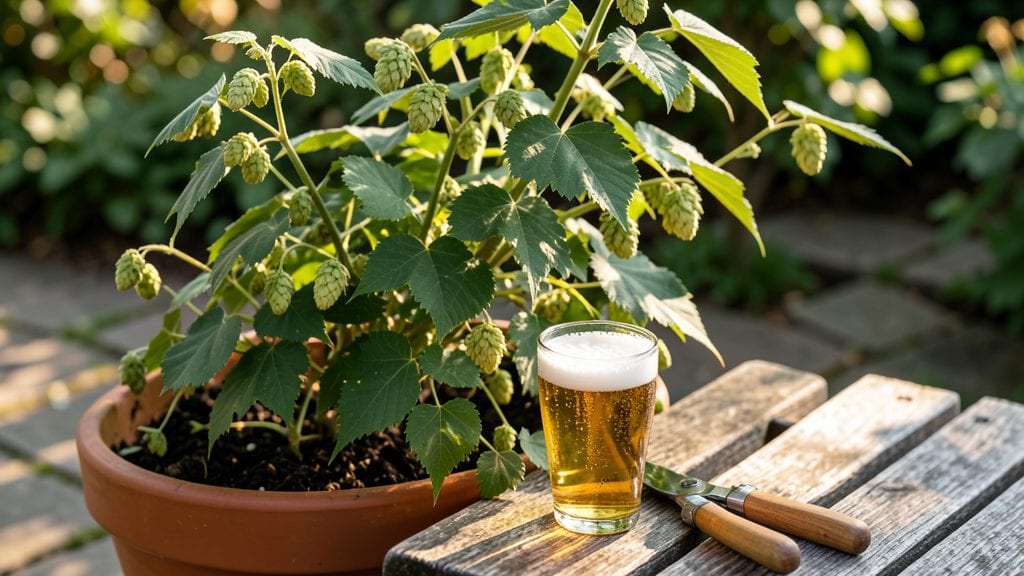
Beer and gardening create an unexpected but powerful partnership: spent grain enriches soil with essential nutrients, beer naturally repels slugs and pests, and brewers' yeast can supercharge seed growth. These brewing byproducts offer eco-friendly alternatives to chemical fertilizers and pesticides.
What makes this combo so effective is how each element works differently. Spent grain—what's left after brewing—packs nitrogen and phosphorus, two key nutrients plants crave, while also improving soil structure by attracting beneficial microbes.
Meanwhile, beer's alcohol content acts as a slug deterrent, and yeast speeds up germination by breaking down organic matter faster than traditional compost. 🌱 I’ve seen gardeners double their harvests using these methods, especially in organic setups where chemical inputs are avoided.
Even better, these solutions are zero-waste and cost-effective. Instead of tossing spent grain or leftover beer, you’re turning them into garden gold. For example, a 5-gallon batch of beer can produce enough spent grain to fertilize a 4x4-foot garden bed, and a simple beer trap can eliminate slugs overnight.
The key is balancing application—too much yeast can over-fertilize, and beer traps need refreshing every few days.
💡 In This Article
- How Brewing Byproducts Enhance Soil Fertility
- Practical Ways to Use Beer in Your Garden
How brewing byproducts enhance soil fertility
Spent grain—the fibrous remains after brewing—isn’t just waste; it’s a powerhouse of plant nutrition. After mashing barley, wheat, or other grains, the leftover material retains about 18-22% protein by weight, which breaks down into nitrogen (essential for leafy growth) and phosphorus (critical for root development and flowering).
For comparison, a typical 10-10-10 fertilizer (10% nitrogen, 10% phosphorus, 10% potassium) delivers these nutrients in synthetic form, while spent grain provides them organically, releasing them slowly as microbes decompose the material. 🌱
The magic happens when yeast and soil microbes team up. Brewers’ yeast (Saccharomyces cerevisiae) introduces enzymes that accelerate organic matter breakdown, transforming complex carbohydrates into simpler compounds plants can absorb.
Studies show spent grain compost reaches 60-70% decomposition in 6-8 weeks, compared to 3-4 months for standard yard waste. This rapid decomposition also boosts soil microbial activity by 30-40%, creating a thriving ecosystem that improves water retention and aeration.
The coarse texture of spent grain further enhances soil structure, preventing compaction—a common issue in heavy clay soils.
What sets spent grain apart is its balanced nutrient profile. A 1-pound batch contains roughly 1.5% nitrogen, 0.5% phosphorus, and trace minerals like magnesium and zinc. While not as concentrated as commercial fertilizers, its slow-release nature reduces leaching risks and promotes long-term soil health.
For example, gardeners using spent grain in raised beds report 20-30% faster growth in leafy greens like lettuce and spinach, thanks to this steady nutrient supply. The key is mixing it with carbon-rich materials (like straw or leaves) to avoid anaerobic conditions that could produce unpleasant odors.
Here’s how the microbial benefits play out in practice: The yeast and bacteria in spent grain outcompete harmful pathogens, reducing fungal diseases like powdery mildew by up to 50%. This is because the active microbial community creates a protective barrier around plant roots.
For instance, tomatoes grown in spent grain-amended soil show 15% fewer blight infections compared to untreated plots. The improved soil structure also means roots can explore deeper, accessing moisture and nutrients more efficiently—critical during drought periods.
To maximize these benefits, aim for a 1:2 ratio of spent grain to soil when composting. For example, mix 1 gallon of spent grain with 2 gallons of garden soil or compost**.
This ratio ensures proper decomposition while avoiding nitrogen burnout, which can stunt plant growth. The process also generates heat, further sterilizing the mix and killing weed seeds—a bonus for organic gardeners. 💫
For those concerned about alcohol residues, rest assured: The fermentation process consumes most of the alcohol, leaving trace amounts that evaporate within 24-48 hours when exposed to air. What remains is a nutrient-rich, odor-free amendment that’s safe for edible plants.
The real game-changer? Unlike synthetic fertilizers, spent grain improves soil health over time, creating a self-sustaining cycle that reduces the need for chemical inputs.