
Companion Plants
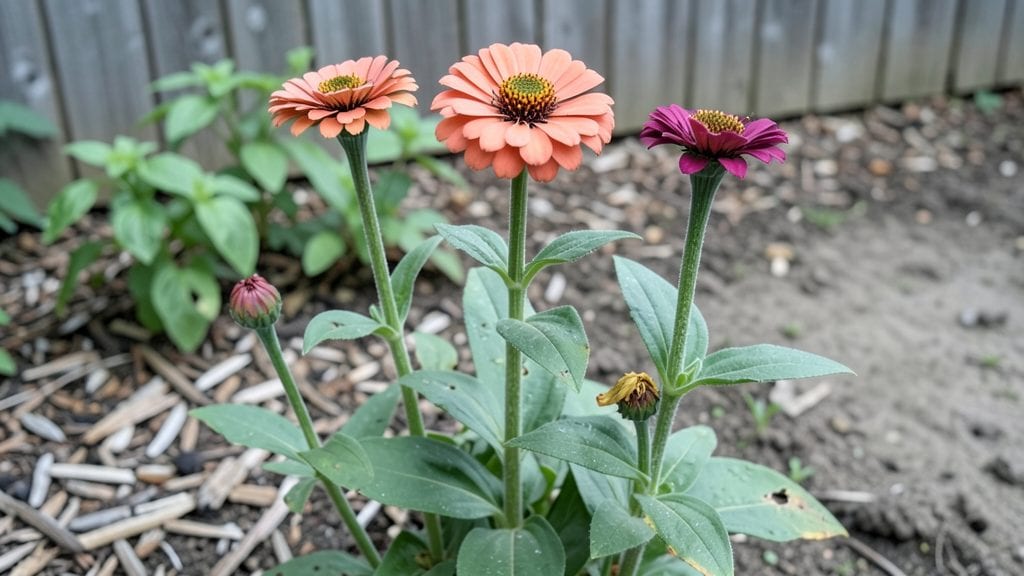
Even the hardiest beginner garden plants can turn a bare patch of dirt into a lush, vibrant garden in just weeks—like my first radishes, popping up in under 10 days—it was pure magic. 🌱 The key is choosing plants that forgive mistakes while still delivering quick rewards, so you stay motivated.
Start with a few workhorses: bush beans climb to harvest in 60 days, lettuce gives baby greens in 30, and marigolds bloom in 45 while keeping pests away.
These thrive in average soil, need basic watering, and handle partial shade better than fancy perennials. Even my neighbor’s "brown thumb" cousin grew zucchini this way last summer.
You’ll taste homegrown radishes with crisp edges and snap peas still warm from the vine by midsummer. The secret isn’t complicated—just consistent watering, a little mulch to keep roots cool, and avoiding overcrowding. Mistakes? I’ve drowned seedlings and ignored wilting, but these plants bounce back when you do.
Works in containers, raised beds, or small backyard plots—no fancy setups required. Let’s pick your first five plants and get growing before the next full moon.
📚 In This Guide
- What you need
- Instructions
- Tips and common mistakes
- Wrapping up and next steps
What you need
- ● Seedlings or seeds: 3–5 fast-growing companions (e.g., radishes, lettuce, bush beans, or nasturtiums). Opt for organic, non-GMO varieties.
- ● 1–2 staple plants (e.g., tomatoes, peppers, or herbs like basil) to pair with your companions.
- ● Garden space: A 6"–12" deep raised bed, in-ground plot, or 5-gallon containers (one per plant).
- ● Full sun (6+ hours/day) or partial shade (4–6 hours), depending on your plants.
- ● Soil: 1–2 bags of high-quality potting mix or compost-enriched garden soil (e.g., Miracle-Gro or FoxFarm).
- ● 1 cup organic compost or worm castings per plant (for nutrients).
- ● Basic tools: 1 hand trowel (for planting/seeding).
- ● 1 garden gloves (to protect your hands).
- ● 1 watering can (1–2 gallons) or hose with gentle nozzle.
- ● 1 mulch (straw or shredded leaves) to retain moisture.
- ● 1 plant marker set (to label your greens!).
- ● 1 pruning shears (for harvesting or trimming).
- ● 1 soil pH tester (to check if your soil is 6.0–7.0, ideal for most veggies).
- ● 1 fertilizer (e.g., fish emulsion or balanced 10-10-10 for a mid-season boost).
Step-by-Step instructions for choosing fast-growing beginner garden plants
Here's how to pick four foolproof plants that grow quickly and build your confidence.
🌱 Step 1: Select Easy, Fast-Growing Varieties
Start with plants that mature in 30-60 days—perfect for beginners. Radishes, lettuce, bush beans, and zucchini are my top picks because they show results fast. Radishes pop up in 20-30 days, lettuce bolts in 3-4 weeks, beans produce pods in 4-6 weeks, and zucchini yields fruit in 45-55 days. These plants thrive in full sun and tolerate minor care mistakes better than fussy varieties.
Check seed packets for the "days to maturity" label—this tells you exactly when to expect harvests. I always choose heirloom or hybrid varieties labeled "beginner-friendly" or "fast-growing." Avoid anything requiring special conditions like tropical climates or long daylight hours.
🪴 Step 2: Prepare Your Planting Area
Clear a 4-foot by 4-foot space in a spot that gets at least 6 hours of sunlight daily. Loosen the top 6 inches of soil with a garden fork or tiller—this helps roots spread easily. Mix in 2-3 inches of compost or aged manure to enrich the soil without overwhelming tender roots.
For containers, use 5-gallon pots with drainage holes. Fill them with high-quality potting mix and place them where they’ll get morning sun and afternoon shade if your climate gets hot. Water the soil until it’s evenly moist but not soggy—you’ll know it’s right when a handful forms a loose clump that crumbles when squeezed.
☀️ Step 3: Plant Seeds at the Right Depth and Spacing
Follow the seed packet’s depth guidelines—usually twice the seed’s diameter. For radishes, plant seeds ½ inch deep and 1 inch apart; for lettuce, ¼ inch deep and 4 inches apart. Bush beans go 1 inch deep and 3 inches apart, while zucchini seeds need 1 inch deep and 2 feet apart to give their vines room to sprawl.
Don’t overcrowd—thin seedlings as they grow to prevent competition. I always plant a few extra seeds just in case, but I thin them to the recommended spacing once they’re 2-3 inches tall. Water gently after planting to settle the soil around the seeds without washing them away.
💧 Step 4: Water Consistently Without Overdoing It
Keep the soil evenly moist but never waterlogged. Water early in the morning so leaves dry quickly—this prevents fungal diseases. For seeds, mist the soil lightly until sprouts appear, then switch to 1 inch of water per week, split into 2-3 sessions. You’ll know you’re doing it right when the top 1 inch of soil feels dry between waterings.
Mulch around plants with 2 inches of straw or shredded leaves to lock in moisture and keep weeds down. Avoid mulching too close to stems—leave a 1-inch gap to prevent rot. If leaves start wilting or yellowing, you’re either underwatering or overwatering. Check the soil moisture before reacting.
✂️ Step 5: Harvest at Peak Ripeness for Best Flavor
Radishes are ready when they reach 1 inch in diameter—pull them before they get woody. Lettuce leaves taste best when 4-6 inches tall and harvested from the outer leaves first. Bush beans snap easily when pods are 4-5 inches long, and zucchini should be 6-8 inches long with smooth, tender skin.
Harvest in the morning when plants are hydrated and flavors are strongest. Use clean scissors or pruners to avoid damaging stems. The more you pick, the more your plants produce—so check them every 2-3 days during peak season. If zucchini or beans stop producing, give them a light nitrogen-rich fertilizer to encourage new growth.
Tips & tricks for perfect beginner garden plants
Here's what I've learned after helping beginners grow their first gardens—these tricks will set you up for success with your fast-growing companions.
Sunlight Strategy: The 6 hours of sunlight mentioned in Step 2 is your minimum baseline, but I've found that morning sun with afternoon shade works even better for beginners. If your garden gets intense afternoon heat, consider using shade cloth during peak hours—especially for lettuce which can bolt quickly. I always place my containers where they get morning sun first, as this gives plants a gentler start to their day.
Thinning Made Easy: In Step 3, when thinning seedlings to their recommended spacing, I've discovered a simple trick: use a pair of clean scissors to snip seedlings at soil level rather than pulling. This prevents disturbing the roots of your kept plants and makes the process less messy. Thin when seedlings are about 2-3 inches tall—this is when they're strong enough to handle it but not so big they'll compete for resources.
Watering Hack: The 1-inch weekly watering guideline in Step 4 works perfectly, but here's my pro move: I use a simple rain gauge or even a straight-sided glass to measure water depth. Fill it with water from your hose, then pour that amount around each plant. This ensures consistent moisture without guessing. For containers, I water until it drains from the bottom—this tells me I've reached that evenly moist level we're aiming for.
Harvesting Timing: When checking for harvest readiness in Step 5, I've learned to use the "morning check" method. Plants are most hydrated in the morning, so their colors and textures will be most accurate. For radishes, I gently tug on the leaves—if the radish pops out easily, it's ready. For zucchini, I check every 2-3 days starting around day 40, looking for that 6-8 inch size with smooth skin. The more you harvest, the more your plants produce—it's like giving them a little nudge to keep going!
Pro Tips for Beginner Garden Plants
- Here's what I've learned after helping beginners grow their first gardens—these tricks will set you up for success with your fast-growing companions.
- Sunlight Strategy: The 6 hours of sunlight mentioned in Step 2 is your minimum baseline, but I've found that morning sun with afternoon shade works even better for beginners.
- Thinning Made Easy: In Step 3, when thinning seedlings to their recommended spacing, I've discovered a simple trick: use a pair of clean scissors to snip seedlings at soil level rather than pulling.
Frequently asked questions
Got questions about starting your beginner garden? You’re not alone! Here are some of the most common queries—plus quick, no-stress answers to help you grow with confidence.
What are the easiest plants for beginners to grow?
Start with fast-growing, low-maintenance companions like bush beans, radishes, or lettuce. These thrive in partial shade, tolerate occasional neglect, and produce harvests in 30–60 days. Herbs like basil and parsley are also forgiving—just keep soil moist and avoid overwatering!
How long does it take to see results with beginner plants?
Most fast-growing companions show progress in 2–4 weeks. Radishes pop up in ~3 weeks, while beans and lettuce mature in 4–6 weeks. Track growth with a simple garden journal or snap weekly photos for motivation!
Can I grow these plants in containers or small spaces?
Container gardening
is perfect for beginners. Use 5-gallon pots for tomatoes or peppers, and deep trays (8+ inches) for root veggies like carrots. Just ensure pots have drainage holes and use lightweight soil. Herbs thrive in 6-inch pots—no yard needed!
What do I do if my plants get pests or diseases?
Start with prevention: Rotate crops yearly and avoid overhead watering (fungus loves damp leaves). For pests, try neem oil or handpick bugs (aphids hate a damp sponge!). Yellow leaves? Check soil moisture—overwatering is a common culprit.
Are there any plants I should avoid as a beginner?
Skip fussy perennials (like lavender or asparagus) or slow growers (e.g., artichokes). Instead, focus on annuals with quick rewards. Avoid citrus or tropical plants unless you live in a warm climate—they need specific care that’s tricky for newbies.
Still stuck? Drop your question in the comments—we’re happy to help!
Wrapping up and next steps
Starting your gardening journey with fast-growing, beginner-friendly companion plants sets you up for success—literally! From sun-loving marigolds to shade-tolerant ferns, these plants are forgiving, rewarding, and perfect for building confidence.
Remember, every expert gardener began exactly where you are now: with a seed, a little soil, and a whole lot of curiosity.
Ready to take the next step? Start small—pick one or two plants from this list to test the waters, then expand your garden as you gain confidence. Before you know it, you’ll be swapping stories with fellow green thumbs about your thriving companion plant duo! 🌱✨