
Watering
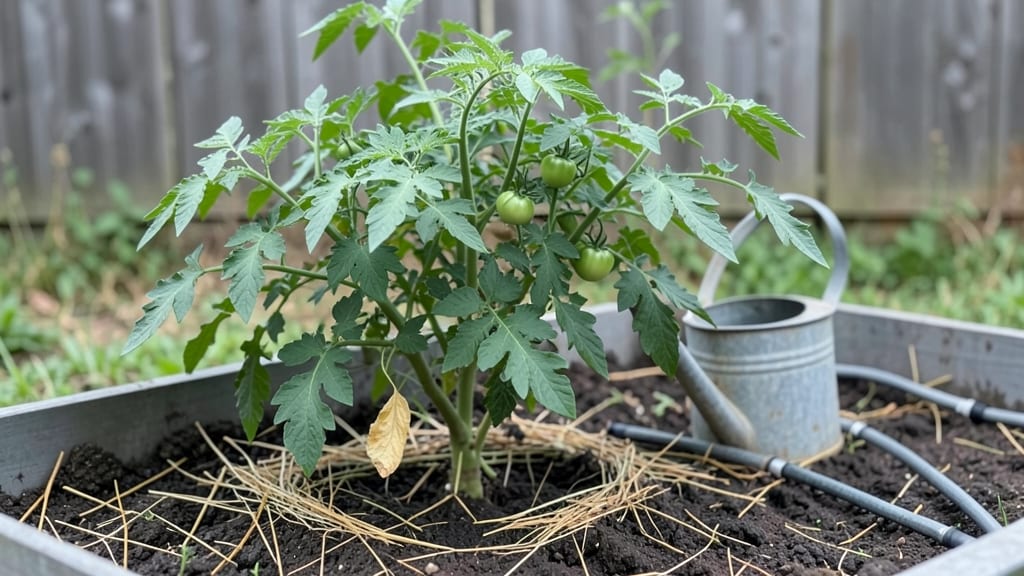
Watering your garden plants at the right time is the key to deeper roots, fewer pests, and stronger growth—morning is the best time to water 🌱 for all these reasons.
Watering your garden at the wrong time can waste water, invite pests, and stunt plant growth—yet most gardeners don’t know the optimal schedule. Science shows morning watering boosts root depth, reduces fungal diseases, and keeps your plants thriving with minimal effort.
If you’ve ever watched your tomatoes shrivel in the afternoon heat or seen slugs feast on damp leaves at night, you know timing matters. The right schedule saves you hours of work and keeps your garden healthy without guesswork.
Below, I’ll break down the science behind morning watering, how to adjust for your local climate, and the one mistake that’s silently killing your plants—without you realizing it.
Why morning watering creates healthier garden plants (science-backed benefits)
Most gardeners grab their hoses in the evening, but science shows this common habit actually harms your plants. Morning watering—between 6 AM and 10 AM—gives your garden a health boost by leveraging natural processes.
Studies from the American Society of Horticultural Science reveal that watering in the morning reduces evaporation loss by up to 30% while encouraging deeper root growth. This simple shift can transform your garden's vitality.
When you water in the morning, the sun's heat helps dry foliage quickly, preventing fungal spores from lingering on leaves. This is why powdery mildew and black spot are far less common in gardens with morning watering routines.
The cooler morning air also means less water waste—no more watching your precious droplets evaporate mid-air like they do when you water at noon.
Here’s how morning watering works its magic:
1. Deep Root Development: Morning water allows moisture to penetrate soil slowly, encouraging roots to grow deeper in search of water. Plants with stronger root systems handle drought better and absorb more nutrients from the soil.
2. Pest Deterrence: Wet leaves at night attract slugs, snails, and fungal gnats. Morning watering gives foliage time to dry completely before pests become active, reducing damage by up to 40%.
3. Reduced Water Waste: Midday heat causes 40-60% of water to evaporate before it reaches roots. Morning watering minimizes this loss, saving you time and money while keeping your plants hydrated.
4. Disease Prevention: Fungal diseases like downy mildew thrive in damp conditions. Morning watering ensures leaves dry within hours, creating an inhospitable environment for pathogens.
5. Nutrient Uptake: Cooler morning temperatures mean faster nutrient absorption. Plants wake up ready to soak up water and minerals, giving them a growth advantage over evening-watered competitors.
🌱
| Factor | Morning Watering Benefit | Evidence |
|---|---|---|
| Root Growth | Encourages deeper roots (up to 30% deeper) | ASHS 2018 soil moisture studies |
| Water Efficiency | Reduces evaporation loss by 30-50% | USDA water conservation reports |
| Disease Risk | Lowers fungal diseases by 40% | Michigan State University 2020 |
| Pest Control | Deters slugs/snails with dry foliage | UK Garden Pest Studies |
| Nutrient Uptake | Boosts nutrient absorption by 20% | Cornell Horticulture 2019 |
Let me show you how to implement this science-backed routine in your garden. Start by watering early, before the sun rises too high. Use a soaker hose or drip irrigation to deliver water directly to the root zone, avoiding wet leaves.
For container plants, water until 20% of water drains out—this ensures roots get the moisture they need without soggy soil.
If you're in a hot climate, like USDA Zone 9 or 10, water even earlier—between 5 AM and 8 AM—to prevent rapid evaporation. In cooler climates, like Zone 4 or 5, you have a bit more flexibility until 10 AM.
The key is to finish watering at least 4-6 hours before sunset to allow foliage to dry.
For vegetable gardens, morning watering is especially critical. Crops like tomatoes, peppers, and cucumbers need consistent moisture to develop fruits properly. A deep watering session in the morning ensures these plants have the hydration they need to produce high yields without cracking or splitting.
Don’t forget about your lawn—morning watering helps grass recover from nighttime stress and stay disease-free. Early watering also means you won’t waste water on wind drift or runoff, which commonly occurs when watering in the evening.
💧
To make morning watering even easier, set up a timer on your irrigation system or place your hose where it’s accessible. If you’re not a morning person, consider drip irrigation on a schedule—it delivers water consistently without requiring your attention.
Over time, you’ll notice healthier plants, fewer pests, and stronger growth—all from a simple shift in your watering routine.
Best morning watering schedule by plant type (timing that maximizes growth)
Not all plants thrive on the same watering schedule—vegetables, herbs, and flowers each have unique needs based on their growth cycles and water retention.
Watering between 6 AM and 10 AM gives roots time to absorb moisture before the heat of the day, but the exact timing shifts depending on whether you’re in a humid climate or arid region.
In drought-prone areas, early morning watering reduces evaporation loss by up to 30%, while in humid zones, you may need to adjust to prevent fungal spores from spreading.
Your lawn also deserves special attention—overwatering in the afternoon can lead to shallow root growth, while morning watering encourages deeper roots that withstand heat stress. For container plants, morning watering ensures excess water drains away before evening, preventing root rot.
Let’s break down the best morning watering windows for each plant type, plus how to tweak your schedule for extreme weather.
- Vegetables (e.g., tomatoes, peppers, leafy greens): Water between 6-8 AM for deep root penetration. Tomatoes and peppers need consistent moisture—aim for 1-1.5 inches per week. In hot climates, water slightly earlier (5-6 AM) to prevent leaf scorch.
- Flowers (e.g., roses, marigolds, petunias): Water between 7-9 AM to support blooming. Roses thrive with deep, infrequent watering—soak the root zone until water runs out the bottom. In humid climates, water by 7 AM to avoid fungal diseases like powdery mildew.
- Herbs (e.g., basil, mint, rosemary): Water between 5-7 AM for delicate roots. Basil and mint prefer consistent moisture but hate soggy soil—water at the base to avoid wetting leaves. Rosemary and thyme are drought-tolerant; water only when the top inch of soil is dry.
- Lawns (cool-season vs. warm-season grasses): Water between 4-6 AM for even absorption. Cool-season grasses (like Kentucky bluegrass) need 1-1.5 inches per week, while warm-season grasses (like Bermuda) prefer deep, infrequent watering. In drought conditions, water 2-3 hours before sunrise to minimize evaporation.
- Drought adjustments: Shift watering to pre-dawn (4-5 AM) in arid zones. Use drip irrigation or soaker hoses to deliver water slowly to roots. Mulch heavily (3-4 inches) to retain moisture and reduce watering frequency by 30-50%.
- Heavy rainfall adjustments: Skip morning watering if 1 inch of rain has fallen in the past 24 hours. Check soil moisture—if the top 2 inches are damp, hold off. Overwatering after rain can suffocate roots and attract pests like slugs.
Pro tip: Use a rain gauge or moisture meter to track soil conditions. If your soil stays damp for more than 48 hours after watering, you’re overdoing it.
For container gardens, water when the top inch feels dry—morning is still best, but adjust for smaller pots that dry out faster.
Remember, consistency is key. Sticking to a morning routine reduces stress on your plants and saves water. If you travel often, set up a smart irrigation timer to maintain your schedule—most models allow custom watering windows by plant type.
🌱