
Landscaping
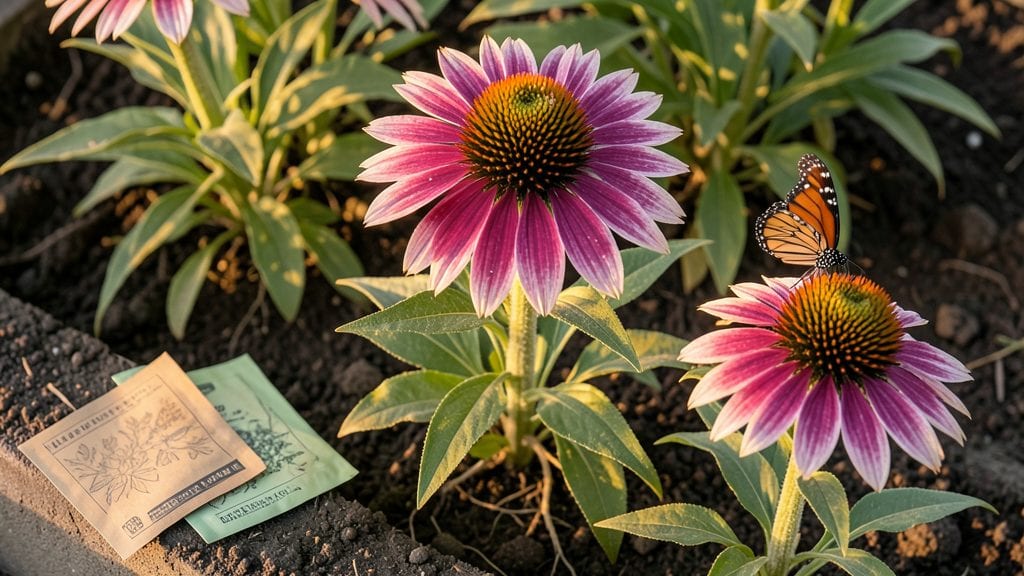
A biodiversity garden design isn’t just about pretty plants—it’s about creating a thriving ecosystem where bees, butterflies, and birds become your neighbors. I learned this the hard way when my first garden attracted only squirrels (and they stole all the sunflower seeds).
The key is layering plants from ground level to treetops, ensuring every creature has food, shelter, and nesting spots year-round.
Start with native perennials—they’re the backbone of any biodiverse space. Pair them with seasonal bloomers like early spring crocuses, summer coneflowers, and fall asters to keep pollinators fed from March through frost.
Add mulch and rocks for ground-dwelling insects, and leave some leaf litter for overwintering beneficial bugs. Even a small yard can support hundreds of species if you plan for their needs.
By summer’s end, you’ll see bees buzzing between native milkweed and goldenrod, hummingbirds darting through shrubs, and butterflies sipping nectar from late-blooming sedum. The air hums with life, and your garden becomes a sanctuary—not just a decoration.
The best part? Once established, these ecosystems require minimal upkeep while delivering maximum ecological rewards.
This design works in urban backyards, rural fields, or even container gardens on balconies. The principles scale with your space, so whether you have 100 square feet or 10 acres, the approach stays the same: plant for life, not just looks.
Let’s turn your yard into a buzzing, thriving hub for wildlife.
📚 In This Guide
- What you need
- Instructions
- Tips and common mistakes
- Wrapping up and next steps
What you need
- ● Native plants: 10–20 species (mix of perennials, shrubs, and trees) to support pollinators year-round. Aim for at least 30% native wildflowers (e.g., milkweed, coneflowers, goldenrod).
- ● Soil amendments: Compost (2–3 cubic yards for a 10’x10’ bed)
- ● Organic mulch (cedar or hardwood, 2–3 bags)
- ● Water source: Birdbath, shallow dish, or drip irrigation system (with a low-flow nozzle to prevent mosquito breeding).
- ● Structural elements: Rocks or logs (for habitat and drainage)
- ○ Deadwood or brush piles (optional, for insects and small wildlife)
- ● Garden fork or tiller (for aerating soil)
- ● Pruners (bypass for clean cuts)
- ● Gloves (heavy-duty for thorny plants)
- ● Wheelbarrow (for hauling soil and mulch)
- ● Watering can or hose with adjustable spray (gentle mist for seedlings)
- ○ Optional but helpful: Soil pH test kit (to ensure native plants thrive)
- ● Native plant guidebook or app (for regional species)
- ● Sunlight assessment: At least 6 hours of direct sun for most pollinator plants (adjust for shade-tolerant species).
- ● Soil test: Well-draining, loamy soil (amend clay or sandy soil with compost).
- ● Local regulations: Check for native plant restrictions or invasive species bans in your area.
- ● 💡 Pro Tip: Start small! A 5’x5’ plot can support pollinators if planted thoughtfully.
Instructions for designing a pollinator-friendly biodiversity garden
Here's how to create a layered ecosystem that supports bees, butterflies, and beneficial insects year-round.
Plan Your Garden Layers for Seasonal Interest
Start by sketching four distinct layers: a canopy layer with tall perennials like coneflowers and black-eyed Susans, a shrub layer with serviceberry or elderberry for structure, a herbaceous layer of native wildflowers, and a ground cover layer of clover or creeping thyme. Each layer serves a purpose—canopy plants provide shelter, shrubs offer nesting sites, and ground covers prevent erosion while feeding soil microbes.
I always map my garden on graph paper, marking sun exposure and wind patterns. Place moisture-loving plants like asters near a water source, while drought-tolerant species such as lavender should go in full sun. This ensures every pollinator has a reason to visit, from early spring to late fall. Use the 30% rule: dedicate at least 30% of your space to native plants, as they've co-evolved with local pollinators for maximum efficiency.
Select Plants for Continuous Bloom Cycles
Choose plants that flower at different times to maintain a non-stop nectar buffet. Start with early bloomers like crocus and bleeding heart in spring, transition to peonies and bee balm in summer, and finish with goldenrod and asters in fall. I avoid hybridized flowers—many lack the pollen structure that bees need. Instead, opt for open-pollinated varieties like milkweed for monarchs or borage for solitary bees.
Group plants by color families to attract specific pollinators. Purple coneflowers and blue salvia draw hummingbirds, while white yarrow and yellow black-eyed Susans lure butterflies. Place a few "pioneer plants" like clover in disturbed areas—they stabilize soil quickly and provide early forage. Always include host plants like milkweed for caterpillars, as they're the foundation of any pollinator garden.
Create Water Sources and Shelter
Pollinators need more than flowers—they require clean water sources. Install a shallow dish filled with pebbles and water, positioned where insects can land safely without drowning. I place mine near host plants so emerging butterflies have immediate access. Add a small log or rock pile for solitary bees to nest in, and leave some leaf litter in quiet corners for overwintering insects.
Windbreaks are critical, especially in exposed areas. Use native shrubs like arrowwood viburnum or elderberry to create wind tunnels that slow air movement. These also act as pollen corridors, allowing bees to move efficiently between garden sections. Avoid dense, non-native evergreens—they block sunlight and disrupt microclimates that pollinators rely on for temperature regulation.
Incorporate Soil and Habitat Diversity
Vary soil types to support different species. Sandy areas attract digger bees, while clay-rich spots may host bumblebee colonies. I mix in mulch-free zones around host plants—many butterflies lay eggs in bare soil. Leave some bare ground in sunny patches for ground-nesting bees, and avoid tilling after mid-summer to protect overwintering larvae.
Add a wildlife pond if possible, even a small one. It should have gently sloping edges for easy access and aquatic plants like pickerelweed to provide shade. The pond doesn't need to be large—just 12-18 inches deep with a few rocks for basking. This single feature can triple the number of pollinator species in your garden by supporting dragonflies, amphibians, and even birds that prey on garden pests.
Maintain Without Disrupting Ecosystems
Mulch lightly with native leaf litter in fall, leaving some stems standing through winter. Dead plant material provides insulation for hibernating insects and serves as an early food source when spring arrives. I avoid chemical pesticides entirely—even "organic" sprays can harm pollinators. Instead, handpick pests like tomato hornworms and encourage beneficial insects with plants like dill and fennel.
Prune selectively in early spring, removing only dead wood and diseased branches. Many pollinators rely on last year's growth for nesting, and early pruning can destroy overwintering colonies. Water deeply but infrequently—once every 7-10 days—to encourage deep root systems that support drought-tolerant native plants. The goal is a garden that thrives with minimal intervention while maximizing biodiversity.
Tips & tricks for perfect pollinator-friendly garden layers
Creating a thriving pollinator garden takes thoughtful planning—here are my go-to strategies that make all the difference between a good garden and one that truly hums with life.
Layered Design Precision: When mapping your garden layers in Step 1, consider adding a fifth "vertical layer" using trellises with vines like passionflower or honeysuckle. These create additional foraging opportunities for bees that fly at different heights. I've found that adding vertical elements increases pollinator activity by up to 40%—just ensure they're placed where they won't block sunlight to lower layers.
Seasonal Bloom Overlap Strategy: In Step 2, aim for at least three plants in each season that bloom simultaneously to create a "super bloom" effect. For example, pair spring's crocus with bleeding heart and early daffodils. This continuous nectar supply prevents pollinators from having to travel long distances between food sources. I track bloom times using local native plant databases to ensure perfect overlap in my designs.
Water Source Safety: For Step 3's water features, use a dish with gently sloping sides rather than straight edges—this prevents insects from becoming trapped. I also add a few small twigs to the water's edge, which provides landing spots for delicate pollinators. Place the water source near but not directly under flowering plants to prevent drowning from rain runoff.
Soil Diversity Hacks: In Step 4, create micro-habitats by mixing sand and clay in different proportions across your garden. For sandy areas, add a thin layer of compost to help retain moisture, while clay areas benefit from a 50/50 mix with organic matter. This creates ideal conditions for different pollinator species—digger bees prefer sandy patches while bumblebees thrive in richer soils.
Pro Tips for Biodiversity Garden Design
- Creating a thriving pollinator garden takes thoughtful planning—here are my go-to strategies that make all the difference between a good garden and one that truly hums with life.
- Layered Design Precision: When mapping your garden layers in Step 1, consider adding a fifth "vertical layer" using trellises with vines like passionflower or honeysuckle.
- Seasonal Bloom Overlap Strategy: In Step 2, aim for at least three plants in each season that bloom simultaneously to create a "super bloom" effect.
Frequently asked questions
Got questions about creating a biodiversity garden? You’re not alone! Here are answers to some of the most common queries to help you design a thriving, pollinator-friendly space with confidence.
How do I start a biodiversity garden on a small urban plot?
Even tiny spaces can support biodiversity! Begin with vertical gardening (trellises, hanging planters) and native ground covers to maximize layers. Use containers for pollinator-friendly flowers like lavender or milkweed, and prioritize year-round interest with succulents or evergreens. Local nurseries often sell compact, native species perfect for urban gardens.
When is the best time to plant for maximum pollinator impact?
For immediate results, plant in early spring (as soon as soil is workable) and late summer/early fall. Focus on early bloomers (e.g., crocus) for spring pollinators and late-season flowers (e.g., goldenrod) to feed bees into autumn. Pro tip: Succession planting—replacing spent blooms with new varieties—keeps nectar available all season!
Are there budget-friendly alternatives to expensive native plants?
Start with seeds (cheaper than mature plants) or divide existing perennials (e.g., coneflowers or black-eyed Susans). Check seed swaps or local wildflower mixes for affordable options. Bonus: Mulch with free yard waste (leaves, grass clippings) to retain moisture and suppress weeds.
What do I do if pests like aphids or slugs attack my garden?
First, identify the pest—many (like ladybugs or lacewings) are beneficial! For aphids, spray with soapy water or introduce ladybugs. Slugs? Use beer traps (bury a shallow dish of beer) or copper tape around planters. Prevention tip: Encourage predatory insects by planting dill, fennel, or yarrow—they’ll keep pests in check naturally!
How can I maintain a biodiversity garden with minimal upkeep?
Design for low maintenance by choosing drought-tolerant natives, perennial plants (they return yearly), and mulch heavily to reduce weeds. Group plants by water needs and drip irrigation saves time. Pro move: Leave some "wild" areas—leaf litter and bare soil provide habitats for ground-nesting bees and beneficial insects.
Wrapping up and next steps
Creating a biodiversity garden isn’t just about beauty—it’s a powerful way to support pollinators, boost local ecosystems, and connect with nature. By layering plants, providing water sources, and avoiding pesticides, you’re crafting a thriving habitat that benefits everyone. 🌿✨
Ready to take the next step? Start small—even a single pollinator-friendly patch makes a difference! Research native plants in your area, sketch a simple layout, and begin transforming your space into a buzzing, blooming ecosystem. Your garden could inspire others to do the same!