Vegetables
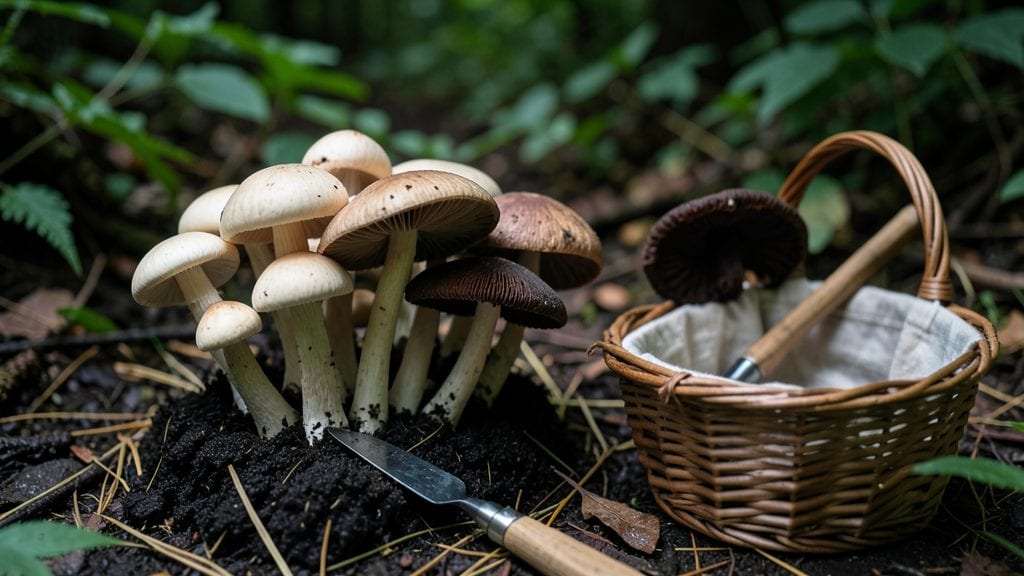
Growing black garden mushrooms in your backyard turns shadows into harvests. 🌿 I’ve grown Coprinus comatus—those dramatic, ink-black stems—using nothing but straw and a damp corner, and the results are shockingly lush. The key isn’t fancy equipment; it’s getting the substrate right and keeping conditions cozy for the fungi.
Start with clean straw or hardwood sawdust (no chemicals!) and inoculate it with mushroom spawn—just like planting seeds, but slower. These fungi thrive in 60-70°F shade, with humidity high enough to fog a window.
A simple DIY tent or even a covered bin works. Most beginners overwater, but mushrooms need moisture like a sponge, not a swamp.
By week 4, you’ll spot tiny black pins poking through the substrate—proof you’re on the right track. With proper care, you’ll harvest 3-5 flushes before winter, each time watching those elegant caps dissolve into ink. The flavor? Earthy, smoky, and impossible to get from a store.
Works for Auricularia (the jelly-like black fungus) too, or even oyster mushrooms in cooler climates. The same principles apply—just tweak the substrate. Ready to turn your yard into a mushroom farm?
Root Causes Of Dark Spots
If your garden mushrooms are turning black—whether on the caps, stems, or even the growing medium—it’s usually a sign of stress, infection, or environmental mismanagement. Understanding the why behind these dark spots is the first step to fixing the problem and ensuring a healthy, bountiful harvest.
Below, we break down the most common culprits and what’s really happening in your mushroom patch.
Mushrooms are sensitive to heat, and when temperatures climb too high (above 75°F (24°C)), their cells start to break down. This triggers a defensive response that can cause darkening—especially on the caps.
The blackening is often a sign of oxidative stress, where excess heat accelerates the breakdown of pigments and cellular structures.
- Why it happens: High humidity combined with heat creates the perfect storm for thermal shock. Mushrooms release enzymes to protect themselves, which can lead to discoloration.
- Actionable fix:
- Use a fan to circulate air and prevent hot spots.
- Move your grow space to a cooler, shaded area (ideal temp: 60–70°F (15–21°C)).
- Avoid direct sunlight, which can act like a greenhouse and raise temps quickly.
While mushrooms love moisture, too much water—especially in poorly ventilated spaces—can lead to blackening. Stagnant water creates anaerobic conditions (low oxygen), which stresses the mycelium and triggers melanin production (the same pigment that darkens bruised fruit). Black spots may also indicate waterlogging, where roots (or mycelium) suffocate.
- Why it happens:
- Excess water dilutes oxygen in the substrate, causing hypoxic stress.
- Bacterial or fungal infections (like Trichoderma) thrive in soggy conditions, leading to rot and darkening.
- Actionable fix:
- Ensure your growing medium has 20–30% perlite or coco coir for drainage.
- Mist lightly (2–3 times daily) instead of soaking the substrate.
- Use a spray bottle for even moisture distribution.
Black spots aren’t always just cosmetic—they can signal an invasive pathogen. Common culprits include Botrytis cinerea (gray mold), Trichoderma (green mold), or Pythium (water mold), all of which thrive in damp, warm environments. These infections cause necrosis (cell death), turning tissues black as they decay.
| Infection Type | Appearance | Cause |
|---|---|---|
| Botrytis (Gray Mold) | Fuzzy black/gray spots, often on caps | High humidity + poor airflow |
| Trichoderma | Greenish-black mold, spreading rapidly | Contaminated substrate or tools |
| Pythium (Water Mold) | Slimy black patches, soft rot | Overwatered, waterlogged conditions |
Actionable fix:
- Isolate infected mushrooms immediately to prevent spread.
- Sterilize tools with 70% isopropyl alcohol between uses.
- Apply a food-grade hydrogen peroxide spray (3%) to affected areas (test on a small patch first).
- Improve airflow with a small oscillating fan (set to low).
Mature mushrooms naturally darken as they age, especially near the stem or gills. If you’re harvesting too late, the stipe (stem) may turn black due to lignification (a hardening process as the mushroom prepares to release spores). Overripe mushrooms also develop melanin as a defense mechanism against predators.
- Why it happens:
- Delayed harvesting leads to spore maturation, which triggers dark pigment production.
- Bruising during picking can accelerate oxidation, causing black spots.
- Actionable fix:
- Harvest when caps are fully unfurled but still firm (before gills darken).
- Grip the stem gently near the base to avoid tearing.
- Use a sharp knife for clean cuts if stems are thick.
If your growing medium contains metal contaminants (like copper or zinc) or improper pH levels (below 6.0), mushrooms may develop black spots due to metal-induced stress. Some substrates, like sawdust or straw, can also contain tannins or other compounds that react with mushroom enzymes, causing discoloration.
- Why it happens:
- Acidic conditions (pH < 5.5) inhibit mycelium growth, leading to abnormal pigmentation.
- Old or moldy substrate releases toxins that stress the mushrooms.
- Actionable fix:
- Test substrate pH with a digital meter (ideal range: 7.0–8.0). Adjust with lime if too acidic.
- Avoid tap water with high mineral content; use filtered or distilled water instead.
- Use pasteurized (not sterilized) substrate to reduce contaminants.
Quick fixes for common mushroom growing woes
Growing black garden mushrooms (or any variety) can be incredibly rewarding, but even the most experienced gardeners face challenges. The good news? Most issues have simple, practical solutions—whether you're dealing with pests, poor growth, or environmental stress.
Below, we’ve mapped out the most common problems and step-by-step fixes to get your mushrooms thriving again. Plus, we’ll share prevention tips to keep your harvest bountiful year-round.
Cause: Insufficient moisture, incorrect temperature, or poor substrate quality.
Fix It: 🔥 Boost Humidity & Moisture
- Mist your mushrooms 2-3 times daily with a spray bottle (avoid soaking the substrate).
- Use a humidity tray (fill a shallow tray with water and place it near your grow setup).
- If using a grow bag, poke small holes in the plastic to improve airflow while retaining moisture.
🌡️ Adjust Temperature
- Ideal temps for black garden mushrooms: 60–75°F (15–24°C) during growth, 50–60°F (10–15°C) for fruiting.
- Use a small fan on low setting to circulate air if your space feels stagnant.
- If too cold, move to a warmer spot (like near a sunny window but not in direct light).
💡 Pro Tip: If your substrate feels dry or crumbly, soak it lightly with water and let excess drain. Overwatering can lead to mold!
Cause: Excess moisture, organic debris, or poor ventilation attracting unwanted critters.
Fix It: 👨🍳 Natural Pest Control
- For fruit flies: Place a small bowl of apple cider vinegar + dish soap near your mushrooms. Flies are drawn in and trapped!
- For mites or mold: Wipe down surfaces with a 1:10 vinegar-water solution (never spray directly on mushrooms).
- Prevent mold: Reduce humidity slightly (aim for 80–90%) and ensure good airflow with a small fan.
✨ Prevention Tips:
- Clean up fallen spores immediately—don’t let them accumulate.
- Sterilize tools (knives, scissors) with rubbing alcohol before and after use.
- Rotate your grow space to avoid reinfesting the same area.
Cause: Unsterilized substrate, poor hygiene, or improper storage.
Fix It: 🔪 Act Fast—Remove Contamination
- For small mold spots: Gently brush them off with a sterilized toothbrush (dip in hydrogen peroxide).
- For widespread mold: Discard the contaminated batch—do not compost it (mold spores can spread).
- Disinfect your grow area with bleach solution (1:10 ratio) or 70% isopropyl alcohol.
📊 Prevent Future Issues:
- Sterilize substrate by baking it at 160°F (71°C) for 1 hour or using pressure cooking.
- Use fresh, high-quality substrate (avoid old or damp materials).
- Work in a clean space—wipe down surfaces before and after handling mushrooms.
Cause: Too many mushrooms competing for nutrients, or lack of light/air.
Fix It: 🍳 Thin Out the Crop
- Gently pull or cut excess mushrooms at the base to redirect energy to healthier ones.
- Leave at least 1 inch (2.5 cm) between stems for airflow.
🌿 Optimize Growing Conditions
- Increase indirect light (black garden mushrooms prefer low to moderate light—no direct sun).
- Space out grow bags/bins to prevent overcrowding.
- Harvest promptly—mushrooms grow fast! Pick when caps are half-sized for best flavor.
Cause: Leaving mushrooms on the stem past their prime.
Fix It: 🍄 Harvest at Peak Freshness
- Black garden mushrooms are best picked when the cap is still firm but before it fully expands.
- Twist gently at the base—if it resists, wait another day.
- Store properly in a paper bag (not plastic) in the fridge for up to 5 days.
💡 Pro Tip: If your mushrooms taste bitter, they may be overripe or stressed—adjust humidity/temp next time!
✅ Keep it clean – Sterilize tools, remove debris, and avoid cross-contamination. ✅ Monitor moisture – Too wet = mold; too dry = stunted growth. ✅ Control temperature – Stick to the 60–75°F (15–24°C) sweet spot. ✅ Harvest regularly – Don’t let mushrooms overcrowd or spoil on the stem. ✅ Inspect often – Catch pests or mold early before they spread.
With these fixes, your black garden mushrooms should be thriving in no time—ready for a year-round harvest! 🍽️🌱
Frequently asked questions
What are the best substrates for growing black garden mushrooms?
For Coprinus comatus (inky cap), use clean straw or hardwood sawdust pasteurized at 160°F (71°C) for 1 hour. Auricularia (black fungus) thrives on sterilized hardwood logs or straw. Avoid softwoods like pine—they contain resins that inhibit growth. Always use organic, untreated materials to prevent contamination.
How long does it take to harvest black garden mushrooms?
Most varieties take 3-6 weeks from inoculation to first harvest. Coprinus comatus produces 3-5 flushes over 4-6 weeks, while Auricularia grows slower, with harvests appearing in 8-12 weeks. Patience is key—rushing can lead to stunted or diseased mushrooms.
Can I grow black garden mushrooms indoors without special equipment?
Yes! Use a clear plastic bin with a lid (poke holes for airflow) and a humidity tray. Keep temps at 60-70°F (15-21°C) using a small space heater or by placing near a sunny window. A spray bottle and oscillating fan are your only essential tools. Just avoid direct sunlight, which overheats the substrate.
Why are my black garden mushrooms turning black before harvest?
This usually signals oxidative stress from heat (above 75°F/24°C) or overwatering. Check for poor airflow or contamination (like Trichoderma mold). Reduce humidity slightly, improve ventilation with a fan, and ensure temps stay in the 60-70°F (15-21°C) range. Harvest sooner if caps are firm but darkening.
What’s the best way to store freshly harvested black garden mushrooms?
Place them in a paper bag (not plastic) in the fridge for up to 5 days. For longer storage, freeze whole mushrooms for up to 3 months. Avoid washing until ready to use—excess moisture speeds spoilage. Coprinus comatus dissolves into ink when overripe, so harvest at peak firmness for best texture.