
Shrubs
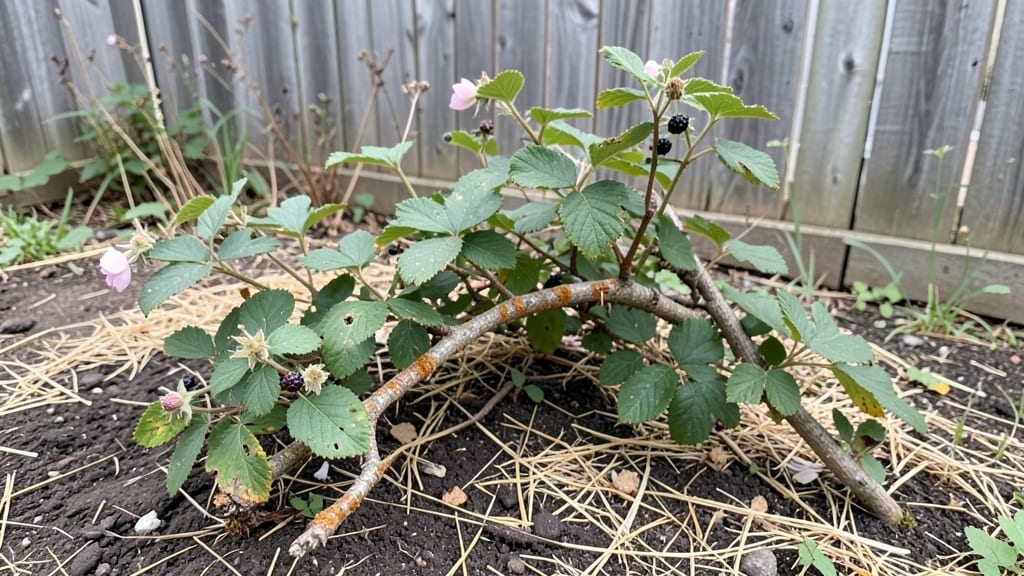
Growing a blackberry bush garden 🫐 is one of the fastest ways to add privacy, beauty, and edible bounty to your yard—without the fuss of traditional hedges.
Picture this: a 6-foot-tall living fence by next summer, its glossy canes heavy with fruit, all while keeping nosy neighbors at bay. That’s the magic of blackberries, which shoot up faster than most shrubs and deliver both shade and snacks.
But here’s the catch: planting them wrong means tangled vines, sparse fruit, or a mess that looks more like a jungle than a garden. The secret lies in spacing, support, and choosing the right variety for your climate.
In this guide, I’ll show you how to pick fast-growing varieties, where to place them for maximum impact, and the simple pruning tricks that keep them lush year after year.
Top 5 fast-growing blackberry varieties for privacy screens
Creating a natural privacy screen with blackberries is one of the fastest ways to transform your yard into a productive and beautiful landscape feature. These fast-growing varieties not only provide year-round screening but also deliver delicious fruit for you to enjoy.
Whether you prefer thornless varieties for easy maintenance or thorny types for added security, there's a blackberry perfect for your needs.
Blackberries can grow up to 10 feet tall in just one season, making them ideal for quick privacy solutions. They thrive in USDA zones 5-9 and prefer full sun exposure with well-draining soil.
The key to selecting the right variety lies in understanding their growth rates, thorn presence, and climate suitability. Below, I’ve compared the top 5 varieties to help you make an informed decision.
If you're looking for a thornless variety, Arapawa and Natchez are excellent choices for low-maintenance privacy screens.
Both grow quickly and produce delicious fruit without the hassle of thorns. Arapawa is particularly well-suited for containers or small spaces, while Natchez excels in colder climates and offers reliable fruit production.
The Triple Crown variety stands out for its superior flavor and disease resistance, making it a favorite among gardeners who prioritize taste and health. It’s also thornless, so it’s perfect for families or areas where children and pets play.
This variety reaches 10-12 feet tall, providing a dense, lush screen in just a few years.
For those who prefer thorny varieties, Cheyenne and Black Satin are top performers. Cheyenne is known for its cold hardiness and high yield, making it ideal for northern climates. Meanwhile, Black Satin produces large, flavorful berries and grows tall enough to create an impenetrable privacy barrier.
Thorny varieties may require gloves and long sleeves during harvest and pruning, but they offer added security and robust growth.
When selecting a variety, consider your climate zone, available space, and maintenance preferences. Thornless varieties are easier to manage but may require additional support like trellises to encourage upright growth.
Thorny varieties, on the other hand, are more self-supporting but may need protective barriers if you have pets or children.
Plant your blackberries in a location with full sun exposure and well-draining soil to ensure optimal growth. Amend the soil with compost or organic matter to improve fertility.
Once established, blackberries are drought-tolerant but will produce better fruit with consistent watering. Mulch around the base of the plants to retain moisture and suppress weeds.
With the right variety
How to plant and prune blackberry bushes for maximum privacy
Blackberry bushes are one of the fastest-growing plants for creating a natural privacy screen, offering both year-round greenery and delicious fruit. With the right planting techniques and seasonal pruning, you can transform your yard into a dense, lush barrier that thrives for years.
The key lies in selecting the perfect location, preparing the soil, and maintaining a disciplined pruning schedule to encourage vigorous growth.
Before you begin, choose a sunny location with at least 6-8 hours of sunlight daily. Blackberries also need well-draining soil and space to spread—aim for at least 5 feet between rows to allow airflow and prevent disease.
If you're planting along a fence or property line, consider thornless varieties for easier maintenance while still achieving that dense, private look.
Step-by-Step Guide to Planting and Pruning
-
Step 1: Prepare the Soil
Test your soil's pH (ideal range: 5.5-6.5) and amend with compost or aged manure to improve fertility. Blackberries thrive in slightly acidic soil, so add sulfur if your soil is too alkaline. -
Step 2: Plant in Early Spring or Fall
Dig holes twice as wide as the root ball and space plants 4-6 feet apart in rows. Plant canes at the same depth as they were in the nursery and water deeply to settle the soil. -
Step 3: Install Support Structures
Use trellises or wire fences to train vines upward. This not only saves space but also improves airflow, reducing the risk of fungal diseases like botrytis. -
Step 4: Prune in Late Winter or Early Spring
Remove dead or weak canes first, then cut back last year's fruiting canes to the ground. Keep 3-5 of the strongest new canes to encourage dense growth. -
Step 5: Summer Maintenance
After harvest, thin out overcrowded canes to improve air circulation. Mulch around the base with straw or wood chips to retain moisture and suppress weeds. -
Step 6: Winter Protection
In colder climates (USDA Zone 5 or below), mound soil or mulch around the base of canes to protect roots. Remove mulch in early spring to prevent rot.
Pruning is the secret to a thick, private hedge. In early spring, focus on removing old fruiting canes to make room for new growth. This encourages the plant to produce longer, healthier canes that will bear fruit in the following season.
For maximum privacy, plant blackberries in a staggered formation—this creates a fuller, more uniform screen as the canes mature.
Watering is another critical factor. Young plants need deep watering every 3-5 days, while established bushes tolerate drought better once their root systems are developed. Always water at the base of the plant in the morning to prevent fungal issues.
A 5-inch layer of mulch will help retain moisture and keep roots cool during hot summers.
With consistent care, your blackberry bushes will grow into a dense, impenetrable privacy screen in just a few years. Not only will you enjoy the aesthetic benefits, but you’ll also have a bountiful harvest of juicy blackberries to enjoy fresh or preserve.
Start small, follow these steps, and watch your yard transform into a private, productive oasis.