
Fertilization
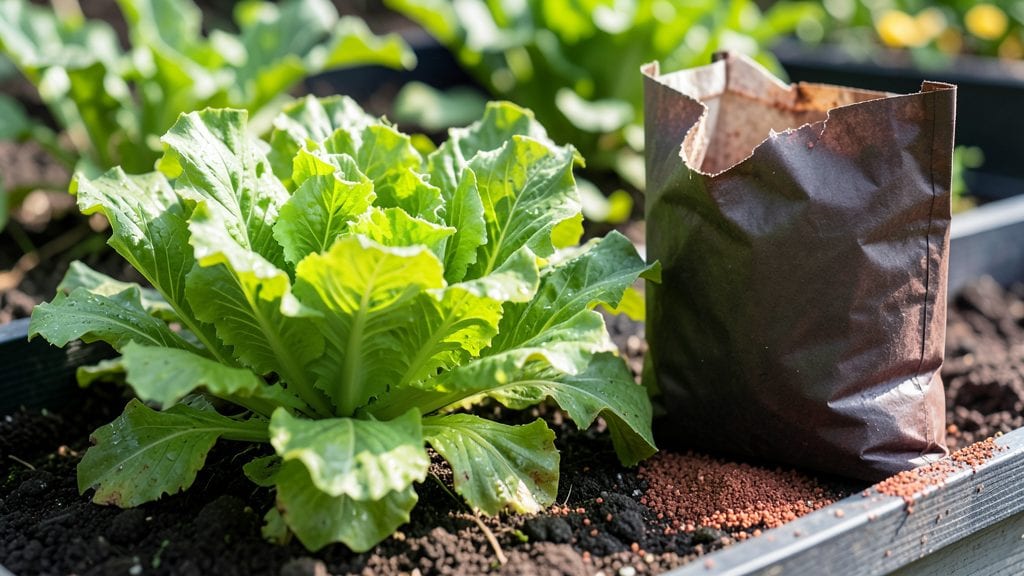
Blood meal garden fertilizer provides a rapid nitrogen boost to promote lush foliage, but requires precise application to prevent plant damage. Apply it lightly in early spring or post-harvest, water well, and repeat every 4-6 weeks for optimal results.
This organic fertilizer works by breaking down quickly into ammonia, which roots absorb almost immediately—ideal for plants like tomatoes and leafy greens that crave nitrogen. 🌱 However, its high concentration means overuse can scorch plants, so I always recommend starting with smaller amounts and monitoring soil moisture.
The fast-release nature makes it perfect for mid-season growth spurts but less suitable for long-term feeding compared to composted manure.
For best results, mix it into the top inch of soil rather than scattering it on the surface, and avoid applying when plants are stressed or in extreme heat. Store it in a cool, dry place to prevent clumping, and consider pairing it with phosphorus-rich fertilizers for flowering plants.
💡 In This Article
- How Blood Meal Fertilizes Plants Instantly
- Best Practices for Blood Meal Application in Gardens
How blood meal fertilizes plants instantly
Blood meal's rapid action comes from its 12-15% nitrogen content by weight, primarily in the form of organic proteins. When applied to moist soil, soil microbes quickly break down these proteins through a process called ammonification, converting them into ammonia (NH₃) within 24-48 hours.
This ammonia is then absorbed by plant roots almost immediately, providing an instant nitrogen boost—unlike slow-release fertilizers that take weeks to become available.
The conversion process begins when soil bacteria (like Pseudomonas and Bacillus species) use enzymes to hydrolyze the blood meal proteins into amino acids, which further decompose into ammonia.
This chemical reaction is highly efficient in warm, moist conditions (ideal soil temperature: 65-75°F), which explains why blood meal works best in spring or after rainfall. The ammonia then dissociates into ammonium ions (NH₄⁺), which plants uptake through their root hairs via active transport mechanisms.
This fast-release nature makes blood meal particularly effective for nitrogen-hungry plants like tomatoes, lettuce, and basil, which require consistent nitrogen for rapid leaf and stem growth.
For example, a 1-pound application of blood meal can provide enough nitrogen to support 100 square feet of leafy greens for 4-6 weeks, depending on soil conditions.
The key difference from slow-release fertilizers like composted manure is that blood meal delivers its nutrients in a burst, while compost releases nutrients gradually over months.
However, this rapid release also explains why overapplication can cause plant burn. When too much ammonia accumulates in the soil, it can raise the soil pH locally, creating a toxic environment for roots.
This is why it's crucial to apply blood meal lightly (1-2 tablespoons per plant) and always water it in immediately—this dilutes the ammonia concentration and allows roots to absorb it gradually.
The ideal application rate for most vegetables is 0.5-1 pound per 100 square feet, with no more than 1 pound per season for any given plant.
For visual comparison, imagine blood meal working like a fast-acting energy drink for plants: it provides an immediate jolt of nitrogen to fuel rapid growth, but you wouldn't want to consume it all at once—you'd dilute it and take small sips over time.
Similarly, plants need this nitrogen in manageable doses to avoid stress. The fast absorption also means you'll see visible results within 7-10 days, with darker green leaves and more vigorous growth, especially in plants like Swiss chard or kale that continuously produce new foliage.
What most gardeners don't realize is that blood meal also contains trace amounts of sulfur and other minerals that support overall plant health. The sulfur helps form chlorophyll, the green pigment essential for photosynthesis, while the iron in blood meal contributes to healthy leaf development.
This combination makes blood meal particularly valuable for container gardens where soil nutrients deplete quickly, or for heavy feeders like corn and squash that demand constant nitrogen replenishment.