
Blooming
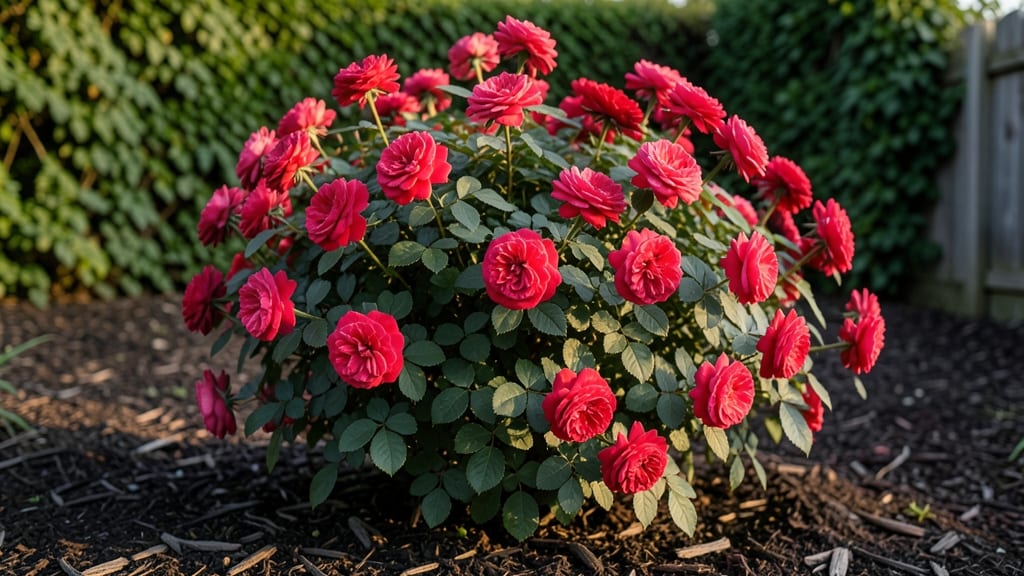
Drought-resistant blooms that never quit—this is how I keep my garden bursting with color even when the water hose stays off. 🌻 The secret lies in choosing the right plants that thrive on neglect, not attention, while still delivering jaw-dropping seasonal displays.
My front yard now looks like a postcard in every month, from the first crocuses in February to the last asters in November.
Start with a mix of perennials and shrubs that handle dry spells like pros: lavender, Russian sage, and black-eyed Susans are my go-to workhorses.
Layer them with bulbs like daffodils and alliums for early spring pops, then fill gaps with annuals that self-seed (like sweet alyssum or California poppies) to keep things fresh. The key is grouping plants by water needs—drought-tolerant varieties together, thirsty ones near the sprinkler.
You’ll end up with a garden that feels like a living painting, where every season brings something new without the fuss. The lavender stays fragrant through summer, the sage turns smoky purple in fall, and the poppies bounce back year after year.
Plus, you’ll spend half the time watering compared to traditional gardens—and still get more compliments than your neighbors.
This approach works in any climate from deserts to Mediterranean zones, and even small spaces can pack a punch. The only real rule? Skip the lawn where possible—replace it with ground covers like creeping thyme or ice plants. Now let’s talk specifics about how to arrange them for maximum impact!
📚 In This Guide
- What you need
- Instructions
- Tips and common mistakes
- Wrapping up and next steps
What you need
- ● Drought-resistant plants: 5–10 varieties (e.g., lavender, succulents, agave, yucca, salvia, or desert marigold). Choose based on your climate zone.
- ● Well-draining soil: 1–2 cubic yards of cactus/succulent mix or amended native soil (add perlite or sand for extra drainage).
- ● Mulch: 2–3 bags of gravel, bark, or organic mulch (like straw or wood chips) to retain moisture and suppress weeds.
- ● Compost: 1–2 bags of organic compost to enrich soil before planting.
- ● Slow-release fertilizer: 1–2 bags of low-nitrogen, high-phosphorus fertilizer (e.g., 5-10-10 ratio) for blooming plants.
- ● Garden gloves (1 pair, water-resistant).
- ● Trowel or hand shovel (for precision planting).
- ● Pruning shears (sharp, sterilized for cutting).
- ● Watering can or drip irrigation system (with a timer for efficiency).
- ● Measuring tape or ruler (to space plants 12–36 inches apart, depending on variety).
- ● Wheelbarrow (for hauling soil, mulch, or plants).
- ● Rainwater collection barrels (to conserve water).
- ● Plant markers (to label varieties and track care needs).
- ● Hardscape elements (e.g., rocks, stepping stones, or decorative pots for structure).
- ● Solar-powered lights (to highlight plants at night).
- ● Native plant guidebook (for local variety recommendations).
Instructions for designing a drought-resistant flower garden
Here’s how to create a vibrant, low-maintenance garden that thrives with minimal water.
🌱 Step 1: Select the Right Drought-Tolerant Varieties
Choose plants that naturally thrive in dry conditions, like lavender, yarrow, or black-eyed Susan. I always prioritize native species—they’re already adapted to your local climate and require far less intervention. Check the USDA hardiness zone map to ensure your selections match your region’s frost dates.
For year-round color, mix perennials with annuals that have deep root systems, such as sedum or Russian sage. These plants store water efficiently, so they stay lush even during heatwaves. Avoid thirsty blooms like petunias or impatiens—they’ll wilt before you know it.
🪴 Step 2: Prepare Soil for Water Retention
Amend your existing soil with 3 cubic feet of compost and 1 gallon of perlite per 4-foot planting area. This blend improves drainage while holding moisture near roots. I dig in the compost first, then sprinkle perlite evenly and work it into the top 6 inches of soil.
Test your soil’s moisture retention by squeezing a handful—it should hold together but not feel soggy. If it crumbles easily, add another ½ gallon of compost per 4-foot section. Mulch with 2 inches of shredded bark afterward to lock in moisture and suppress weeds.
☀️ Step 3: Space Plants for Optimal Airflow
Follow each plant’s mature spread guidelines—crowding stresses roots and increases disease risk. For example, lavender needs 18-24 inches between plants, while yarrow thrives with 12-18 inches of space. I sketch a simple grid on paper first to visualize spacing before digging.
Group plants with similar water needs together. This ensures no plant gets over- or under-watered. For instance, place sedum near succulents and avoid pairing it with moisture-loving salvias. Use 3 inches of gravel as a base in containers to prevent root rot.
💧 Step 4: Water Deeply but Infrequently
Water once a week during the first month to help roots establish, then taper to every 10-14 days once plants are settled. I always water in the early morning to reduce evaporation. Use a soaker hose or drip irrigation to deliver moisture directly to the root zone—this prevents wasteful runoff.
Check soil moisture by sticking your finger 2 inches deep. If it feels dry, water thoroughly until moisture reaches 6 inches down. Overwatering is the fastest way to kill drought-resistant plants—stick to the "deep and infrequent" rule.
✂️ Step 5: Prune and Maintain Seasonally
Deadhead spent blooms in spring and summer to encourage continuous flowering. For perennials like coneflowers, cut back ⅓ of the foliage in early spring before new growth appears. This prevents overcrowding and keeps plants vigorous.
In fall, reduce watering to every 3-4 weeks unless your region experiences a drought. Mulch again with 1 inch of fresh bark to protect roots over winter. Avoid fertilizing in late summer—it stimulates tender new growth that won’t survive frost.
Tips & tricks for perfect year-round drought-resistant gardens
Between us, the secret to a thriving drought-resistant garden lies in the details—especially when you're working with plants that refuse to play by traditional watering rules.
Native Species Selection: Don't just pick pretty plants—research which varieties thrive naturally in your USDA hardiness zone. I always cross-reference the USDA map with local nursery recommendations. For example, if you're in Zone 5, avoid Mediterranean natives like lavender unless you're prepared for winter protection. Instead, opt for hardy perennials like coneflowers or black-eyed Susans that already understand your climate's quirks.
Soil Science Matters: That 3 cubic feet of compost per 4-foot area isn't just arbitrary—it's about creating the perfect moisture sponge. I've learned the hard way that skipping the perlite layer leads to compacted soil that either drowns roots or dries out too quickly. Pro tip: Mix in a handful of mycorrhizal fungi with your compost to boost root health—these beneficial microbes help plants access water more efficiently.
Spacing Strategy: The 18-24 inch spacing for lavender isn't just about aesthetics—it's about airflow. Crowded plants create microclimates that trap humidity, inviting fungal diseases. I use colored stakes to mark each plant's mature spread before digging, then step back to visualize the layout. This prevents the "oh no" moment when your garden looks like a jungle instead of a carefully designed landscape.
Watering Wisdom: Those first 4 weeks of weekly watering are critical for root establishment, but the real magic happens when you switch to the 10-14 day schedule. Here's what nobody tells you—use a rain gauge to track your actual precipitation. If you get 1 inch of rain in a week, you can skip that watering cycle entirely. Most people overwater because they're guessing, not measuring.
Pro Tips for Blooms And Gardens
- Between us, the secret to a thriving drought-resistant garden lies in the details—especially when you're working with plants that refuse to play by traditional watering rules.
- Native Species Selection: Don't just pick pretty plants—research which varieties thrive naturally in your USDA hardiness zone.
- Soil Science Matters: That 3 cubic feet of compost per 4-foot area isn't just arbitrary—it's about creating the perfect moisture sponge.
Frequently asked questions
What are the easiest drought-resistant flowers to grow for beginners?
Start with lavender, succulents (like sedum), yarrow, or black-eyed Susans. These thrive with minimal water and handle poor soil. Zinnias and marigolds are also beginner-friendly and bloom prolifically!
How often should I water drought-resistant plants?
Once established (after 2–3 weeks), water deeply but infrequently—about once a week in dry climates. Check soil moisture 2–3 inches down; if dry, it’s time. Mulch helps retain moisture and reduces evaporation.
Can I grow drought-resistant plants in containers?
Use well-draining soil and pots with drainage holes. Opt for smaller varieties like portulaca or dwarf lavender. Water containers more frequently than ground-planted ones since they dry out faster.
Why are my drought-resistant plants wilting even with little water?
Wilting can signal root rot (from overwatering), pests, or poor drainage. Check soil moisture, inspect roots for damage, and ensure pots/containers aren’t waterlogged. Adjust care based on your plant’s needs!
Are there drought-resistant flowers that bloom year-round?
While no flower blooms nonstop, some like bougainvillea (in warm climates) or salvia offer near-continuous color. Layering seasonal varieties (e.g., spring bulbs + summer perennials) ensures round-the-year interest.
Still curious? Drop your question in the comments—we’re happy to help!
Wrapping up and next steps
Transforming your garden into a vibrant, drought-resistant oasis is easier—and more rewarding—than you think! 🌸 By choosing the right blooms and drought-resistant varieties, you’ll enjoy year-round color while conserving water and reducing maintenance.
Whether you’re a seasoned gardener or just starting, every small step—like mulching, selecting native plants, or grouping similar water needs—makes a big difference.
Ready to take the next step? Start small: pick one or two drought-resistant plants to test in your garden this season. Over time, expand your blooms and watch your garden thrive with minimal effort and maximum beauty!