
Shrubs
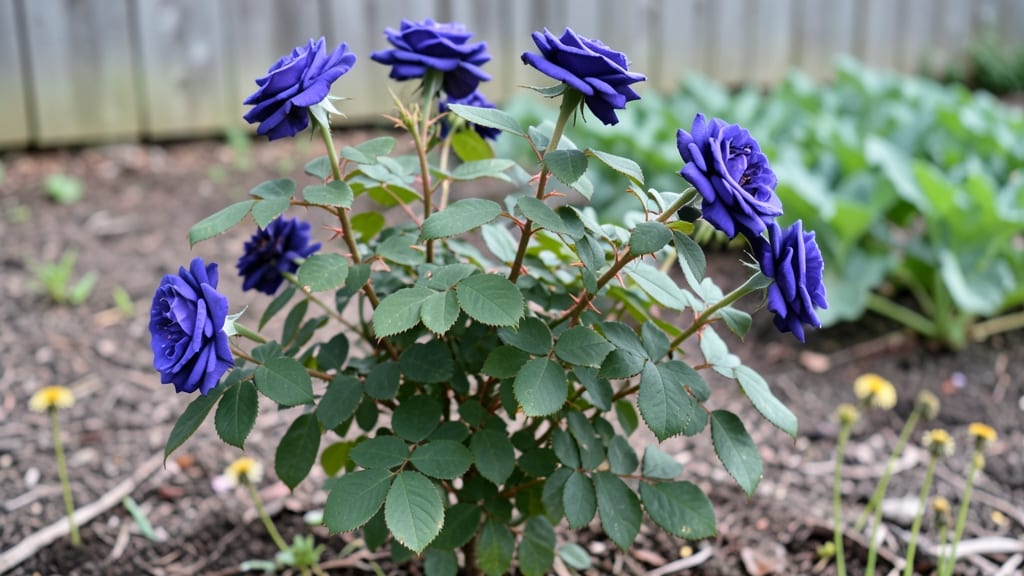
Growing blue roses might sound like chasing a myth, but the closest you’ll get is stunning lavender-blue blooms that’ll make your garden the talk of the neighborhood. 🌸 The "Blue Moon" rose comes closest to that dreamy blue hue, though true blue roses don’t exist in nature—yet these varieties still pack the fragrance and drama you’d expect from classic roses.
Here’s the secret to success: these blue-tinged roses thrive in full sun and well-draining soil rich in organic matter. Most gardeners overlook the importance of consistent moisture—especially during blooming season—so I’ll show you how to keep them hydrated without drowning the roots.
The payoff? Clusters of blooms that look like they belong in a fairy tale, not your backyard.
Once you’ve got your plants established, you’ll be snipping fragrant blooms for bouquets that pop against any color scheme. The key is patience—it takes about 60 days from planting to first bloom, but the wait is worth it when your garden becomes a blue-hued paradise.
For those who want even more drama, I’ll share how to dye white roses for a temporary blue effect too.
This approach works for both in-ground plantings and large containers, making it perfect for small spaces or urban gardens. Let’s get those dreamy blue roses growing!
📚 In This Guide
- What you need
- Instructions
- Tips and common mistakes
- Wrapping up and next steps
What you need
- ● Blue rose plants: Start with blue-hued roses (e.g., 'Blue Moon,' 'Blue Yesterday,' or 'Blue Lagoon'). Buy from reputable nurseries or grow from grafted cuttings.
- ● Well-draining soil: Mix 3 parts garden soil with 1 part compost and 1 part perlite/sand for aeration. pH should be 6.0–6.5.
- ● Sunlight: A full-sun location (6+ hours/day) is critical—blue roses thrive in bright, direct light.
- ● Watering can or hose: Use a gentle spray nozzle to avoid damaging petals. Aim for 1–1.5 inches of water weekly.
- ● Fertilizer: Balanced rose fertilizer (10-10-10) – Apply every 4–6 weeks during growing season.
- ● Organic options: Fish emulsion or compost tea for a natural boost.
- ● Pruning shears: Sharp, bypass pruners (sterilized with rubbing alcohol) for shaping and deadheading.
- ● Mulch: 2–3 inches of organic mulch (e.g., shredded bark) to retain moisture and suppress weeds.
- ● Rose food supplements: Epsom salt (magnesium sulfate) for greener foliage—mix 1 tbsp per gallon of water monthly.
- ● Pest control: Neem oil or insecticidal soap to deter aphids and spider mites.
- ● Support structure: A cage or trellis if your variety grows tall (e.g., climbing blue roses).
- ● pH test kit: To monitor soil acidity and adjust with lime (to raise pH) or sulfur (to lower it).
Step-by-step guide to cultivating blue roses in your garden
Blue roses don't exist in nature—but these stunning blooms are yours with the right varieties and care.
🌱 Step 1: Select the Right "Blue" Roses
True blue roses don’t exist, but certain varieties produce deep purple, violet, or blue-tinged blooms that fool the eye. I recommend Baccara (a deep purple with blue undertones) or Blue Moon (a striking violet-blue hybrid). Buy healthy, disease-resistant bareroot roses in early spring or established potted plants from a reputable nursery.
Inspect the roots before planting—healthy roots should be white or light tan, not brown or mushy. Avoid roses with yellowing leaves or black spots, as these signal fungal infections. If you’re starting from seed, expect to wait 3-5 years for blooms, so grafting or buying established plants saves time.
☀️ Step 2: Plant in Full Sun with Well-Draining Soil
Roses thrive in 6+ hours of direct sunlight daily, so choose a south- or west-facing spot. Amend your soil with 2-3 inches of compost to improve drainage—roses hate soggy roots. Dig a hole twice as wide as the root ball but only as deep, since planting too deep suffocates the graft union (critical for hybrid varieties).
Loosen the roots gently if they’re circling and spread them outward in the hole. Backfill with soil, leaving the graft union 1-2 inches above ground level. Water deeply to settle the soil and remove any air pockets. Mulch with 2-3 inches of organic mulch (like shredded bark) to retain moisture and suppress weeds.
💧 Step 3: Water Deeply and Fertilize for Vibrant Blooms
Water roses 1-2 inches per week, soaking the root zone deeply rather than frequent shallow watering. Early morning is best to prevent fungal diseases. After planting, water every 2-3 days until new growth appears, then taper to weekly deep waterings once established.
Fertilize with a balanced rose fertilizer (10-10-10) every 4-6 weeks during the growing season. Avoid high-nitrogen fertilizers—they encourage leafy growth at the expense of blooms. Stop fertilizing in late summer to harden off plants for winter. Watch for deep green leaves and sturdy canes as signs of healthy growth.
✂️ Step 4: Prune for Shape and Disease Prevention
Prune roses in late winter or early spring before new growth begins. Remove dead, diseased, or crossing branches first, cutting back to a healthy bud or outward-facing growth. Thin out crowded canes to improve airflow—this prevents fungal issues like black spot. Leave 3-5 strong canes per plant, cutting just above an outward-facing bud.
Deadhead spent blooms regularly to encourage continuous flowering. Use clean, sharp pruners and sterilize them with rubbing alcohol between cuts to prevent spreading disease. After pruning, apply a copper fungicide as a preventative measure, especially in humid climates. You’ll see fresh, vibrant buds forming within 4-6 weeks of proper pruning.
🪴 Step 5: Protect and Enjoy Your Blue Roses
In fall, mound 4-6 inches of mulch around the base of roses to insulate roots from freezing temperatures. Water deeply before the first frost to help plants store moisture for winter. In spring, remove old mulch and add fresh compost to replenish nutrients.
Watch for pests like aphids or Japanese beetles—spray with neem oil at the first sign of trouble. Blue roses attract pollinators, so avoid pesticides that harm bees. Once established, your roses should bloom continuously from early summer to frost, with the deepest colors appearing in full sun. Enjoy the fragrance and beauty—your "blue" roses will be the envy of the neighborhood!
Tips & tricks for perfect blue rose cultivation
These insider tricks will help you grow those coveted "blue" roses that look like magic—and they’re all based on what I’ve learned from years of trial and error in my own garden.
Variety Matters: While no true blue roses exist, the Baccara and Blue Moon varieties come closest with their deep purple-blue hues. For the most vibrant color, plant them in full sun—those 6+ hours daily make all the difference. I’ve seen Baccara blooms shift from lavender to near-blue when planted in the brightest spot in my garden. The secret? The sunlight intensifies the natural pigments in these hybrids.
Root Health is Everything: When selecting bareroot roses, look for roots that are white or light tan—not brown or mushy. I learned this the hard way after planting a rose with compromised roots that took months to recover. For established plants, gently loosen any circling roots before planting to encourage outward growth. This simple step helps prevent root-bound issues that can stunt your rose’s development. And remember, that 1-2 inch graft union above ground is critical—it’s what gives hybrid roses their vibrant colors and disease resistance.
Watering Wisdom: The 1-2 inches per week rule is your guide, but timing matters just as much. Water in the early morning so leaves have time to dry before nightfall—this prevents fungal diseases like black spot. After planting, I water every 2-3 days until new growth appears, then switch to weekly deep waterings. A soaker hose is my go-to for even moisture distribution without wetting the foliage.
Pruning Precision: When pruning in late winter, focus on removing dead, diseased, or crossing branches first. I always cut back to an outward-facing bud to encourage new growth in the right direction. Leaving 3-5 strong canes per plant gives you the perfect balance of airflow and flowering potential. And here’s a pro tip: After pruning, spray with a copper fungicide—it’s your first line of defense against fungal issues, especially in humid climates.
Pro Tips for Blue Rose Gardening
- These insider tricks will help you grow those coveted "blue" roses that look like magic—and they’re all based on what I’ve learned from years of trial and error in my own garden.
- Variety Matters: While no true blue roses exist, the Baccara and Blue Moon varieties come closest with their deep purple-blue hues.
- Root Health is Everything: When selecting bareroot roses, look for roots that are white or light tan—not brown or mushy.
Frequently asked questions
Got questions about cultivating the elusive blue rose? You’re not alone—this dreamy bloom sparks curiosity! Here are answers to the most common queries to help you grow with confidence.
Can you really grow a true blue rose?
A genetically true blue rose (like the iconic Blauer Mond) is rare, but possible! Most "blue" roses are actually lavender, violet, or purple-hued. For a deeper blue, consider Rosa 'Blue Moon' or Rosa 'Blue Bayou'. Patience is key—true blue may take years to develop its signature color.
How long does it take for a blue rose to bloom?
Newly planted blue roses may take 1–3 years to bloom, depending on climate and care. Young plants focus on root growth first. Prune lightly in early spring to encourage stronger blooms. Pro tip: Use a slow-release fertilizer in spring to speed up flowering!
What’s the easiest way to propagate blue roses?
The simplest method is grafting (if buying a named variety) or layering existing stems. For beginners, try cuttings in early summer: dip 4–6" stems in rooting hormone, then plant in moist perlite. Keep humidity high with a plastic bag until roots form (~6–8 weeks).
Why are my blue roses turning brown or dying?
Brown leaves or wilting often signal overwatering, fungus (like black spot), or nutrient deficiency. Improve airflow, water at the base (not leaves), and apply copper fungicide if needed. Yellow leaves? Check for chlorosis—add iron supplements if soil is alkaline.
Are there blue rose alternatives with similar fragrance?
If blue roses prove tricky, try these fragrant doubles:
- Rosa 'Blue Lagoon' – Soft lavender-blue with a tea-like scent.
- Rosa 'The Fairy' – Pale blue-pink with a sweet, old-fashioned fragrance.
- Hibiscus 'Blue Chiffon' – Not a rose, but a stunning blue bloomer with a light floral aroma.
Bonus: Lavender (not a rose) adds blue tones and repels pests naturally!
Wrapping up and next steps
Blue roses may seem like a fairy-tale dream, but with patience, the right techniques, and a dash of creativity, you can cultivate their ethereal beauty in your garden. 🌸 Whether you’re blending hues, experimenting with dyes, or growing rare cultivars, the journey is as rewarding as the blooms themselves.
Now that you’re armed with tips and tricks, why not take the next step? Start small—plant a single rose bush or gather a group of gardening buddies to share the magic. Every garden deserves a touch of the extraordinary!