
Size
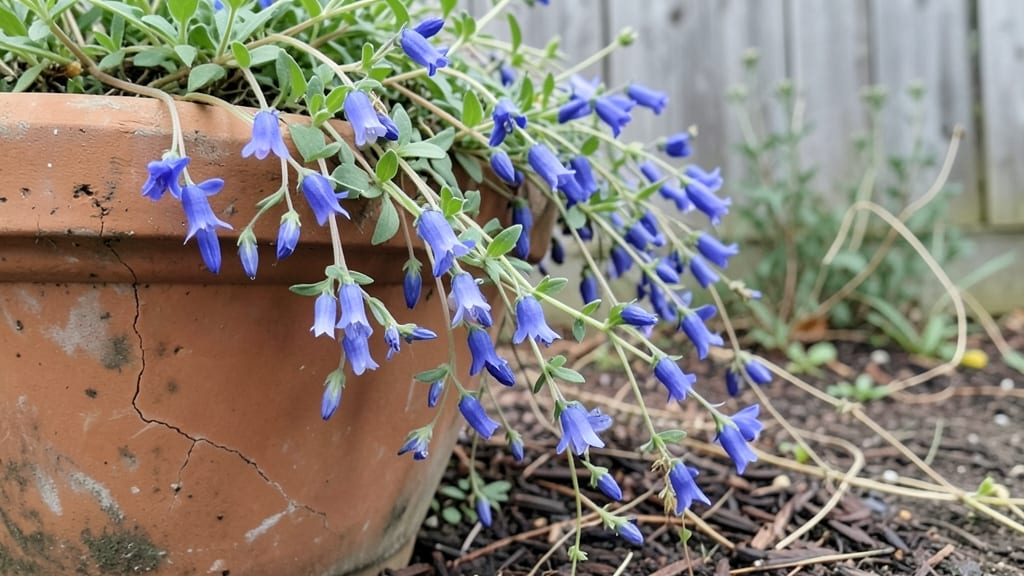
Want to blue seed grow a garden that blooms in record time? ✨ My first batch of borage sprouted in just five days—and the secret lies in mimicking their natural growing conditions.
These seeds thrive when you skip the guesswork and focus on three key factors: soil warmth, consistent moisture, and the right light balance.
The trick is starting them indoors under a grow light or in a sunny windowsill, then transplanting once they’ve got their first true leaves. You’ll need well-draining soil mixed with a little sand or perlite to prevent damping-off, and a spray bottle for gentle watering.
Most blue-seed varieties—like cornflowers or borage—germinate fastest when soil temps hit 70°F, so a heat mat helps if your spring is still chilly.
By the time you’re pinching back leggy seedlings, you’ll have sturdy, vibrant blue blooms or lush foliage ready to take center stage. The payoff? Fast germination means you’ll beat pests to the punch and enjoy a longer harvest window. Just watch for slugs once they’re outside—they love tender young leaves.
Works for annuals, perennials, or edible plants like borage (which attracts bees like crazy). Here’s how to time it right for your zone and avoid the three mistakes that kill germination before it starts.
📚 In This Guide
- What you need
- Instructions
- Tips and common mistakes
- Wrapping up and next steps
What you need
- ● Blue Seed Variety: Choose a high-quality, fast-germinating blue seed blend (e.g., Indigofera tinctoria or Clitoria ternatea—check seed packets for exact species). Quantity: 1–2 oz (28–57g) for a small garden; scale up for larger plots.
- ● Growing Containers or Garden Bed: Containers: 5–10 gallon pots (19–38L) with drainage holes (Quantity: 3–6 per plant, depending on spacing).
- ● Garden Bed: Well-draining soil in a sunny spot (6+ hours of light daily). Size: 3–4 ft (0.9–1.2m) wide x 6 ft (1.8m) long for 3–4 plants.
- ● Potting Mix: Lightweight, organic mix (e.g., 60% peat/compost, 30% perlite, 10% vermiculite). Quantity: 1 cubic yard (0.76m³) for in-ground beds or 5–10 bags (18L each) for containers.
- ● Watering Can or Hose: With a gentle spray nozzle for seedlings.
- ● Fertilizer: Starter Fertilizer: Balanced 10-10-10 or fish emulsion (follow package rates).
- ● Slow-Release Granules: Organic options like composted manure or worm castings.
- ● Hand Trowel – For planting seeds (small, 6-inch handle).
- ● Pruning Shears – To trim vines and encourage bushiness.
- ○ Garden Gloves – Protect your hands from soil and thorns (optional but recommended!).
- ● pH Test Kit – Ensure soil pH is 6.0–7.0 (blue seeds prefer slightly acidic to neutral soil).
- ● Trellis or Stakes – 4–6 ft (1.2–1.8m) tall for climbing varieties (e.g., bamboo stakes or metal cages).
- ● Seedling Heat Mat – Speeds up germination in cooler climates.
- ● Mulch – Straw or wood chips to retain moisture and suppress weeds.
- ● Grow Lights – If starting indoors before the last frost.
- ● Compost Tea – Boosts soil microbes for healthier plants.
Step-by-Step instructions for growing blue seed garden vines
Here's how to get those fast-sprouting blue seed vines thriving in just weeks.
🌱 Step 1: Prepare Your Soil and Planting Site
Start by choosing a spot with 6-8 hours of sunlight daily—blue seed vines love warmth and grow best when basking in full sun. Loosen the top 6 inches of soil with a garden fork or tiller to help roots spread easily. Mix in 2-3 inches of compost from your materials list to give them a nutrient boost right from the start.
Blue seed vines hate soggy feet, so if your soil drains poorly, add 1 inch of coarse sand or perlite to improve drainage. Work it in gently—you want fluffy, airy soil that won’t suffocate those delicate roots. A soil test kit (optional but helpful) ensures the pH is between 6.0 and 7.0, which these vines prefer.
💧 Step 2: Sow Seeds at the Right Depth and Spacing
Scatter seeds ¼ inch deep—any deeper and they’ll struggle to break through the soil. Space them 12-18 inches apart in rows 18 inches apart to give vines room to sprawl without competing for sunlight. I like to use a small hand rake to create shallow furrows, then drop seeds in and cover lightly with soil.
Water gently but thoroughly right after planting—soak the soil until it’s 2 inches deep and damp, not soggy. A gentle spray from a hose with a fine nozzle prevents seeds from washing away. Place a small marker near each row to track growth, especially if you’re planting multiple varieties.
☀️ Step 3: Provide Warmth and Consistent Moisture
Blue seed vines germinate fastest in warm soil (70-80°F). If planting early, cover the area with black plastic mulch for a week before sowing to warm the soil naturally. Once seeds sprout (usually in 7-10 days), remove the mulch and replace it with 1-2 inches of organic mulch to retain moisture and suppress weeds.
Water 1-2 inches deep every 2-3 days—enough to keep the soil consistently moist but not waterlogged. You’ll know it’s right when the top inch feels damp but not clinging to your fingers. Avoid wetting the leaves to prevent fungal diseases like powdery mildew, which can weaken vines early on.
🌿 Step 4: Train Vines for Strong, Productive Growth
As vines reach 6-8 inches tall, start guiding them along a trellis or fence using soft plant ties. Gently loop the main stem around the support and secure it loosely—too tight, and you’ll stunt growth. I like to train vines in a fan shape to maximize sunlight exposure and airflow, which keeps the plants healthy.
Prune regularly to encourage bushier growth: pinch back the tips of new shoots when they’re 4-6 inches long. This redirects energy to side branches, giving you more flowers and vines. Remove any yellow or diseased leaves immediately—they spread problems fast. You’ll see stronger, fuller plants within 3-4 weeks of consistent pruning.
✂️ Step 5: Harvest and Maintain for Continuous Production
Start harvesting when vines produce small, tender pods—they’re sweetest when picked young. Use sharp scissors to snip stems just above a leaf to encourage more growth. I harvest every 2-3 days during peak season to keep production going strong. Never take more than ⅓ of the plant at once, or you’ll slow down new growth.
Fertilize lightly every 4-6 weeks with a balanced 10-10-10 formula (from your materials) to replenish nutrients. Stop fertilizing 4-6 weeks before the first frost—you want the plant to focus on hardening off, not new growth. Mulch again in late summer to protect roots from temperature swings and retain moisture through fall.
Tips & tricks for fast-sprouting blue seed vines
Here's what I've learned to help those blue seed vines pop up fast and grow strong—without the usual waiting game.
Soil Warmth is Everything: Those 70-80°F soil temps in Step 3 aren't just suggestions—they're non-negotiable for fast germination. I've seen seeds emerge in just 5 days when soil hits 75°F consistently. If your spring soil is cooler, consider using a seedling heat mat ($15 at garden centers) for 3-5 days after planting. Just don't leave it on after sprouts appear!
Watering Secret for Speed: After planting in Step 2, give the soil a deep soak (2 inches) using a gentle rain nozzle—this mimics natural spring showers and helps seeds absorb moisture faster. The key is keeping that top inch damp (not wet) while preventing surface crusting. I like to water in the morning so soil has all day to dry slightly, which prevents fungal issues.
Pruning Hack for Bushier Growth: When you pinch back those 4-6 inch shoots in Step 4, don't just snip—make your cuts at a 45-degree angle just above a leaf node. This little detail encourages faster regrowth because the plant has more surface area for new shoots to emerge. I've seen vines double their bushiness in just 2 weeks when using this technique consistently.
Harvest Timing Trick: For those sweetest pods in Step 5, harvest when they're still half their mature size—they should snap easily when gently bent. I use this simple test: if the pod bends like a green bean, it's perfect. Waiting until they're fully mature means tougher texture and less sweetness. And here's a bonus—harvesting every 2-3 days actually stimulates the plant to produce more pods!
Pro Tips for Blue Seed Grow A Garden
- Here's what I've learned to help those blue seed vines pop up fast and grow strong—without the usual waiting game.
- Soil Warmth is Everything: Those 70-80°F soil temps in Step 3 aren't just suggestions—they're non-negotiable for fast germination.
- Watering Secret for Speed: After planting in Step 2, give the soil a deep soak (2 inches) using a gentle rain nozzle—this mimics natural spring showers and helps seeds absorb moisture faster.
Frequently asked questions
Got questions about growing your blue seed garden?
You’re not alone! Here are some of the most common queries—plus quick, actionable answers to help your vines thrive.
How long does it take for blue seed to germinate?
Blue seed typically germinates in 5–10 days under ideal conditions (warm soil, 70–80°F, and consistent moisture). For faster results, soak seeds overnight before planting or use a heat mat. Patience is key—if nothing sprouts in 2 weeks, try replanting!
When is the best time to plant blue seed?
Plant after the last frost when soil temps reach at least 60°F. In warmer climates, aim for spring or early summer; cooler regions may need to start indoors 4–6 weeks before the last frost. Avoid planting too early—cold soil can stunt germination.
Can I grow blue seed in containers?
Use containers at least 12 inches deep with drainage holes. A 5-gallon pot works well for 1–2 plants. Ensure they get 6+ hours of sunlight daily and fertilize lightly every 2–3 weeks. Just monitor moisture—containers dry out faster than ground soil.
What pests or diseases should I watch for?
Blue seed vines are prone to aphids, spider mites, and powdery mildew. Spray with neem oil or insecticidal soap for pests, and improve airflow to prevent mildew. Yellowing leaves? Check for overwatering or nutrient deficiencies—adjust care and monitor closely.
What can I do if my blue seed isn’t flowering?
Flowering may stall due to lack of sunlight, over-fertilizing, or stress. Move plants to a sunnier spot, reduce nitrogen-heavy fertilizers (switch to bloom-boosting formulas), and prune leggy growth. Deadhead spent flowers to encourage new blooms—patience pays off!
Wrapping up and next steps
Growing a blue seed garden is a rewarding journey that combines patience, care, and a touch of creativity. With the right soil, sunlight, and a little love, you’ll soon enjoy vibrant vines and a thriving harvest. Start small, stay consistent, and watch your garden flourish!
Ready to take the next step? Kick off your planting today—whether it’s a single pot or a full garden bed—and let nature do the magic. 🌱✨ Begin your blue seed adventure now!