
Companion Plants
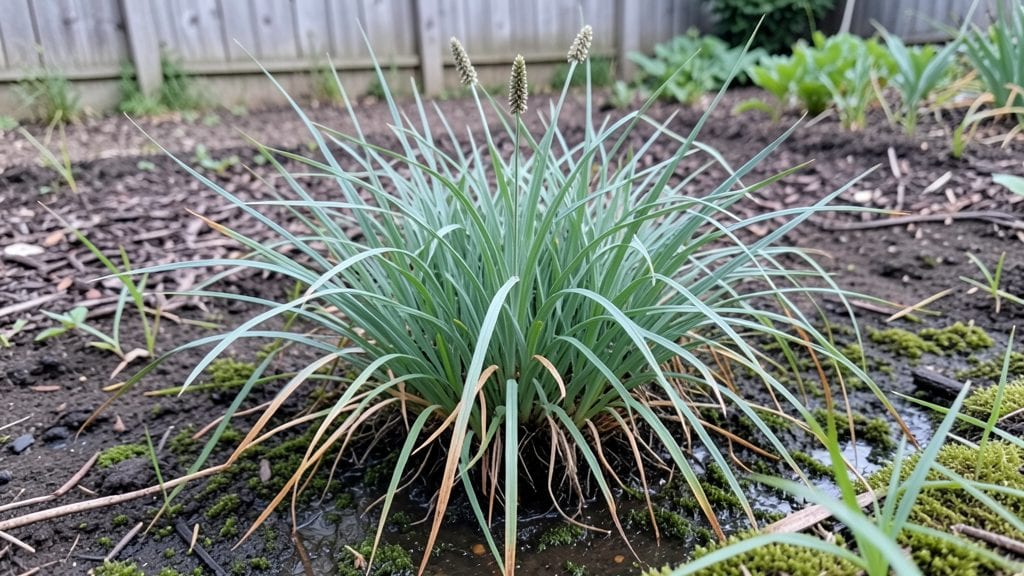
Boggy garden plants aren’t a problem—they’re an opportunity. 🌿 I’ve turned soggy patches into thriving wetlands where plants actually prefer the moisture, not fight it. The key is choosing the right species and tweaking the soil just enough to let them shine.
Native species like cardinal flowers and soft rush handle waterlogged soil like pros, while ornamental picks like blue flag iris add bold color. You’ll need to test your soil’s pH and aerate it slightly—think of it as giving your plants a breath of fresh air without draining the swamp.
Most of these plants need 6-12 inches of standing water at their roots, but they’ll reward you with lush foliage and vibrant blooms all season.
Once planted, maintenance is easy: a light top-dressing of compost in spring keeps nutrients flowing, and you’ll rarely need to water again. The real magic happens when you see dragonflies hovering over the foliage and frogs croaking at dusk—your garden becomes a mini ecosystem.
Here’s how to pick the perfect plants for your soggy spots.
This approach works for rain gardens, pond edges, or any low-lying area that stays damp. The same principles apply whether you’re fixing a problem spot or designing a feature. Let’s get those roots happy and growing!
📚 In This Guide
- What you need
- Instructions
- Tips and common mistakes
- Wrapping up and next steps
What you need
- ● Boggy Garden Plants: 5–10 plants (mix of Carex, Iris pseudacorus, Sedge, Mint, or Marsh Marigold—check local climate suitability).
- ● Well-Draining Soil Mix: 50% peat-free compost (or coconut coir for sustainability).
- ● 30% sand or perlite (for aeration).
- ● 20% garden soil (to retain nutrients).
- ● Container or In-Ground Area: Containers: 1–2 large pots (12–18" deep) with drainage holes.
- ● In-Ground: A 3'x3' area (or larger) with poor drainage.
- ● Drainage Layer: 2–3 inches of gravel or broken pottery shards (for containers).
- ● Mulch: 2–3 inches of wood chips or straw (to suppress weeds and retain moisture).
- ● Watering Can or Hose: With a gentle spray nozzle (for hydration without erosion).
- ● Gloves & Kneepads: For comfort during planting.
- ● Water Retention Crystals: 1–2 cups (to boost moisture in dry spells).
- ● Floating Row Covers: For young plants (protects from pests and harsh sun).
- ● pH Test Kit: To ensure soil is slightly acidic (5.0–7.0) for most bog plants.
- ● Decorative Stones or Pebbles: For a polished look (skip if using in-ground).
Step-by-step guide to selecting and planting boggy garden plants
Here's how to transform soggy soil into a thriving wetland oasis for plants that love moisture.
🌱 Step 1: Identify Your Wetland Zones
First, evaluate your garden's moisture levels. Walk through after a heavy rain and note where water pools for more than 6 hours. These areas need plants that thrive in standing water or saturated soil. Mark these zones with stakes—this ensures you'll plant the right species in the right spots.
I like to divide my yard into three moisture zones: dry (normal garden soil), moist (water drains within 6 hours), and boggy (waterlogged). Boggy plants belong only in the last category. Avoid planting moisture-lovers in well-drained areas—they'll wilt from thirst.
🌿 Step 2: Choose Native Bog-Loving Plants
Select plants naturally adapted to wet conditions. My go-to list includes cattails, pickeralweed, swamp milkweed, and blue flag iris. These species handle soggy soil better than any non-native alternatives. Check your local nursery for region-specific options—native plants establish faster and support local wildlife.
Look for plants with broad leaves and sturdy stems—they're built to handle waterlogged roots. Avoid delicate flowers or plants with fine foliage; they'll rot in wet soil. I always test a plant's resilience by pressing its leaves—if they feel mushy or droop when saturated, skip it.
💧 Step 3: Amend Soil for Better Drainage
Even bog plants need some drainage. Mix 2 inches of compost into the top layer of your soggy soil to improve aeration. Avoid heavy amendments like peat moss—too much can suffocate roots. Instead, focus on breaking up compacted clay with a garden fork. Work the soil until it crumbles easily between your fingers.
If your area floods deeply, create raised beds with 6 inches of soil above the surrounding ground. Use a mix of native soil and compost to fill them. This keeps roots from sitting in stagnant water while still providing moisture. Test your amended soil by filling a jar halfway with water, adding soil, and shaking—it should drain within 30 minutes.
☀️ Step 4: Plant and Mulch Properly
Dig holes twice as wide as the plant's root ball but only as deep. Place each plant in its hole, then backfill with native soil mixed with a handful of compost. Press gently around the base to remove air pockets. Water deeply right after planting to settle the soil and encourage root contact.
Spread 2-3 inches of wood chips or straw mulch around each plant, keeping it 3 inches away from stems. This prevents soil erosion and keeps roots cool in summer. Mulch also slows water evaporation, which is crucial for moisture-loving plants. Check mulch levels every 6 months—top up if it decomposes below 2 inches.
✂️ Step 5: Maintain and Monitor
Water bog plants only if the soil feels dry 2 inches below the surface. Overwatering can suffocate roots just as much as underwatering. Fertilize lightly in spring with a balanced, slow-release fertilizer—bog plants need nutrients but hate rich soil. I use a 10-10-10 formula at half strength to avoid burning tender roots.
Watch for yellowing leaves or wilting stems—signs of root rot or nutrient deficiency. If you see mushrooms sprouting, your soil is too compacted. Break up the top 6 inches of soil and add more compost. Bog plants are low-maintenance once established, but they do need occasional pruning to remove dead foliage and encourage new growth.
Tips & tricks for perfect boggy garden planting
Here's what I learned after turning my soggy patches into thriving wetland gardens—avoid these common mistakes and watch your plants flourish.
Zone Identification: Don't guess which areas are truly boggy! After a heavy rain, walk your yard with a timer and mark spots where water lingers for more than 6 hours. I use brightly colored stakes to clearly separate my boggy zones from moist areas—this prevents costly mistakes of planting moisture-lovers where they'll dry out. Trust me on this: cattails planted in dry soil won't survive.
Native Plant Selection: When choosing plants like swamp milkweed or blue flag iris, look for those with broad leaves and sturdy stems—these are nature's indicators of wetland resilience. I've learned the hard way that delicate foliage plants wilt and rot in saturated conditions. Pro tip: Press the leaves between your fingers before buying—if they feel mushy or droop when saturated, skip that plant entirely.
Soil Amendments: The 2 inches of compost you mix into soggy soil isn't just about aeration—it's about creating the perfect balance. I've found that adding too much peat moss can actually suffocate roots by creating a waterproof layer. Instead, focus on breaking up compacted clay with a garden fork until it crumbles easily between your fingers. This simple test tells you when your soil's ready for planting.
Mulch Maintenance: That 2-3 inches of wood chips you spread around your bog plants isn't just decorative—it's crucial for moisture retention and root protection. I check mulch levels every 6 months because decomposed mulch loses its effectiveness. Keep it 3 inches away from stems to prevent rot, and always top up if it falls below 2 inches. This small effort makes a huge difference in summer heat.
Pro Tips for Boggy Garden Plants
- Here's what I learned after turning my soggy patches into thriving wetland gardens—avoid these common mistakes and watch your plants flourish.
- Zone Identification: Don't guess which areas are truly boggy!
- Native Plant Selection: When choosing plants like swamp milkweed or blue flag iris, look for those with broad leaves and sturdy stems—these are nature's indicators of wetland resilience.
Frequently asked questions
Got questions about keeping your garden thriving in soggy soil? You’re not alone!
Here are answers to the most common concerns about boggy garden plants—so you can grow lush, happy greenery without the worry.
What are the best boggy garden plants for beginners?
Start with hardy, low-maintenance picks like cattails, iris, or marsh marigolds. These tolerate wet feet and add beauty with minimal fuss. For shade lovers, try hostas or ferns—they’re forgiving and perfect for damp spots.
When is the best time to plant in boggy soil?
Spring (after frost) or early fall (before hard freezes) are ideal. Avoid planting in winter when soil is frozen or in peak summer heat, which can stress roots. Pro tip: Amend soil with compost before planting to improve drainage gradually!
How do I improve drainage in a boggy garden?
Raise beds with gravel or sand, or plant in containers with drainage holes. For in-ground spots, mix in organic matter (like peat or coconut coir) to loosen heavy clay. Avoid compacting soil—let water drain naturally!
Why are my bog plants wilting or turning yellow?
Yellowing leaves often mean root rot from over-saturation. Check if soil stays soggy for days—if so, improve drainage or plant in containers. Over-fertilizing can also burn roots, so use slow-release, peat-based fertilizers sparingly.
Can I grow vegetables in boggy soil?
Yes! Try watercress, kale, or celery—they thrive in moist conditions. For root veggies (like carrots), raise beds or use containers. Avoid potatoes and onions; they rot easily in waterlogged soil.
Still stumped? Drop your plant struggles in the comments—we’re happy to help!
Wrapping up and next steps
Transforming your boggy garden into a thriving oasis is totally doable—you just need the right plants and a little know-how! 🌿 From moisture-loving perennials to smart drainage tricks, these solutions will help you avoid soggy struggles and grow a lush, happy garden.
Start small, experiment with a few hardy picks, and watch your space flourish.
Ready to take the next step? Pick one bog-tolerant plant from this guide, prep your soil, and get planting—your future garden will thank you! 🌱