
Vegetables
Understanding Boise’s garden zone is essential for selecting plants that survive Idaho’s high-desert climate, where USDA Zone 7a brings cold winters and dry summers. This zone favors hardy perennials, cold-resistant vegetables, and container-friendly tropicals.
Boise’s Zone 7a classification reflects its 3,200–4,000 ft elevation, where summer days can hit 90°F+ while winter nights dip near 0°F.
This extreme range demands plants with deep root systems to access moisture and adapt to rapid temperature shifts. 🔥 Urban areas often experience microclimates—sidewalks and buildings trap heat, while rural spots stay cooler.
For example, Twin Falls’ Zone 6b allows slightly more cold-hardy crops, but Boise’s zone requires extra care for frost-sensitive plants like peppers or basil.
To maximize success, focus on drought-tolerant natives like Russian olive or blue grama grass, which thrive with minimal irrigation. For vegetables, prioritize cabbage, carrots, and potatoes, which handle Boise’s short growing season and poor soil drainage better than others.
Mulching with straw or wood chips helps retain moisture, while raised beds improve drainage for container gardening—ideal for tomatoes or citrus trees that wouldn’t survive outdoors year-round.
💡 In This Article
- How Boise’s Climate Affects Plant Survival
- Best Plants for Thriving in Boise Gardens
How Boise’s climate affects plant survival
Boise's Zone 7a classification isn't just a number—it reflects a high-desert climate where low humidity (20-30%) and intense sun exposure create unique growing challenges.
The 3,200–4,000 ft elevation means daytime highs can exceed 95°F while nights drop below freezing in winter, forcing plants to adapt to 30°F+ temperature swings within 24 hours. This extreme range explains why tropical plants struggle outdoors—their shallow roots can't handle Boise's rapid moisture evaporation and soil temperature fluctuations.
The dry heat here isn't just about summer—it persists year-round due to low annual precipitation (12-15 inches). Unlike coastal regions, Boise lacks maritime influence, so plants must develop deep root systems (3+ feet) to access groundwater.
For example, Russian olive trees thrive here because their roots extend 50+ feet deep, while shallow-rooted annuals like lettuce bolt quickly. The low humidity also means foliage dries out faster, increasing susceptibility to sunburn and pests like spider mites that flourish in arid conditions.
Microclimates play a crucial role in Boise's gardening success. Downtown areas can be 5-10°F warmer than rural zones due to urban heat islands, where pavement and buildings trap heat. This explains why Zone 7a plants might thrive in downtown containers but struggle in cooler Zone 6b areas like Meridian.
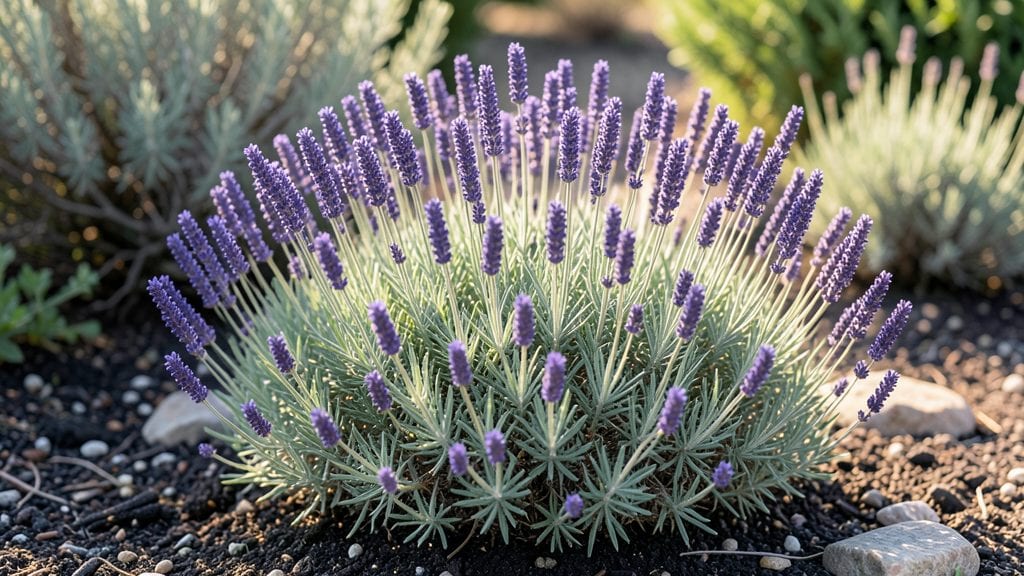
Meanwhile, south-facing slopes receive 30% more sunlight than north-facing yards, making them ideal for heat-loving plants like lavender but poor choices for shade-tolerant hostas. Soil drainage becomes critical—Boise's clay-loam soils often compact, creating waterlogged pockets that suffocate roots unless amended with organic matter.
Comparing Boise to nearby Zone 6b areas like Twin Falls reveals key differences. Twin Falls' higher elevation (4,000+ ft) brings cooler summers (85°F max) and colder winters (-10°F lows), allowing hardier crops like Brussels sprouts to survive.
However, Boise's warmer winters enable earlier spring planting of frost-sensitive crops like peppers. The trade-off? Boise's longer frost-free season (150-160 days) means vegetables like tomatoes can mature fully, while Twin Falls' shorter season limits late-season plantings.
What most gardeners overlook is how wind patterns affect Boise's microclimates. The city's location in the Boise Valley creates channelling winds that can dry soil surfaces 20% faster than protected garden spots. This is why windbreaks made of coniferous shrubs or ornamental grasses become essential for protecting delicate plants.
The low humidity also means mulch loses moisture 3x faster than in humid climates, requiring 2-3 inches of organic mulch to maintain soil moisture during summer.
For container gardening, Boise's climate demands self-watering systems or terracotta pots that wick moisture.
The rapid temperature shifts mean containers can experience 15°F swings between day and night, stressing plants more than in-ground specimens. Citrus trees in containers, for example, often suffer leaf scorch from afternoon sun unless shaded with 50% shade cloth during peak heat (2-5 PM).
Understanding these patterns helps explain why containerized tropicals require daily watering in summer—even when in-ground plants seem fine.