
Container Gardens
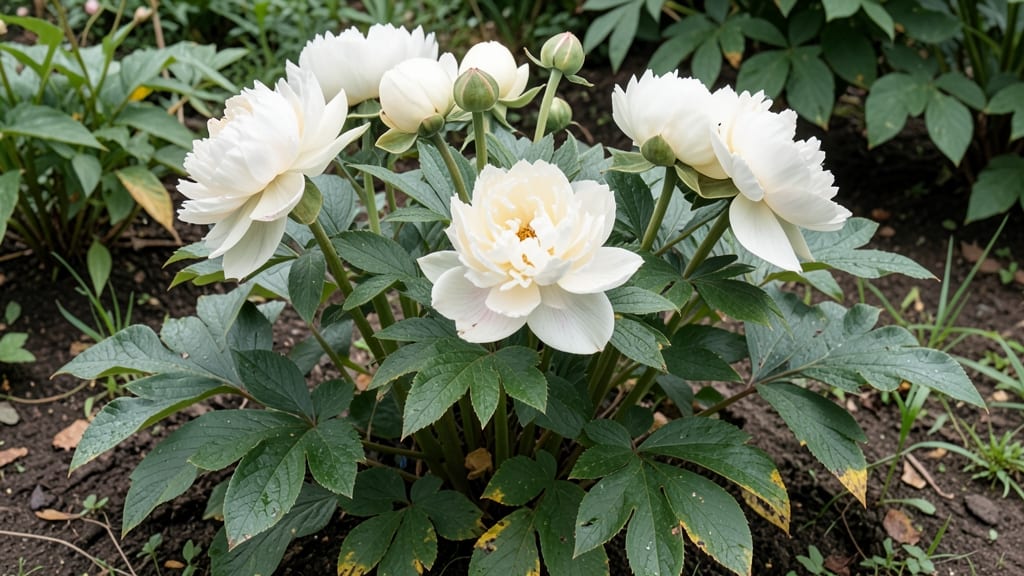
These green havens aren’t just pretty—they’re living laboratories where rare species thrive and horticultural science comes alive. 🌿 Longwood Gardens, for example, hosts over 10,000 peony varieties, while Bartram’s Garden preserves native North American plants dating back to colonial times.
Whether you’re chasing cherry blossoms in spring or winter evergreens, each garden tells a story through its carefully curated landscapes.
What sets Philly’s gardens apart is their accessibility—many offer free admission days and educational programs for all ages. From the historic Morris Arboretum’s 92-acre tree collection to the whimsical Smith Memorial Playground’s children’s garden, there’s something magical waiting in every season.
Pro tip: Visit Longwood’s conservatories in summer for tropical humidity that feels like a mini vacation! ✨
💡 In This Article
- Philadelphia’s Premier Botanical Gardens and Their Unique Plant Collections
- Hidden Gems and Seasonal Highlights in Philly’s Green Spaces
Philadelphia’s premier botanical gardens and their unique plant collections
Philadelphia’s botanical gardens serve as living archives of plant biodiversity, where each collection tells a story of ecological preservation and horticultural innovation. Take Longwood Gardens, for instance—its 10,000+ peony varieties represent one of the world’s most comprehensive collections, with some hybrids dating back to the 19th century.
These peonies aren’t just ornamental; they’re studied for their disease resistance and genetic diversity, which helps breeders develop hardier cultivars for modern gardens.
The science behind their cultivation involves precise soil pH (6.5-7.0) and winter chilling requirements (30-40°F for 100-150 hours), making Longwood a global resource for peony research.
At Bartram’s Garden, America’s oldest botanical garden (established 1728), the focus shifts to native species that shaped the continent’s ecosystems. The garden preserves 3,000+ plant varieties, including rare native orchids and colonial-era medicinal herbs like echinacea and goldenseal.
What’s remarkable is how these plants are used in modern conservation—Bartram’s partners with universities to study how native species adapt to climate change, like the redbud tree, which blooms earlier each year due to warming trends.
The garden’s 18th-century-style greenhouse maintains microclimates that mimic pre-industrial conditions, allowing scientists to observe plant behavior in controlled environments.
The Morris Arboretum takes a different approach by specializing in tree collections, with 16,000+ specimens representing 2,000+ species. This isn’t just about beauty—it’s a genetic library. The arboretum’s Ginkgo biloba collection, for example, includes trees over 100 years old, studied for their resilience to urban pollution.
Researchers here track how trees like the dawn redwood (a living fossil) respond to Philadelphia’s urban heat island effect. The arboretum’s canopy walkway, elevated 50 feet above the ground, offers a bird’s-eye view of these experiments in action, showing how layered plantings create microhabitats for wildlife.
What ties these gardens together is their role in ex situ conservation—protecting endangered species outside their natural habitats. Longwood’s conservatory gardens house 1,500+ tropical plants, including orchids from the Philippines and rare cacti from Madagascar.
Bartram’s Garden partners with the U.S. Fish & Wildlife Service to propagate ghost pipefruit, a critically endangered vine. These efforts aren’t just about survival; they’re about genetic diversity.
A single Franklin tree (one of only 20 known specimens worldwide) at Morris Arboretum contains enough genetic material to ensure the species’ future. The gardens act as seed banks and living laboratories, where every plant has a purpose beyond aesthetics.
Visitors often overlook the scientific rigor behind these collections. At Longwood, for example, the Peony Festival isn’t just a celebration—it’s a phenology study. Researchers track bloom times to measure climate impacts, with data shared globally.
Bartram’s Garden’s native plant sales fund restoration projects, while Morris Arboretum’s tree tagging system (each tree has a numbered label) helps track growth patterns over decades. These gardens prove that beauty and science go hand-in-hand—each bloom, leaf, or root tells a story of adaptation, resilience, and human curiosity. 🌱