Pests
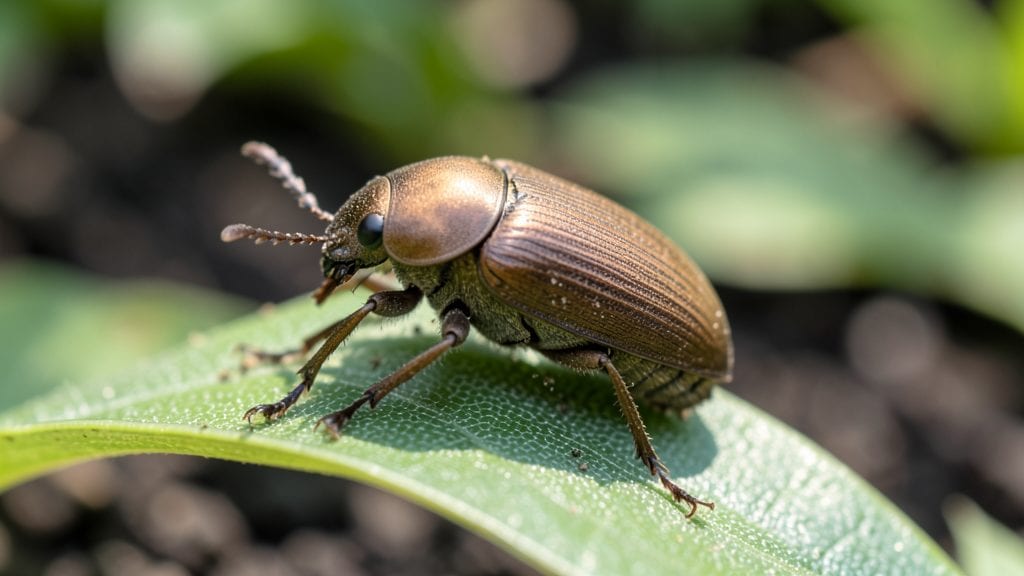
I’ve spent three summers watching my garden turn into a brown garden beetle buffet—until I learned how to outsmart them without chemicals. These plump, copper-brown beetles might look harmless, but their grubs chew through roots, leaving plants wilted and stunted.
The key? Catching them early, before the damage gets out of hand.
You’ll recognize them by their shiny, oval bodies and the telltale signs they leave behind: jagged leaf edges and grubs tunneling through soil. Most gardeners reach for pesticides first, but that’s a shortcut to killing beneficial insects too.
Instead, I’ll show you how to use neem oil sprays, beneficial nematodes, and simple traps to keep your garden thriving without harming the ecosystem.
By the end, you’ll know exactly when to act—whether it’s mulching to disrupt their lifecycle or timing your interventions for maximum impact. No more guessing, no more overusing chemicals. Just a garden that stays healthy, season after season.
This works for vegetable patches, flower beds, and even lawns. Let’s get your garden back to its best—and keep those beetles where they belong.
Root Causes Of Beetle Infestations
Understanding why brown garden beetles invade your yard or garden is the first step to eliminating them naturally. These beetles are drawn to specific conditions that create the perfect environment for survival and reproduction. Below, we break down the key factors that attract them and encourage their presence.
Brown garden beetles, including the Anomala and Phyllopertha species, are particularly drawn to organic debris. Overripe fruits, fallen leaves, and rotting wood provide both food and shelter. As these beetles feed on decomposing plant material, they release pheromones that signal other beetles to join, accelerating infestations.
Why it happens:
- Nutrient-rich decay: Rotting organic matter is packed with nutrients that beetles crave, making it an irresistible buffet.
- Moisture retention: Decaying plants hold moisture, creating a humid microclimate that beetles thrive in.
- Breeding grounds: Soft, damp soil near decomposing matter is ideal for beetle larvae to burrow and develop.
Actionable fix: Clear away fallen leaves, fruit, and garden waste regularly. Compost piles should be turned frequently to reduce moisture and heat buildup, making them less appealing to beetles.
Thick, unkempt grass and dense plant growth create the perfect hiding spots for adult beetles during the day. They emerge at night to feed on leaves, flowers, and young plants, often leaving behind ragged edges or skeletonized foliage.
Why it happens:
- Shade and shelter: Overgrown areas provide cover from predators like birds and beneficial insects.
- Food availability: Lush gardens offer a steady supply of tender shoots and blossoms, which beetles prefer.
- Soil disturbance: Compacted or uneven soil from overgrowth makes it easier for larvae to tunnel and pupate.
Actionable fix: Mow your lawn regularly and thin out dense plantings to reduce hiding spots. Consider mulching with wood chips or straw instead of leaving grass clippings to pile up.
Brown garden beetles and their larvae require moist soil to survive. Overwatering, poor drainage, or rainy seasons can turn your garden into a beetle paradise, as larvae thrive in damp conditions while avoiding dry, cracked earth.
Why it happens:
Factor
Impact on Beetles
High humidity
Encourages egg-laying and larval development.
Waterlogged soil
Creates anaerobic zones where larvae can escape predators.
Poor drainage
Traps organic debris, increasing food sources for adults.
Actionable fix: Improve soil drainage by amending it with sand or compost. Avoid overwatering and water early in the day to allow soil to dry between sessions. Use soaker hoses instead of sprinklers to target roots directly.
Some garden plants act like a beacon for brown garden beetles. Species like roses, fruit trees, and vegetables (such as beans and peas) are particularly vulnerable because their leaves and flowers are a primary food source.
Why it happens:
- Nectar and pollen: Beetles feed on these as adults, sustaining energy for reproduction.
- Soft foliage: Young, tender leaves are easier to chew than mature plants.
- Scent trails: Damaged plants release volatile organic compounds (VOCs) that attract more beetles.
Actionable fix: Plant beetle-repellent companions like marigolds, basil, or garlic near susceptible plants. Prune plants regularly to remove damaged or overripe foliage, and consider row covers for high-value crops.
By addressing these root causes, you can disrupt the beetle life cycle and create an environment that’s far less inviting. The next step? Explore chemical-free elimination methods to keep your garden thriving.
Practical ways to remove garden invaders
Now that you understand why these beetles show up in your garden, let’s tackle the how. The good news? You don’t need harsh chemicals to keep them in check.
Below are targeted, natural solutions based on the root cause—whether it’s their love for decaying matter, moisture, or your prized plants. Each method is simple, eco-friendly, and designed to work with your garden’s ecosystem, not against it.
Brown garden beetles thrive where wood rots or mulch piles up. If your garden has:
- Old logs, stumps, or fallen branches – These are beetle buffets.
- Thick layers of mulch – Especially near tree bases or under shrubs.
Fix it: ✅ 🪓 Chop and scatter – Break down large wood pieces into smaller chunks and spread them thinly across garden beds (they’ll decompose harmlessly). ✅ 🌱 Replace mulch strategically – Use gravel, stones, or cedar chips (beetles dislike cedar’s natural oils) instead of wood-based mulch near problem areas. ✅ 🗑️ Clear compost piles – If beetles are swarming your compost, turn it more frequently and add dry leaves or sawdust to reduce moisture (they hate dry conditions).
💡 Pro Tip: Keep mulch no deeper than 2–3 inches—thicker layers trap moisture, inviting beetles and fungi.
Beetles are attracted to fermenting fruits, beer, or overripe produce. Turn their weakness into a trap.
Fix it: 🍺 🍷 DIY Beer Trap – Bury a shallow container (like a plastic cup) filled with beer or apple cider vinegar near infested areas. The beetles will crawl in and drown—no chemicals needed. 🍎 🍎 Fruit Trap – Place a bowl of overripe bananas or apples near beetle hotspots. Check and dispose of trapped beetles daily. ⏰ 🌙 Best time to set traps: Dusk or dawn when beetles are most active.
⚠️ Warning: Check traps every 24–48 hours—they’ll fill up fast!
If you spot beetles on plants or patios, manual removal works—especially in early stages.
Fix it: 🕵️ 🕵️ Scout at night – Use a flashlight to spot beetles crawling on plants or near lights. 🪰 🪰 Pick them off – Drop them into a soapy water bucket (1 tsp dish soap + water) to kill them instantly. 🚚 🚚 Relocate (optional) – If you prefer not to kill them, place beetles far from your garden (they won’t return if moved >50 feet away).
🌡️ Pro Tip: Wear gloves—some beetles release a mild irritant when handled.
Healthy plants repel pests naturally. Focus on resilient varieties and soil health.
Fix it: 🌿 🌿 Choose beetle-resistant plants – Avoid lawns, roses, or fruit trees (their favorites). Opt for:
- Marigolds (deter beetles with their scent)
- Basil, mint, or lavender (natural repellents)
- Native grasses (beetles prefer non-native species)
💧 💧 Adjust watering – Beetles love overwatered soil. Water deeply but infrequently to dry out their hiding spots. 🌱 🌱 Boost soil health – Add compost or worm castings to improve plant vigor. Stronger plants = fewer pests.
✨ Bonus: Neem oil spray (1 tsp neem oil + 1 quart water + drop of dish soap) can deter beetles when applied to leaves.
Beetles often enter through gaps in sheds, decks, or foundations.
Fix it: 🔧 🔧 Seal entry points – Check for cracks in wooden structures, patios, or fences. Use caulk or steel wool to block access. 🪟 🪟 Install fine mesh screens – Cover vents, windows, or garden tool sheds with 1/16-inch mesh (beetles can’t squeeze through). 🌳 🌳 Trim vegetation away from structures – Keep bushes/shrubs at least 1 foot away from your house to reduce beetle highways.
To keep beetles from coming back: ✅ 🌿 Rotate crops if growing vegetables (beetles remember favorite spots). ✅ 🪓 Remove standing water (they breed in damp areas). ✅ 🌞 Increase sunlight – Beetles prefer shady, moist areas. ✅ 🐛 Encourage predators – Birds, toads, and ground beetles eat brown garden beetles.
Add a birdbath or rock piles to attract them.
Final Thought: Consistency is key—combine 2–3 methods (e.g., traps + plant defenses + soil fixes) for the best results. Within 2–4 weeks, you’ll see a dramatic drop in beetle activity without chemicals!
Would you like a seasonal action plan (spring vs. summer vs. fall) for extra precision? Let us know!
Frequently asked questions
What do brown garden beetles look like up close?
Adult brown garden beetles have a shiny, oval body measuring about ½ to ¾ inch long, with a copper-brown or bronze hue. Look for their distinctive six legs and antennae—some species even have a slight sheen from their hard exoskeleton. The larvae (grubs) are cream-colored, C-shaped, and about 1 inch long, often found tunneling in soil.
Are brown garden beetles harmful to my garden?
Yes, both adults and larvae can damage gardens. Adults chew leaves, creating jagged edges or skeletonized foliage, while larvae (grubs) feed on roots, causing wilting or stunted growth in lawns and plants. They’re especially destructive to roses, fruit trees, and vegetables like beans and peas.
How do I tell if brown garden beetles are in my soil?
Check for grubs tunneling through soil or irregular holes when digging. You might also spot birds or toads actively hunting in your garden—a sign beetles are present. Another clue? Yellowing grass in patches, especially in late spring or summer when larvae are active.
Can I use neem oil to control brown garden beetles?
Mix 1 teaspoon of neem oil with 1 quart of water and a drop of dish soap, then spray it on affected plants at dusk. Neem disrupts their feeding and reproduction cycles. For grubs in soil, apply it directly to the root zone. Reapply every 7–10 days for best results.
What’s the best time of year to treat for brown garden beetles?
Target treatments in late spring to early summer when adults emerge and lay eggs. For grubs, focus on fall (they’re most vulnerable before pupating). Early intervention is key—waiting until damage is visible means the infestation is already established.