
Fertilization
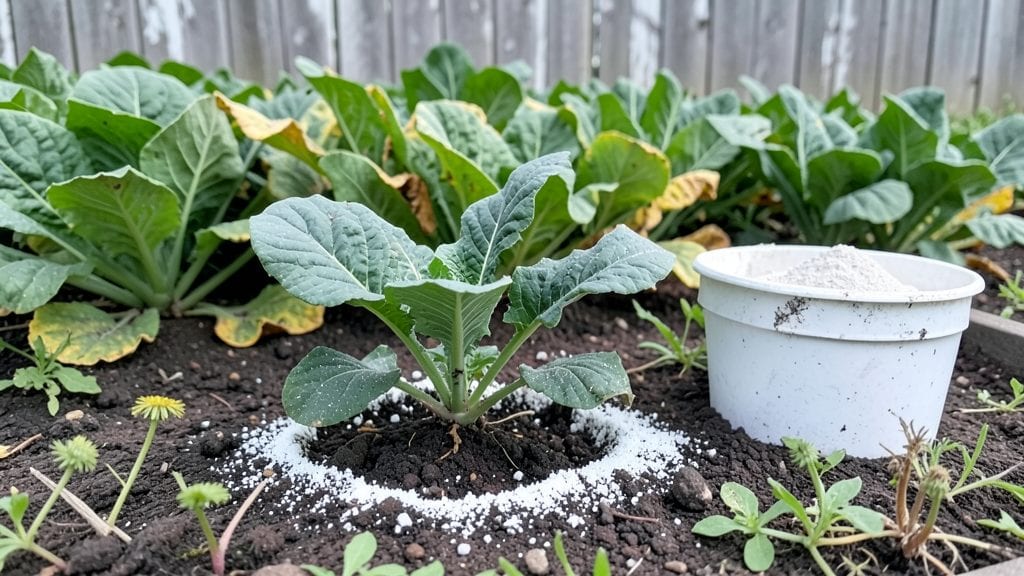
Using calcium carbonate in gardening raises soil pH to neutralize acidity, making it perfect for acid-sensitive plants like blueberries or azaleas. Spread 5-10 pounds per 100 square feet and mix it into the top 6 inches of soil for optimal results.
Calcium carbonate works by reacting with hydrogen ions in acidic soil, gradually converting them into water and carbon dioxide while releasing calcium—this process is slower than quicklime but more stable. 💫 For best results, test your soil first (aim for a pH between 6.0-7.0) and apply in early spring before planting.
Unlike regular agricultural lime, calcium carbonate provides both pH adjustment and essential calcium for plant health, though it takes longer to take effect.
Many gardeners prefer it because it's less likely to cause sudden pH spikes that can harm roots. If you're dealing with severely acidic soil, consider splitting applications over two seasons to avoid overcorrecting. For organic gardens, look for pelleted forms or oyster shell alternatives that break down more slowly.
💡 In This Article
- How Calcium Carbonate Adjusts Soil pH Chemistry
- Best Practices for Using Calcium Carbonate in Gardens
How calcium carbonate adjusts soil pH chemistry
Here's what's actually happening when you add calcium carbonate to acidic soil: it triggers a slow but steady chemical reaction called neutralization. The compound (CaCO₃) reacts with hydrogen ions (H⁺) in the soil solution, forming carbonic acid (H₂CO₃), which then breaks down into water (H₂O) and carbon dioxide (CO₂).
This process consumes excess acidity while releasing calcium ions (Ca²⁺) that improve soil structure—similar to how baking soda neutralizes vinegar, but on a much larger scale.
The key factor is how gradually this happens. Unlike quicklime (calcium oxide), which reacts violently and can burn plant roots, calcium carbonate works over weeks or months.
A typical application of 5 pounds per 100 square feet might raise soil pH by 0.5-1.0 points over a growing season, making it ideal for plants like rhododendrons that need precise pH control. The buffering effect also prevents sudden swings in pH that could stress plants.
This works because calcium carbonate has a relatively high neutralizing value (about 100% pure CaCO₃) but requires moisture to activate. In dry conditions, the reaction slows dramatically—this is why spring application (when soil is moist) gives better results than summer.
The fine, powdery texture also means it mixes evenly, unlike chunky limestone that can leave uneven pH zones.
Compared to agricultural lime (which often contains dolomitic limestone with magnesium), pure calcium carbonate provides only calcium but with more predictable pH adjustment.
For example, a soil testing pH 5.0 might need 10 pounds per 100 square feet of calcium carbonate to reach pH 6.0, whereas the same lime application might overshoot to pH 6.5 due to magnesium's additional buffering effects.
What most people don't realize is that calcium carbonate's effectiveness depends on soil organic matter. In sandy soils with low organic content, the reaction completes faster (within 2-3 months) because there's less material to bind the calcium.
In clay soils, organic matter can temporarily "lock up" some calcium, extending the process to 6-12 months. This is why soil testing before and after application is crucial.
The gradual nature of calcium carbonate's action also prevents overcorrection—a common problem with faster-acting amendments. For instance, applying 15 pounds per 100 square feet at once might push pH from 5.5 to 7.0 in one season, potentially harming acid-loving plants like blueberries.
Splitting applications over two years gives plants time to adapt to changing conditions.