
Plants
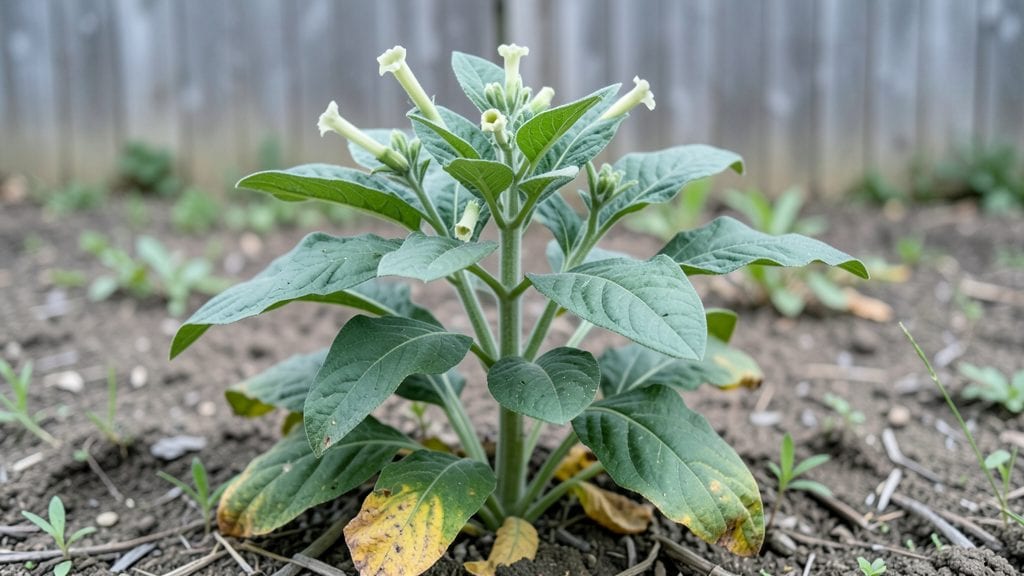
You can grow tobacco in your garden, but legal restrictions vary by location, so check local laws and permits first. This plant prefers well-drained, slightly acidic soil with full sun exposure and consistent moisture, with a growth cycle of 3-6 months depending on the variety.
Before planting, verify your state's tobacco cultivation laws—some require agricultural permits or prohibit homegrown tobacco entirely. 🌱 I've seen cases where gardeners faced fines for unlicensed cultivation, even with small-scale patches.
The right soil mix (60% sand, 30% silt, 10% clay) and regular pruning boost yields significantly, while overwatering invites root rot. Many growers swear by companion planting with marigolds to deter pests like hornworms.
Harvesting timing depends on leaf color—bright green turns golden when cured properly. Always cure leaves slowly in a well-ventilated space to preserve flavor. This process takes patience but rewards you with premium-quality tobacco for personal use or crafting.
💡 In This Article
- Legal Restrictions on Homegrown Tobacco
- Optimal Soil and Growing Conditions for Tobacco Plants
Legal restrictions on homegrown tobacco
Federal laws in the U.S. don't explicitly ban tobacco cultivation, but many states impose strict regulations. For example, California and New York require agricultural permits for growing tobacco, even on private property.
The Controlled Substances Act also prohibits growing tobacco for illegal distribution, though personal use cultivation remains legal in most states. Always verify your county's agricultural zoning laws, as some classify tobacco as a restricted crop.
Penalties vary dramatically—some states impose fines up to $5,000 for unauthorized cultivation, while others mandate confiscation of plants. Age restrictions apply in several states, requiring growers to be at least 21 years old (like Texas and Florida).
Even in legal states, local ordinances may require inspections or proof of non-commercial intent, so always check with your county agricultural extension office before planting.
What most people don't realize is that tax stamp laws can apply to homegrown tobacco if cured for personal use. Some states (like Virginia) require $2.00 per pound tax stamps for any tobacco over 1 pound, even if grown at home.
This means tracking your yield becomes part of legal compliance. 🔥
Commercial growers face additional hurdles, including licensing fees (often $100-$500/year) and disease testing requirements. For example, North Carolina (the nation's top tobacco producer) mandates black shank disease testing for all commercial fields—a rule that sometimes extends to large-scale home gardens.
Even if you're growing for personal use, some counties treat tobacco like a regulated agricultural commodity.
Another critical factor is neighbor disputes. Some HOAs or neighborhood covenants explicitly ban tobacco cultivation, regardless of state laws. I've seen cases where gardeners faced legal action from neighbors over tobacco's strong aroma during curing.
Always review your property's deed restrictions before planting, as these often take precedence over state regulations.
For those in dry counties (where alcohol sales are banned), tobacco laws can be even stricter. For instance, Mississippi has 12 dry counties where tobacco permits require additional paperwork.
The key takeaway: Tobacco cultivation is legal but heavily regulated—what's permitted in one backyard may be prohibited just miles away. 💫