
Flowers
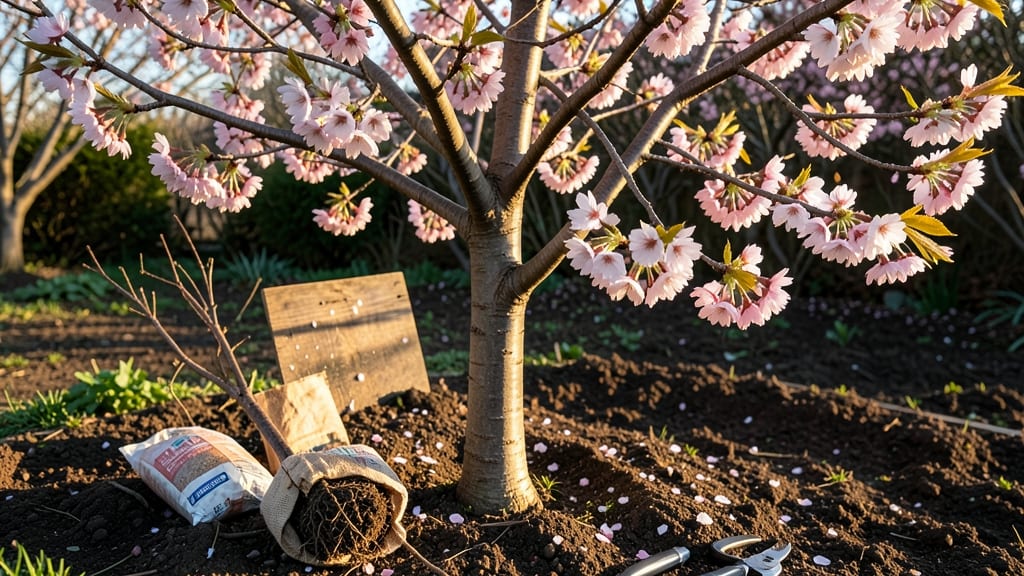
Cherry blossoms aren't just for parks—they can absolutely thrive in home gardens with the right planning. 🌸 The key lies in matching your local climate to specific tree types, like cold-resistant Prunus serrulata varieties that handle freezing temperatures better than their delicate cousins.
For smaller spaces, dwarf cultivars offer stunning spring displays without requiring massive yards. Just remember: proper soil drainage and winter protection (like mulching) make all the difference in colder regions.
What many gardeners discover is that bloom timing varies dramatically between species. Some varieties burst into color in early spring, while others wait until late April—meaning you can extend your floral season by planting multiple types.
The trade-off? Tender blossoms may need extra care during sudden freezes, but with the right preparation, even zone 5 gardeners can enjoy their own cherry blossom spectacle.
💡 In This Article
- Best Cherry Blossom Varieties for Home Gardens
- Climate Zones and Cherry Blossom Care Essentials
Best cherry blossom varieties for home gardens
The right cherry blossom variety transforms your garden from ordinary to extraordinary. For colder climates, Prunus serrulata 'Kanzan' stands out with its double pink blooms and ability to handle -15°F temperatures, thriving in zones 5-8.
This Japanese flowering cherry produces 3-4 inch wide blossoms that cover the tree in early spring, creating a dramatic visual impact. What's fascinating is its 500-600 chilling hours requirement, which triggers perfect bloom synchronization with other spring bloomers.
For milder regions (zones 6-9), Prunus avium 'Stella Compact' offers a more manageable option with its dwarf growth habit (15-20 feet tall) and white, single blooms. Unlike its full-sized cousins, this variety produces edible cherries after flowering, adding dual functionality to your garden.
The trade-off? It needs at least 300 chilling hours and full sun exposure (6-8 hours daily) to perform well. Both varieties demonstrate how cherry blossoms adapt their biology to local conditions through different chilling hour requirements.
Size matters when selecting varieties for small spaces. The 'Shirotae' (white double blossom) grows to 20-25 feet but can be pruned to 12 feet with proper training, while 'Amanogawa' stays compact at 10-15 feet with its weeping branches.
What's often overlooked is how rootstock choice affects final size—dwarfing rootstock can reduce a Prunus serrulata's mature height by 50-70%. This means you can enjoy full-sized blossoms in a fraction of the space.
Bloom timing creates another layer of variety selection. Early bloomers like 'Fugenzo' (pink double flowers) open in late March to early April, while late varieties such as 'Shidare-Zakura' (weeping cherry) bloom in mid-April.
This staggered timing extends your floral display by 4-6 weeks. The science behind this involves genetic differences in bud dormancy—some varieties require more cold exposure before breaking dormancy, which directly affects bloom windows.
Consider these key factors when choosing your variety:
- Climate compatibility: Match chilling hours (300-600) to your winter temperatures
- Space constraints: Dwarf varieties save room while maintaining impact
- Bloom duration: Some varieties rebloom lightly in summer with proper care
- Color preferences: Pink ('Kanzan'), white ('Shirotae'), or mixed ('Fugenzo')
The most rewarding aspect? Watching how these trees interact with your local ecosystem. Cherry blossoms attract hundreds of pollinators during bloom season, including bees and butterflies, while their fall foliage provides late-season color.
The textural contrast of delicate petals against emerging leaves creates a visual symphony that's hard to replicate with other trees. 🌸