
Tools
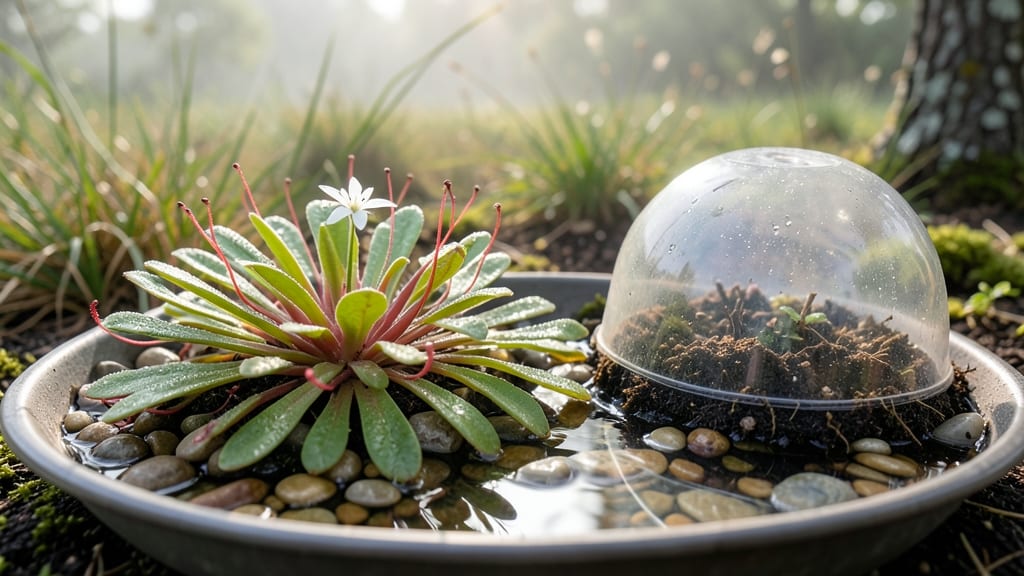
A carnivorous bog garden turns your backyard into a living carnivorous wonderland where pitcher plants drip with sweet nectar and sundews glisten like dew-covered jewels. 🌿 I stumbled onto this niche after watching a time-lapse of a Venus flytrap snapping shut—something about the mix of science and surreal beauty hooked me for life.
This isn’t just a garden; it’s a self-contained ecosystem where plants hunt insects to survive in nutrient-poor water.
The setup is simpler than you’d think: a shallow container, acidic peat moss, and rainwater create the perfect miniature swamp. Pitcher plants need 6+ inches of standing water, while sundews and butterworts prefer slightly drier edges.
I use a 5-gallon plastic tote with drainage holes for my first bog, and it’s already teeming with life after just three months. The key is keeping water acidic (pH 4.5-5.5)—no tap water, no limey soil.
By summer, your bog will hum with activity: pitcher plants digesting gnats, sundews trapping flies in their sticky tentacles, and butterworts luring prey with their glossy leaves.
The visual contrast of deep purples, fiery reds, and neon greens makes it a conversation piece, while the quiet "hunting" action adds a magical layer to your garden. Plus, these plants thrive where most would drown—perfect for shady corners or balconies.
Here’s the twist: you can layer it like a terrarium, adding pebbles for drainage or floating plants like water lettuce to break up the view. Maintenance is minimal—just top off the water and remove dead insects—but the payoff is a garden that feels like stepping into a prehistoric swamp.
Ready to create your own carnivorous oasis?
📚 In This Guide
- What you need
- Instructions
- Tips and common mistakes
- Wrapping up and next steps
What you need
- ● Carnivorous Plants: 3–5 Sarracenia (pitcher plants) – Choose varieties like S. purpurea or S. flava
- ● 2–3 Drosera (sundews) – Opt for D. capensis or D. spatulata for beginners
- ● 1–2 Dionaea muscipula (Venus flytraps) – Start with 1–2 mature plants
- ○ Optional: Nepenthes (tropical pitcher plants) – Requires warmer conditions
- ● Growing Containers: 1–2 long, shallow containers (12"–18" length, 4"–6" depth) – Plastic, glass, or ceramic with drainage holes
- ○ Mesh or plastic plant trays (for elevated drainage, optional but recommended)
- ● Growing Medium: Long-fiber sphagnum moss (50% of mix) – Peat-free if possible
- ● Perlite or pumice (30% of mix) – For aeration
- ● Sand (coarse horticultural) (20% of mix) – Avoid fine sand
- ● Water: Rainwater or distilled water (avoid tap water with chlorine/fluoride)
- ● Spray bottle (for misting)
- ● Tools: Trowel or small hand shovel (for planting)
- ● Spray nozzle or fine misting attachment (for humidity control)
- ● pH testing kit (to monitor water acidity, ideal: 4.5–6.0)
- ○ Glass or clear lid (for humidity dome, optional but helpful for beginners)
- ● Grow lights (LED full-spectrum, 12–16 hours/day for indoor setups)
- ● Miniature water pump (for circulating water in larger bogs)
- ● Decorative rocks or pebbles (for aesthetics and moisture retention)
- ● Insects or meat bait (raw chicken, fish, or insects for feeding—only if plants aren’t catching prey naturally)
- ● Humidity tray (with pebbles and water for extra moisture)
Step-by-Step instructions for creating a carnivorous bog garden
Turn your patio or windowsill into a thriving miniature wetland where plants hunt their own meals.
🪴 Step 1: Build the Bog Container
Use a shallow, wide container with drainage holes—think plastic storage bins or glazed ceramic trays. I line the bottom with a 1-inch layer of pebbles to create air pockets and prevent rot. This ensures roots get oxygen while staying submerged in water. For a 4-plant setup, a 12x18-inch tray works perfectly.
Place a layer of sphagnum moss over the pebbles—about 2 inches thick. This isn't just decoration; it's the lifeblood of your bog. Soak it in distilled water (tap water contains minerals that harm carnivorous plants) until it's thoroughly saturated but not dripping. The moss will hold moisture while allowing excess to drain.
💧 Step 2: Plant the Carnivorous Species
Gently press each plant into the moss, spacing them 4-6 inches apart to give them room to grow. I start with 4 plants—two Sundews for their sticky tentacles, one Pitcher Plant for its dramatic traps, and a Butterwort for its flat, ambush-style leaves. Position them so they don't shade each other; these plants need light to power their hunting.
Don't bury the plants too deep. The crown (where leaves meet roots) should sit just above the moss surface. Press the moss around the base lightly to secure them, but avoid compacting it. Over the next 24 hours, watch the moss settle—it may need a gentle top-up to keep everything submerged.
☀️ Step 3: Set Up Light and Watering
Place your bog garden in bright, indirect light—think east or north-facing windows. Direct sun can scorch delicate leaves, while too little light weakens the plant's ability to digest prey. If natural light is limited, supplement with a grow light positioned 12-18 inches above for 12-14 hours daily.
Fill the container with distilled water until the moss is fully submerged but the water level sits just below the top of the container. Check daily and top up with distilled water as needed. You'll notice condensation on the leaves in the morning—that's normal and a sign your humidity is perfect. If the moss dries out, the plants will wilt within 24 hours.
✂️ Step 4: Maintain and Feed Your Plants
Feed your carnivorous plants only when you see them actively hunting. Sundews will glisten with dew-like droplets, while Pitcher Plants will fill their traps with water. Drop in tiny insects (like fruit flies or gnats) or a pinch of fish food once a week during growing season. Overfeeding causes rot—these plants are hunters, not garbage disposals.
Every 2-3 months, refresh the top layer of moss. Scoop out the top 1 inch of old moss and replace it with new, soaked sphagnum. This prevents nutrient buildup and keeps the environment sterile. You'll know it's time when the moss turns brown or smells musty—your plants will thank you with vibrant new growth.
🌱 Step 5: Watch for Growth and Propagate
Within 4-6 weeks, you'll see new leaves emerge—thicker, shinier, and more aggressive in their hunting. Sundews will develop more tentacles, Pitcher Plants will grow deeper traps, and Butterworts will spread wider. This is when you can propagate your collection. Carefully separate offsets (small plantlets) from the mother plant and replant them in their own bog cups.
Real talk: Your first few months might feel like waiting for a slow-motion action movie. But once these plants start actively digesting prey, you'll be hooked. The best part? They'll thrive in spaces where other plants fail—no soil, no fertilizer, just pure, carnivorous beauty.
Tips & tricks for perfect carnivorous bog gardens
These little-known tricks will help your meat-eating plants thrive like never before—no green thumb required.
The Layering Secret: When building your bog in Step 1, don't just eyeball that 2-inch moss layer—use a ruler to measure. Too little moss (under 1.5 inches) won't hold enough moisture, while too much (over 2.5 inches) can suffocate roots. The pebbles at the bottom create crucial air pockets, so don't skip this step even if your container has drainage holes.
Plant Spacing Matters: In Step 2, that 4-6 inch spacing between plants isn't arbitrary—it prevents competition for light and nutrients. Butterworts need more room to spread their flat leaves, while Pitcher Plants grow taller. If you're tempted to crowd them, remember: these plants are hunters, not roommates.
Lighting Hack: For Step 3, if you're using a grow light, position it just 12 inches above your plants initially. After 2 weeks, adjust to 18 inches as they grow—closer light can scorch delicate leaves. I notice the Sundews' tentacles become more active when they get their full 12-14 hours of light, which means better hunting potential!
Feeding Caution: That "pinch of fish food" in Step 4 is serious business—use a toothpick, not your fingers! Too much fish food creates a toxic sludge that drowns roots. I've seen beginners add tablespoons and watch their Pitcher Plants turn black within days. When feeding insects, aim for tiny ones—gnats or fruit flies work perfectly and won't damage the traps.
Pro Tips for Carnivorous Bog Garden
- These little-known tricks will help your meat-eating plants thrive like never before—no green thumb required.
- The Layering Secret: When building your bog in Step 1, don't just eyeball that 2-inch moss layer—use a ruler to measure.
- Plant Spacing Matters: In Step 2, that 4-6 inch spacing between plants isn't arbitrary—it prevents competition for light and nutrients.
Frequently asked questions
Got questions about creating your own carnivorous bog garden? You’re not alone! Here are some of the most common queries—plus expert answers to help you grow with confidence.
What’s the easiest carnivorous plant to start with for beginners?
If you’re new to carnivorous plants, Sundews (Drosera) or Butterworts (Pinguicula) are fantastic starters. They’re hardy, adaptable, and thrive in bog conditions. Venus flytraps (Dionaea muscipula) are also beginner-friendly but need a slightly warmer, drier environment.
How long does it take for my bog garden to be fully functional?
Most carnivorous plants establish roots within 4–6 weeks if planted in moist, acidic soil. However, full maturity (and active trapping) can take 3–12 months, depending on the species. Patience is key—especially for Pitcher plants (Nepenthes), which may take up to a year to develop their iconic traps.
Can I use tap water in my bog garden, or do I need distilled?
Ideally, rainwater or distilled water is best because tap water often contains minerals (like chlorine or calcium) that harm carnivorous plants. If you must use tap water, let it sit out for 24–48 hours to evaporate chemicals. Avoid hard water—it can turn your bog into a toxic zone for your plants!
What do I do if my plants aren’t trapping insects?
First, check your light, humidity, and water quality. Many carnivorous plants need bright, indirect light (like a north-facing window or grow lights). If your bog is too dry, mist the air or add a humidity tray. For Venus flytraps, ensure they’re not fed—overfeeding can weaken them. Starvation (withholding food for 2–4 weeks) can sometimes reset their trapping instincts!
Can I keep a carnivorous bog garden indoors year-round?
With the right setup—grow lights, humidity control, and proper drainage—many carnivorous plants thrive indoors. Sundews, Butterworts, and some Pitcher plants are great indoor candidates. Just avoid drafts, and consider a terrarium or sealed container to maintain moisture. Outdoor varieties (like Sarracenia) may need winter protection in colder climates.
Wrapping up and next steps
Creating a carnivorous bog garden is a fascinating way to blend horticulture with nature’s wildest wonders! With the right materials—like pitcher plants, sundews, and a well-drained, acidic setup—you’re not just growing plants; you’re crafting a miniature ecosystem that’s equal parts science and art. 🌿✨
Ready to dive in? Start small—pick one or two species to master before expanding. Watch your bog thrive, and soon, you’ll be the proud caretaker of a living garden that’s as unique as you are. Happy growing!