
Pests
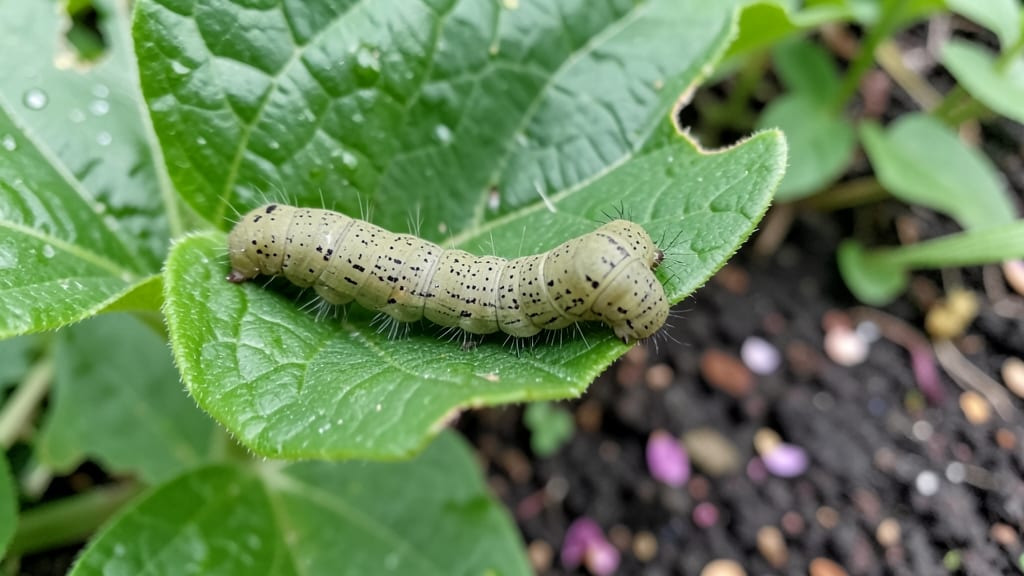
Caterpillars in your garden aren’t just a nuisance—they’re nature’s cleanup crew gone overboard. 🌿 I’ve watched tomato hornworms strip my plants bare in a single afternoon, but I’ve also learned how to keep them in check without wiping out the butterflies and bees that keep my garden thriving.
The key is knowing which caterpillars are troublemakers and which ones you can actually leave alone.
Most garden caterpillars—like cabbage worms or tomato hornworms—are easy to spot once you know what to look for. They chew ragged edges, leave behind silky webs, or turn up as plump green grubs on your favorite plants.
The good news? You don’t need harsh chemicals to manage them. Simple tricks like handpicking, introducing parasitic wasps, or using organic sprays keep your plants healthy without harming the ecosystem.
By the end of this guide, you’ll have a foolproof plan to protect your garden while keeping the balance right. Your veggies stay intact, the butterflies return next spring, and you avoid the guilt of using pesticides that hurt more than they help.
Let’s get your garden back in harmony—without turning it into a caterpillar-free wasteland.
Whether you’re dealing with a sudden infestation or just want to prevent one, these methods work for every garden type—from raised beds to sprawling backyard plots. The best part? You’ll save money and keep your soil (and local pollinators) happy in the process.
Why Your Garden Becomes a Caterpillar Buffet
Caterpillars might seem like tiny, fuzzy invaders, but they’re actually nature’s way of recycling plant matter—and your garden is just too tempting for them to resist. Understanding why they show up in the first place helps you outsmart them without disrupting the ecosystem.
Here’s the science behind their garden raids, broken down by the biggest culprits.
Caterpillars are plant specialists, meaning they only eat certain species. If your garden is a smorgasbord of their favorite foods—like cabbage, tomatoes, or fruit trees—you’re basically rolling out the red carpet. Here’s why:
- Larval diet specificity: A single caterpillar species (e.g., cabbage looper or tomato hornworm) may only feed on Brassicas or nightshades. If you grow these plants, you’re signaling, “All-you-can-eat buffet here!”
- Monoculture gardens: Planting large blocks of the same crop (common in vegetable gardens) creates an easy target. Caterpillars can locate and devour entire rows in days.
- Young, tender growth: New leaves and stems are nutrient-dense and easier to chew, making them the caterpillar equivalent of fine dining. Pruning or harvesting too late leaves them vulnerable.
Actionable fix: Interplant “trap crops” (like nasturtiums for squash bugs) or diversify with herbs (e.g., basil repels tomato hornworms). Rotate crops yearly to disrupt their feeding patterns.
Caterpillars are a critical food source for birds, parasitic wasps, and beneficial insects—but if these predators are missing, the caterpillar population explodes. Here’s why their enemies might be MIA:
| Cause | Why It Matters |
|---|---|
| Pesticide use | Broad-spectrum chemicals (like neonicotinoids or pyrethroids) kill both pests and their predators. A garden sprayed with these becomes a caterpillar paradise because their natural checks (e.g., ladybugs, lacewings) vanish. |
| Habitat loss | Without shrubs, water sources, or diverse plantings, birds and insects won’t stick around. For example, braconid wasps (which lay eggs in caterpillars) need undisturbed leaf litter to thrive. |
| Seasonal timing | Some predators (like praying mantises) emerge later in the season, giving early caterpillar hatchlings a head start. Others, like parasitoid flies, are cold-sensitive and inactive in winter. |
Actionable fix: Skip chemical pesticides and introduce predator-friendly plants (e.g., dill for wasps, sunflowers for birds). Leave some “wild” areas with leaf litter or logs to support beneficial insects.
Caterpillars thrive in specific conditions—think of them as tiny, six-legged Goldilocks. Too hot? Too dry? They’ll leave. But if your garden hits their “just right” zone, they’ll stick around and multiply. Here’s what makes your space caterpillar-friendly:
- Moisture levels: Caterpillars need humidity to survive, especially in their early stages. Overwatered soil or dense foliage (like hosta leaves) traps moisture, creating a caterpillar spa.
- Shelter: They hide under leaves, in rolled-up fronds, or inside silken tents. Gardens with thick mulch or unpruned bushes provide perfect hiding spots.
- Warmth: Most caterpillars prefer temperatures between 70–85°F (21–29°C). South-facing gardens or greenhouses accelerate their growth and egg-laying.
Actionable fix: Improve airflow with pruning and reduce mulch thickness near host plants. Use row covers in early spring to block egg-laying moths before they hatch.
Caterpillars don’t just appear—they’re the result of strategic parenting by moths and butterflies. Their life cycle is tightly linked to plant growth, and if you’re not aware of their schedule, you’re always playing catch-up.
- Synchronized hatching: Many moths time egg-laying to coincide with new plant growth. For example, tomato hornworm eggs hatch when tomato seedlings are most vulnerable (late spring).
- Overwintering eggs: Some species (like tent caterpillars) lay eggs in fall that survive winter and hatch in spring, giving them a two-month head start.
- Second-generation outbreaks: If you miss the first wave, caterpillars may pupate and return as adults to lay more eggs later in the season.
Actionable fix: Monitor plants before they’re fully grown—check undersides of leaves for eggs (tiny, round, or oval). Use kaolin clay (a natural barrier) on young plants to deter egg-laying moths.
Natural Ways to Control Garden Caterpillars
Caterpillars may seem like harmless little critters, but when they invade your garden in large numbers, they can quickly devour your plants, leaving behind a trail of destruction. The good news? You can tackle the problem without resorting to harsh chemicals that harm beneficial insects and ecosystems.
Below are targeted solutions based on the most common causes of caterpillar outbreaks, along with preventive tips to keep your garden thriving.
Fix: Encourage natural predators and disrupt their life cycle.
If your garden lacks birds, ladybugs, or parasitic wasps, caterpillars can multiply unchecked. Here’s how to restore balance:
- 🐦 Attract Bird Friends
- Hang bird feeders or install birdhouses near your garden. Birds like robins, blue jays, and chickadees feast on caterpillars.
- Plant native shrubs and berry-producing plants (e.g., serviceberry, elderberry) to provide food and shelter for insect-eating birds.
- 🐞 Introduce Beneficial Insects - Ladybugs and lacewings devour caterpillar eggs and young larvae. Purchase them online or from garden centers and release them in the evening when they’re less likely to fly away. - Parasitic wasps (like Cotesia species) lay eggs inside caterpillars, killing them from within.
These wasps are harmless to humans and won’t sting.
- 🌿 Plant Companion Plants
- Marigolds, basil, and dill repel some caterpillar species with their strong scents.
- Nasturtiums act as a trap crop—caterpillars prefer them over your veggies, so plant them as a sacrificial barrier.
💡 Pro Tip: Avoid broad-spectrum pesticides, which kill predator insects along with pests. Instead, use neem oil (a natural deterrent) or Bt (Bacillus thuringiensis), a bacteria that targets caterpillars without harming other wildlife.
Fix: Remove caterpillars manually or use targeted treatments.
If caterpillars are feasting on your tomatoes, cabbage, or roses, act fast with these easy, hands-on methods:
- 👨🍳 Handpick & Dispose
- Wear gloves and pick caterpillars off leaves in the early morning when they’re sluggish.
- Drop them into soapy water (1 tbsp dish soap per gallon) to kill them instantly.
- For hairy caterpillars (like tomato hornworms), use tweezers to avoid getting stung.
- 🥘 Use Physical Barriers
- Row covers (lightweight fabric) prevent moths from laying eggs on cabbage, broccoli, or Brussels sprouts.
- Copper tape around young trees deters gypsy moth caterpillars, which can strip foliage.
- 🔪 Prune & Destroy Damaged Leaves
- Cut off heavily infested leaves and burn or compost them (not in a pile where they can hatch).
- For woody plants (like roses), trim back skeletonized branches to encourage new growth.
🌡️ Hot Tip: If caterpillars are on fruit trees, wrap the trunk with tree collars (sticky barriers) to block climbing pests like tent caterpillars.
Fix: Disrupt their development before they hatch.
Some caterpillars (like cutworms or looper larvae) hide in the soil, making them hard to spot until damage appears. Try these preemptive strikes:
- 🌱 Till or Loosen Soil
- Lightly till the top 2 inches of soil in early spring to expose and dry out cutworm eggs.
- Mulch with diatomaceous earth (a fine powder that dehydrates larvae) around plant bases.
- ⏰ Time Your Planting
- Cutworms are most active at dusk and dawn. Plant collars (toilet paper rolls cut in half) around young seedlings to protect stems.
- Avoid planting late in the season—many caterpillars emerge in August and September.
- 🌿 Use Beneficial Nematodes
- Microscopic nematodes (like Steinernema carpocapsae) infect and kill cutworms and loopers in the soil. Apply them in the evening with a watering can.
✨ Prevention Power Move: Rotate crops yearly to starve out soil-dwelling caterpillar species that rely on specific plants.
Fix: Make your garden less inviting to caterpillars.
The best defense is a healthy, resilient garden. Implement these low-maintenance habits to keep caterpillars at bay:
- 🌿 Maintain Plant Health
- Stressed plants attract more pests. Ensure proper watering, sunlight, and soil nutrients.
- Compost regularly to boost plant immunity.
- 🌱 Choose Resistant Varieties
- Some plants are naturally deterrent to caterpillars. Try:
- Tomatoes: ‘Defiant PhR’ (resistant to hornworms)
- Cabbage: ‘Red Express’ (tolerates some cabbage worms)
- Roses: ‘Knock Out’ series (less appealing to sawfly larvae)
- Some plants are naturally deterrent to caterpillars. Try:
- 🌙 Disrupt Mating Cycles
- Pheromone traps (for gypsy moths or tent caterpillars) can reduce egg-laying.
- Plant trap crops like nasturtiums or mustard greens to lure caterpillars away from your prized plants.
- 🌱 Encourage Diversity
- Monocultures (large patches of one plant) attract more pests. Mix plant types to confuse caterpillars and their predators.
💡 Final Thought: A balanced garden—with predators, pollinators, and healthy plants—is the best caterpillar deterrent. With these methods, you’ll enjoy a lush, pest-free garden without harming the ecosystem!
Frequently asked questions
Which caterpillars are actually good for my garden?
Many caterpillars transform into beneficial pollinators! For example, swallowtail and monarch caterpillars become butterflies that help pollinate flowers. Others, like luna moth caterpillars, feed on trees without causing major damage. The key is identifying them—leave the striped, fuzzy, or patterned ones alone unless they’re overwhelming your plants.
How do I tell if caterpillars are damaging my plants or just munching harmlessly?
Look for ragged edges or skeletonized leaves (where only veins remain) as red flags. Healthy nibbling leaves some leaf tissue intact, while destructive caterpillars strip plants bare. Check undersides of leaves for eggs or webbing—these signs mean it’s time to act.
Can I use soap spray on caterpillars without harming my plants?
Yes! A 1-tablespoon dish soap per gallon of water spray works well, but test it on a small leaf first. Avoid spraying in direct sunlight or on flowering plants, as soap can harm beneficial insects like bees. Reapply every 2-3 days for best results—it’s safe for most edible plants when used correctly.
What’s the fastest way to stop a caterpillar outbreak before it spreads?
Handpick them daily and drop them in soapy water—it’s the quickest method. For hidden pests, use Bt (Bacillus thuringiensis) spray, which targets caterpillars only. Act within 48 hours of spotting damage to prevent further destruction.
Do caterpillars come back year after year, or is it a one-time problem?
Many species overwinter as eggs or pupae, so they do return if conditions are right. To break the cycle, remove all caterpillars, eggs, and webbing in fall. Use row covers in early spring to block moths from laying new eggs.