Pests
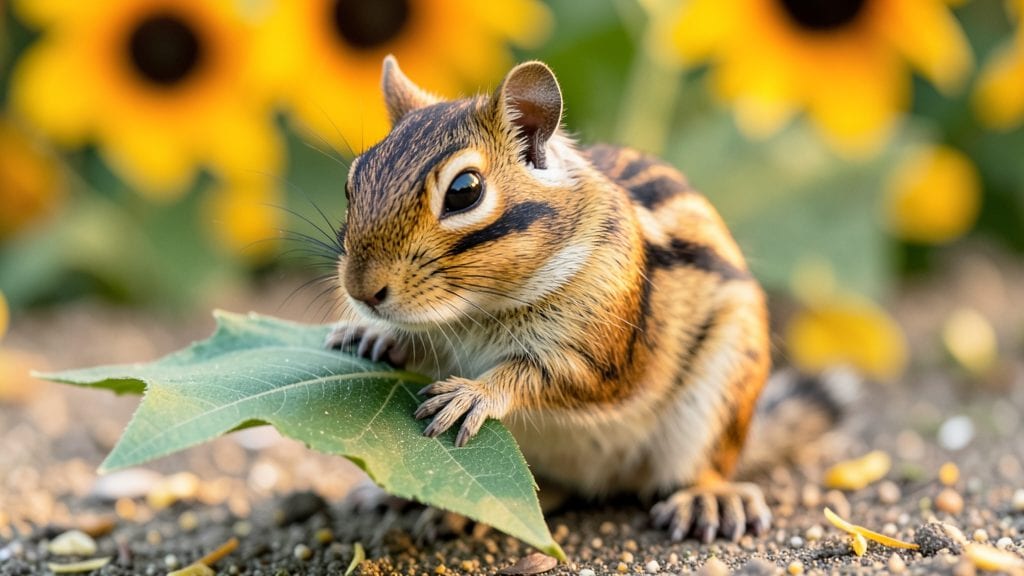
My garden’s chipmunk problem turned into a lesson in patience and cleverness after I tried every "scare tactic" under the sun—until I found the humane methods that actually work. These striped troublemakers don’t just steal seeds; they dig up entire rows, leaving your hard work looking like a war zone.
The key isn’t cruelty—it’s outsmarting them with barriers, habitat tweaks, and repellents they can’t resist.
You’ll need hardware cloth, wire mesh, and a few simple supplies like cayenne pepper or predator urine (yes, the real stuff).
The trick is making your garden less appealing than their natural foraging spots—think raised beds with buried edges and mulch that’s too thick for them to dig through.
I’ve kept chipmunks out of my beds for two full seasons using these methods, and my tomatoes haven’t seen a single stolen seedling since.
What you’ll achieve is a garden that stays intact while still letting chipmunks live their lives nearby—no traps, no harm, just a clever boundary. Picture your rows staying neat, your seedlings sprouting undisturbed, and those little striped bandits happily munching on something else entirely.
The best part? These solutions work whether you’ve got a small container garden or a half-acre plot.
Here’s the game-changer: chipmunks are creatures of habit, so once you establish these deterrents, they’ll move on to easier targets. The upfront effort pays off in less stress and more harvests—no more waking up to trenches where your lettuce used to be.
Let’s get your garden back from those tiny, determined thieves.
📚 In This Guide
- What you need
- Instructions
- Tips and common mistakes
- Wrapping up and next steps
What you need
- ● Wire mesh or hardware cloth: ¼-inch or ½-inch mesh (enough to cover vulnerable areas like compost bins, garden beds, or entry points). Quantity: 5–10 ft² (adjust based on garden size).
- ● Stakes or clips: Heavy-duty garden stakes or zip ties to secure mesh in place.
- ● Repellent plants: Marigolds, daffodils, or alliums (3–5 plants per section).
- ● Motion-activated sprinkler: Solar-powered or battery-operated (e.g., Orbit Enforcer).
- ● Pet-safe repellent sprays: Commercial options like Hot Pepper Wax or DIY blends (garlic, cayenne pepper, and water). Quantity: 1–2 spray bottles.
- ● Gloves and eye protection: For handling spicy or strong-smelling repellents.
- ● Ultrasonic repellent devices: Plug-in or solar-powered (e.g., Neatmaster Repellent).
- ● Decoy predators: Fake owls or snakes (rotate placement weekly for effectiveness).
- ● Compost bin with a locking lid: Airtight to deny chipmunks access to food sources.
- ● Citrus or coffee grounds: Scatter around garden edges as natural deterrents.
- ● Camera trap: To monitor chipmunk activity and adjust strategies (e.g., Spypoint Link).
Step-by-step instructions for humane chipmunk deterrents
Here’s how to keep these energetic little foragers out of your garden without harming them.
Identify Problem Areas and Remove Attractions
Start by walking your garden in the early morning or late afternoon—when chipmunks are most active—and note where you see them digging or foraging. Look for fresh holes, scattered seeds, or disturbed mulch. These are your high-priority zones. Chipmunks are drawn to easy meals, so remove fallen fruit, uneaten produce, and any spilled birdseed. I also clear away thick ground covers and leaf litter in planting beds, as these provide perfect hiding spots for them to stash their food.
Pay special attention to garden edges, especially near fences, sheds, or woodpiles. These areas often become chipmunk highways. Once you’ve identified the hotspots, focus your deterrents there first. The goal isn’t just to scare them away but to make your garden less appealing than the wild areas around it. I’ve found that chipmunks will abandon a garden if they can’t find food or shelter easily.
Install Physical Barriers in High-Risk Zones
Use the 1-inch hardware cloth to create a barrier around vulnerable plantings, especially young seedlings, bulbs, or shallow-rooted crops like lettuce and carrots. Bury the hardware cloth 6 inches deep around the perimeter of garden beds to prevent chipmunks from digging underneath. For raised beds, attach the mesh to the inside edges of the frame before filling with soil. Chipmunks can squeeze through gaps as small as ½ inch, so secure the mesh tightly with staples or landscape staples.
If you have specific plants you’re determined to protect, like tulip bulbs or strawberry patches, consider individual wire mesh cages over the planting area. These can be temporary and removed once the plants mature. I’ve used chicken wire in a pinch, but hardware cloth lasts longer and won’t rust as quickly. Avoid plastic or flexible mesh—chipmunks can chew through it in no time.
Use Motion-Activated Deterrents Strategically
Place the motion-activated sprinkler in the center of high-traffic areas, such as between garden beds or near compost piles. Set it to a low spray intensity—just enough to startle the chipmunks without soaking the soil or damaging plants. The sudden burst of water will disrupt their foraging patterns, and they’ll eventually learn to avoid the area. I’ve found that positioning the sprinkler 12-18 inches above ground level ensures it catches them without wetting the leaves of low-growing plants.
For areas where water isn’t practical, like near patios or walkways, use the motion-activated ultrasonic repellent. Place these devices at least 10 feet apart to cover larger zones effectively. Chipmunks are sensitive to high-frequency sounds, and the random bursts will make them uneasy. I’ve had the best luck with units that emit sounds in the 20-40 kHz range, as these are inaudible to humans but irritating to rodents. Test the range by observing chipmunk activity—if they’re still digging after a few days, move the device closer.
Employ Natural Repellents and Scents
Apply the hot pepper spray directly to the soil surface around problem areas, focusing on entry points and active digging sites. Reapply every 5-7 days or after heavy rain, as the scent will wash away. The capsaicin in hot peppers irritates chipmunks’ sensitive noses and mouths, making them avoid treated areas. I mix the spray in a spray bottle for precision and avoid spraying on foliage, as it can harm plants. For larger areas, use a garden sprayer to cover more ground efficiently.
Place the predator urine granules around the perimeter of garden beds, near compost bins, and along fence lines. The scent mimics that of natural predators like foxes or coyotes, which chipmunks instinctively avoid. Sprinkle the granules sparingly—a little goes a long way. Reapply every 2-3 weeks or after rain. I’ve found that combining this with the hot pepper spray creates a stronger deterrent effect. Avoid using predator urine on edible plants, as the scent can linger and affect flavor.
Maintain Long-Term Deterrents and Monitor Results
Check your deterrents weekly, especially after rain or heavy watering, to ensure they’re still effective. Replace any damaged hardware cloth, refill predator urine granules, and recharge motion-activated devices as needed. Keep a journal of chipmunk activity—note where you see them, what deterrents you’ve used, and whether they’re working. Over time, you’ll identify patterns, such as which repellents chipmunks ignore or which areas they keep returning to.
If chipmunks persist in one spot, combine multiple deterrents. For example, use hardware cloth in a problem bed, add hot pepper spray to the soil, and place a motion-activated sprinkler nearby. Chipmunks are clever but not invincible—they’ll eventually give up if every attempt to forage in your garden is met with frustration. Stay consistent, and you’ll see a noticeable reduction in digging and damage within 2-4 weeks.
Tips & tricks for humane chipmunk deterrents that actually work
These practical insights will help you implement humane chipmunk deterrents more effectively, ensuring long-term success without harming these clever little creatures.
Timing is Everything: Chipmunks are most active during dawn and dusk, so focus your deterrent placement and monitoring during these windows. I've found that early morning inspections reveal fresh digging activity, while evening patrols help assess which deterrents are working. The key is consistency—chipmunks learn patterns quickly, so maintain your deterrents daily during these peak activity times.
Barrier Installation Precision: When installing 1-inch hardware cloth, pay special attention to securing it tightly around all edges. Chipmunks can exploit even small gaps—just ½ inch is enough for them to squeeze through. I recommend using heavy-duty staples or landscape staples every 6-8 inches along the perimeter. For raised beds, attach the mesh to the inside edges before filling with soil to prevent them from digging underneath from the start.
Layered Deterrent Strategy: Chipmunks are intelligent and may become accustomed to single deterrents over time. The most effective approach combines multiple methods in high-risk zones. For example, use hardware cloth around vulnerable plants while simultaneously applying hot pepper spray and placing a motion-activated sprinkler nearby. This layered approach creates a multi-sensory deterrent that's much harder for them to adapt to.
Repellent Application Technique: When applying hot pepper spray or predator urine granules, focus on high-traffic areas and entry points rather than spreading them uniformly. I've noticed chipmunks quickly learn to avoid treated zones when the scent is concentrated around their foraging paths. For predator urine, place granules near disturbed soil or along garden edges where chipmunks frequently travel between their burrows and feeding areas.
Pro Tips for Chipmunks In Garden
- These practical insights will help you implement humane chipmunk deterrents more effectively, ensuring long-term success without harming these clever little creatures.
- Timing is Everything: Chipmunks are most active during dawn and dusk, so focus your deterrent placement and monitoring during these windows.
- Barrier Installation Precision: When installing 1-inch hardware cloth, pay special attention to securing it tightly around all edges.
Frequently asked questions
Got questions about dealing with chipmunks in your garden? You’re not alone! Here are some of the most common concerns—and practical solutions—from gardeners who’ve been there.
Are chipmunks actually harmful to my garden?
Chipmunks are more of a nuisance than a threat—they dig up bulbs, nibble on veggies, and may chew wires or garden hoses. While they don’t spread diseases like rodents, their digging can damage roots and soil structure. The key is early action to prevent them from making themselves at home!
What’s the best time of year to deter chipmunks?
Spring and early summer are critical! Chipmunks are most active when they’re foraging for food to store for winter. Act now (before they nest) by securing trash cans, removing food sources, and installing deterrents. Fall is also key—they’re prepping for winter and will raid gardens aggressively.
Will peppermint oil or spicy sprays really work?
Yes—but with a few caveats! Peppermint oil (diluted with water) and cayenne pepper sprays can repel chipmunks temporarily. Reapply every 2–3 days (rain washes it away), and avoid spraying edible plants. For longer-term results, combine repellents with physical barriers like hardware cloth or mulch rings around plants.
How do I keep chipmunks from digging under my deck or patio?
Chipmunks love to burrow in loose soil or mulch. Seal entry points with:
- Hardware cloth (¼-inch mesh) buried 12 inches deep around the perimeter.
- Steel wool stuffed into gaps (it expands and deters digging).
- Decorative rocks or gravel (they dislike the texture).
Can a pet dog or cat scare chipmunks away for good?
Pets can help, but don’t rely on them alone! A dog’s presence might deter chipmunks, but they’ll return once your pet isn’t around. For a long-term solution, combine pet supervision with other deterrents (like repellents or barriers). Cats are hit-or-miss—some chipmunks are too fast or agile to catch!
What if chipmunks keep coming back after I’ve tried everything?
Persistence pays off! If chipmunks return, reassess your approach:
- Are food sources (birdseed, pet food, fallen fruit) still accessible?
- Is there shelter nearby (piles of wood, dense shrubs)?
- Have you tried humane relocation (check local laws first)?
Wrapping up and next steps
Chipmunks in your garden don’t have to mean chaos or frustration! With the right humane deterrents—like repellents, habitat tweaks, and clever barriers—you can coexist peacefully while keeping your plants safe. 🌱 The key is patience and consistency, but trust us, it’s worth the effort.
Ready to reclaim your garden? Start by picking one or two methods from this guide and observe how your furry visitors respond. Over time, you’ll find the perfect balance that works for both you and your tiny neighbors. Happy gardening! 🌿