
Planting
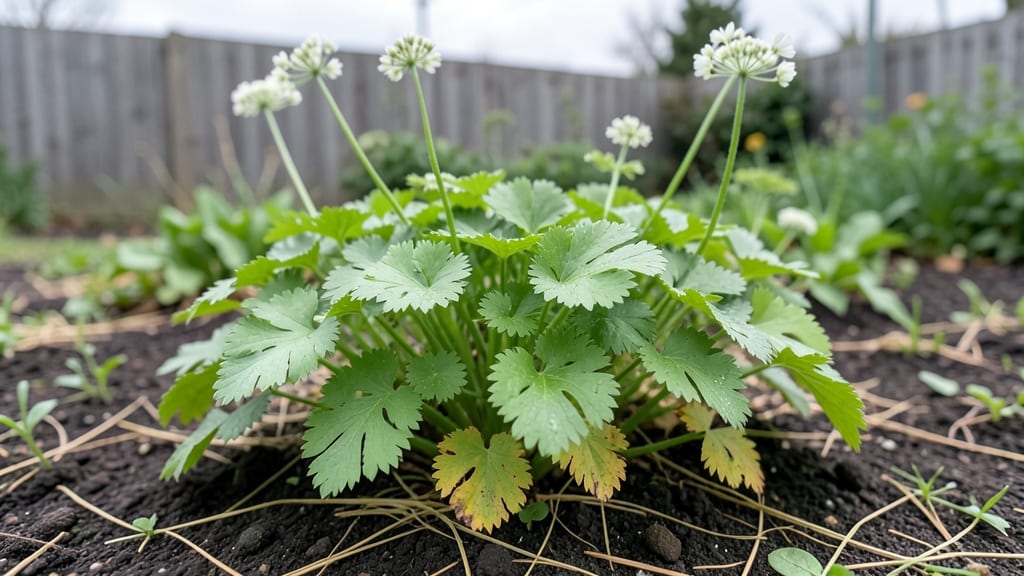
My cilantro plant garden thrives because I treat it like the high-maintenance diva it is—cool soil, consistent moisture, and shade from the afternoon sun. 🌱 The secret isn’t complicated, but skipping these basics means bolting before you even get to harvest time.
Most gardeners give up after the first heatwave, but I’ve grown cilantro continuously for three seasons now.
Start with a 6-inch-deep bed of loose, well-draining soil mixed with compost—cilantro hates compacted roots. Plant seeds ½-inch deep, spaced 2 inches apart, and keep them moist until sprouts appear in 7-14 days.
Transplants work too, but seedlings give you more control over spacing and timing. The key is succession planting every 2-3 weeks to stretch your harvest from spring to fall.
You’ll know you’ve nailed it when your plants stay bright green and bushy instead of stretching toward the sun. Regular harvesting—outer leaves first—encourages new growth and prevents bolting.
Even in summer, shade cloth keeps the leaves tender and flavorful. The payoff? Fresh cilantro for tacos, soups, and garnishes all season long.
Works in containers too—just use 5-gallon pots for a small family harvest. The same rules apply: shade, water, and patience. Here’s how to keep it thriving even when the weather turns hot.
📚 In This Guide
- What you need
- Instructions
- Tips and common mistakes
- Wrapping up and next steps
What you need
- ● Cilantro seeds: 1 packet (about 200-300 seeds) or organic cilantro seedlings (if transplanting). Opt for heirloom or organic varieties for best flavor.
- ● Containers or garden bed: For containers: 6–12-inch deep pots with drainage holes (1–2 plants per 6-inch pot). Use 4–6 containers if growing in groups.
- ● For garden beds: A sunny spot with well-draining soil (6+ hours of sunlight daily). Space rows 12–18 inches apart.
- ● Potting mix: 1–2 bags of high-quality, organic seed-starting mix or garden soil amended with compost (avoid heavy clay soil).
- ● Watering can or hose: With a gentle spray nozzle for even moisture.
- ● Fertilizer: Balanced, water-soluble fertilizer (5-5-5 or 10-10-10) or compost tea for organic growth.
- ○ Mulch (optional but recommended): Straw or shredded leaves to retain moisture and suppress weeds.
- ● Grow lights (if starting indoors before last frost).
- ● Plant markers or labels (cilantro bolts quickly—keep track!).
- ● Pruning shears (for harvesting and encouraging bushier growth).
- ● Shade cloth (30–50%) for hot climates to prevent bolting.
- ● Epsom salt (1 tbsp per gallon of water monthly for magnesium boost).
Instructions: how to cultivate a thriving cilantro garden
Here’s the system I’ve perfected for growing cilantro that stays lush and productive—no more bolted, bitter plants.
🌱 Step 1: Prepare the Soil for Optimal Germination
Cilantro thrives in loose, nutrient-rich soil with excellent drainage. Amend your garden bed with 2 inches of compost and 1 inch of perlite to prevent compaction and improve aeration. Work these into the top 6 inches of soil—cilantro roots are shallow, so deep amendments won’t help. Test the soil pH; cilantro prefers a range of 6.2 to 6.8. If your soil is heavier clay, mix in 1 part sand to 3 parts soil for better moisture control.
I like to rake the area smooth after amending, then lightly tamp it down with the back of a hoe. This creates a firm seedbed that helps tiny seeds make good contact with the soil. Avoid overworking the soil—cilantro roots are delicate, and excessive tilling can damage them before they even sprout.
🌱 Step 2: Sow Seeds Correctly for Even Growth
Plant cilantro seeds ¼ inch deep and ½ inch apart in rows spaced 12 inches apart. Scatter them thinly—crowding leads to weak, leggy plants. I use a small hand seeder or simply pinch seeds between my thumb and forefinger to drop them precisely. Cover lightly with a fine layer of soil, then mist gently with water until the surface looks evenly damp but not soggy.
Here’s the thing—cilantro seeds germinate best in consistent moisture. Place a clear plastic dome or row cover over the bed to retain humidity. Keep the soil temperature between 60°F and 75°F for fastest germination, which typically takes 7 to 14 days. If your soil is cooler, soak the seeds for 12 hours in lukewarm water before planting to speed things up.
☀️ Step 3: Manage Light and Water for Lush Growth
Cilantro needs 4 to 6 hours of direct sunlight daily to stay vibrant and avoid bolting. In hot climates, provide afternoon shade to prevent the plant from flowering too quickly. I’ve found that drip irrigation or soaker hoses work best—water deeply once every 2 to 3 days, ensuring the top 2 inches of soil stay moist but never waterlogged.
Watch for signs of stress: if leaves yellow or wilt, you’re either overwatering or underwatering. Cilantro is sensitive to both extremes. Mulch with 1 inch of straw after germination to retain moisture and suppress weeds. This also keeps the soil temperature stable, which is key for preventing premature flowering.
✂️ Step 4: Harvest Strategically for Continuous Yields
Start harvesting cilantro 3 to 4 weeks after germination, when the plants reach 6 to 8 inches tall. Use clean, sharp scissors to snip leaves just above a pair of leaves or a leaf node—this encourages bushier growth. I like to harvest in the morning after the dew has dried, as the leaves are crispest then.
To keep your cilantro producing for months, cut back one-third of the plant at a time. Avoid harvesting more than half the plant at once, or it may struggle to recover. If your cilantro starts to bolt (send up flower stalks), cut the entire plant back to 2 inches above the soil. Sometimes, this encourages a second flush of leaves, though it’s not guaranteed.
🌿 Step 5: Extend the Harvest Season with Smart Planning
Cilantro bolts quickly in warm weather, so plan for successive plantings every 2 to 3 weeks for a continuous harvest. In hot climates, grow cilantro in late summer or early fall when temperatures drop below 75°F. For year-round production, consider growing it indoors under grow lights with 12 to 14 hours of light daily. Use the same soil mix and watering routine, but keep the environment cool and humid to mimic outdoor conditions.
If you’re growing cilantro in containers, choose pots that are at least 6 inches deep and 12 inches wide for each plant. This gives roots enough room to spread without becoming root-bound. Place containers in a spot that gets morning sun and afternoon shade, and water whenever the top inch of soil feels dry. With this approach, you’ll enjoy fresh cilantro for 8 to 10 weeks before bolting becomes an issue.
Tips & tricks for perfect cilantro plant growth
These game-changing hacks will transform your cilantro from bitter disappointment to garden superstar.
Soil Temperature Secret: The 60°F to 75°F range isn't just ideal—it's non-negotiable for germination. I've learned this the hard way after watching seeds fail in cooler soil. If your spring soil is still chilly, create a mini greenhouse by covering the bed with clear plastic for a few days before planting to warm it up naturally. This simple step can cut germination time from 14 days to just 7 days.
Precision Planting Technique: When planting those delicate seeds ¼ inch deep in Step 2, use a toothpick to make tiny holes—this prevents over-deepening that can suffocate young sprouts. I also recommend planting in shallow trays first if you're nervous about spacing. Once seedlings reach 2 inches tall, transplant them to their final positions ½ inch apart. This two-step approach gives you better control over spacing and reduces transplant shock.
Light Management Strategy: The 4 to 6 hours of sunlight rule is your golden window, but timing matters just as much. In summer, I position my cilantro to get morning sun only, then move it to partial shade by afternoon. This prevents the heat stress that triggers bolting. For container growers, rotate pots weekly so all sides get equal light exposure—uneven growth is a common mistake that leads to leggy, weak plants.
Harvesting Hack: That 2-inch pruning when bolting occurs isn't just about cutting flowers—it's about stimulating new growth from the base. I've found that if you leave just 2-3 healthy leaves at the base, the plant often sends out fresh shoots within 2 weeks. This works particularly well with container-grown cilantro, where you can control the environment more precisely.
Pro Tips for Cilantro Plant Garden
- These game-changing hacks will transform your cilantro from bitter disappointment to garden superstar.
- Soil Temperature Secret: The 60°F to 75°F range isn't just ideal—it's non-negotiable for germination.
- Precision Planting Technique: When planting those delicate seeds ¼ inch deep in Step 2, use a toothpick to make tiny holes—this prevents over-deepening that can suffocate young sprouts.
Frequently asked questions
Got questions about growing cilantro in your garden?
Here are some of the most common concerns—and their solutions—to help you cultivate a thriving herb patch with ease!
How long does it take for cilantro to grow from seed?
Cilantro is a fast grower! You’ll see tiny sprouts in just 5–7 days, with harvest-ready leaves in 3–4 weeks under ideal conditions (warm soil, consistent moisture, and full sun). For a continuous harvest, sow seeds every 2–3 weeks—just be mindful of bolting (see next question!).
Why does my cilantro bolt so quickly?
Cilantro bolts (sends up flowers and turns bitter) when it gets too hot (above 75°F/24°C) or dries out. To prevent this:
- Plant in cool weather (spring/fall).
- Use shade cloth in summer.
- Keep soil consistently moist (not soggy!).
- Harvest outer leaves first to encourage regrowth.
Can I grow cilantro indoors or in containers?
Cilantro thrives in 5–6 inch deep containers with drainage holes. Place it near a sunny window (south-facing) or under grow lights (12–14 hours/day). Use a light, well-draining potting mix and fertilize lightly every 4–6 weeks. Just watch for leggy growth—rotate pots weekly for even light exposure!
What pests or diseases should I watch for in my cilantro garden?
Cilantro is relatively pest-resistant, but keep an eye out for:
- Aphids: Spray with water or introduce ladybugs.
- Spider mites: Increase humidity (mist plants) or use neem oil.
- Fungal issues (like powdery mildew): Improve airflow and avoid overhead watering.
What can I plant with cilantro to improve growth?
Cilantro loves companions like:
- Carrots (repels aphids).
- Onions/garlic (deters pests).
- Lettuce (shares similar growing conditions).
Wrapping up and next steps
Growing your own cilantro plant garden is a rewarding journey that brings fresh, flavorful herbs right to your kitchen! With the right growth hacks—like proper spacing, consistent watering, and pest control—you’ll enjoy a bountiful harvest in no time.
Whether you’re a seasoned gardener or just starting, these tips make it easy to cultivate vibrant, healthy cilantro.
Now that you’re armed with the know-how, roll up your sleeves and get planting! 🌱 Start small, experiment with containers or garden beds, and soon you’ll be savoring homegrown cilantro in your favorite dishes. Happy growing!