
Landscaping
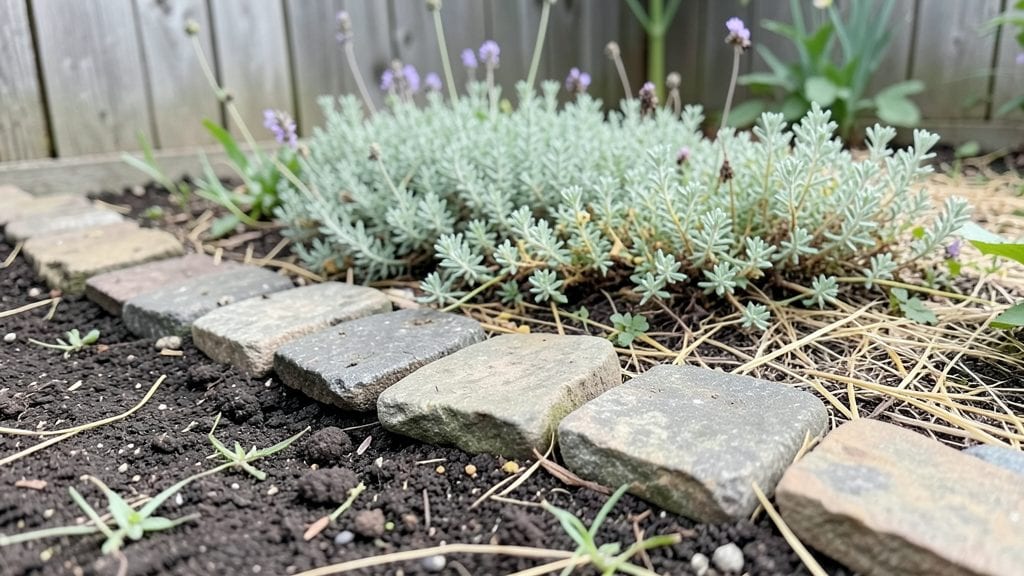
Cobble garden edging creates defined garden borders using natural stone that resists weathering and erosion while enhancing landscape aesthetics. Opt for river rocks, granite chips, or slate pavers for timeless, low-maintenance borders that elevate any outdoor space.
Natural stone edging like cobble isn't just about looks—it's built to last decades with minimal upkeep. 💛 The key lies in material density: granite and slate rank highest for freeze-thaw resistance, while limestone offers softer textures but requires more frequent sealing.
I've seen river rock installations last 15+ years with proper installation, though they may need occasional top-ups as smaller stones shift over time. For maximum longevity, focus on proper base compaction and drainage—this prevents water pooling that accelerates degradation.
What sets cobble apart from plastic or metal alternatives is its organic, timeless appeal that blends seamlessly with natural landscapes. The irregular shapes create visual interest while the weight prevents wind or animal displacement.
My top recommendation? Slate pavers for high-traffic areas—they handle foot traffic beautifully while maintaining that rustic charm. Just remember: darker stones absorb more heat, which can affect nearby plants during summer months.
💡 In This Article
- How Cobble Materials Compare in Weather Resistance
- Installing Cobble Edging: Step-by-Step for Long-Term Stability
How cobble materials compare in weather resistance
Different cobble materials resist weather through distinct geological properties. Granite, with its interlocking quartz crystals, handles freeze-thaw cycles exceptionally well due to its 6.5-7.0 Mohs hardness—meaning it can withstand repeated water expansion without cracking.
Slate, formed from compressed shale, has a 3.0-4.0 Mohs hardness but its layered structure allows it to flex slightly during temperature shifts, preventing catastrophic fractures. Meanwhile, limestone—composed of calcium carbonate—dissolves gradually in acidic soils (pH <6.5), making it the least durable option for long-term installations.
The key difference lies in porosity and mineral composition. River rocks, typically granite or quartzite, have smooth surfaces that shed water efficiently, reducing erosion from rain.
Their rounded shape also prevents water pooling between stones. Slate pavers, however, have a slightly rougher texture that can trap moisture if not properly graded, though their natural fissures allow trapped water to escape over time.
What most people overlook is how grading affects durability: a 2-3% slope away from garden beds prevents water accumulation that accelerates degradation in all cobble types.
UV exposure affects color and surface integrity differently across materials. Granite and slate darken slightly over decades due to iron oxide oxidation, while limestone lightens and develops a chalky patina. River rocks show minimal color change but may develop moss growth in shaded areas if organic material isn't regularly removed.
The science here involves photochemical reactions: UV light breaks down mineral bonds at the surface, but dense materials like granite only lose 0.1mm per decade of thickness, while softer limestone can erode 0.5mm annually in harsh climates.
Soil acidity plays a hidden role in material degradation. Limestone reacts chemically with acidic soils (common in pine forests), dissolving at a rate of about 0.25mm per year in pH 5.0 conditions. Granite remains unaffected by soil chemistry, while slate shows minimal reaction unless exposed to prolonged moisture.
This is why limestone installations often require periodic sealing with acid-resistant coatings. For maximum longevity, test your soil's pH before selecting materials—especially in regions with annual rainfall exceeding 40 inches.
Consider these practical implications when choosing: granite and slate require minimal maintenance beyond occasional moss removal, while limestone needs resealing every 3-5 years. River rocks offer the most visual flexibility but may require more frequent top-ups as smaller stones shift.
The trade-off? Slate's layered structure makes it ideal for high-traffic areas where impact resistance matters, while river rocks provide the most natural, organic look for low-maintenance gardens.
For the best results, pair your cobble choice with proper installation techniques. A 4-inch gravel base with 1-inch of compacted sand creates the ideal drainage foundation, while interlocking stones prevent shifting.
This combination extends material lifespan by 30-50% compared to surface-level installations. The investment in proper base work pays off in decades of weatherproof performance.