Shrubs
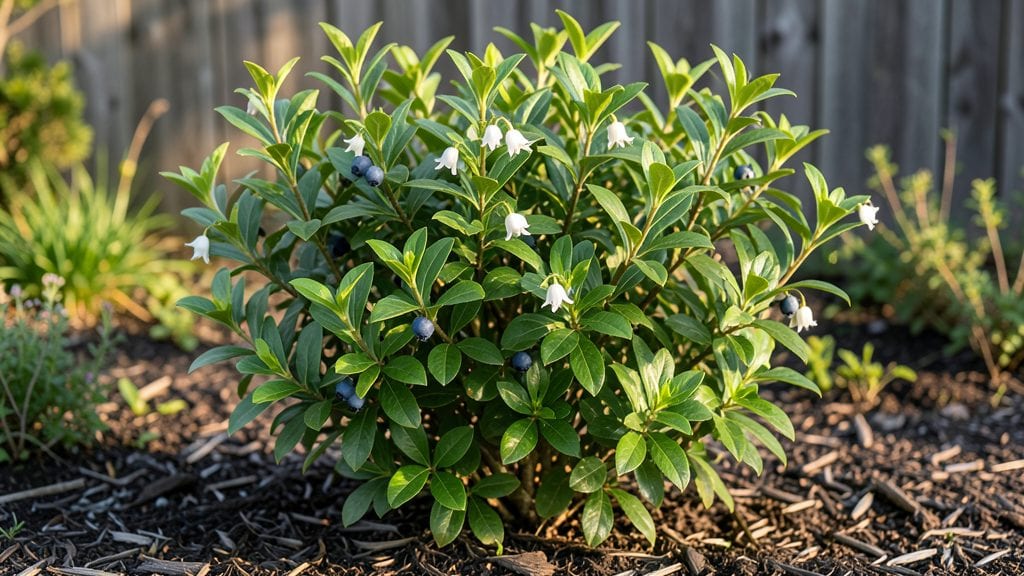
Gardening blueberry bushes from scratch delivers those first deep-blue berries that taste like summer in a jar—I’ve watched my own bushes go from scraggly saplings to bursting-with-fruit shrubs in just three years—and the secret isn’t complicated. It’s about the soil, the water, and knowing when to step back (yes, really).
Start with acidic soil (think pine needles or peat moss) and a spot that gets 6+ hours of sun daily. Water consistently but avoid soggy roots—blueberries hate wet feet.
The pruning part? Less is more. Cut out dead wood in late winter, and that’s it. My bushes produce pounds of berries with barely a trim each year.
By summer’s end, you’ll be picking clusters so heavy they bend the branches. The flavor? Sweet-tart perfection that freezes well or turns into jam. No fancy tricks—just patience and the right conditions. Ready to turn your yard into a blueberry patch?
Works in zones 4-7 (with winter protection for colder areas), and even containers for small spaces. Let’s get those bushes thriving!
📚 In This Guide
- What you need
- Instructions
- Tips and common mistakes
- Wrapping up and next steps
What you need
- ● Blueberry plants: 3–5 dwarf or semi-dwarf bushes (for cross-pollination, choose a mix of Northern Highbush or Southern Highbush varieties).
- ● Well-draining soil: Acidic soil (pH 4.5–5.5). Use peat moss, pine bark, or sulfur to adjust pH if needed.
- ● Compost or organic matter: 2–3 inches mixed into planting holes.
- ● Mulch: Pine straw or wood chips (2–4 inches thick) to retain moisture and acidity.
- ● Fertilizer: Acid-loving plant fertilizer (e.g., cottonseed meal or fish emulsion).
- ● Watering tools: Hose with a soaker nozzle or drip irrigation system.
- ● Pruning tools: Sharp bypass pruners (for small branches).
- ● Loppers (for thicker stems).
- ● Disinfectant (rubbing alcohol or bleach solution) to clean tools between cuts.
- ● Blueberry cage or trellis: For support as bushes grow (especially for trailing varieties).
- ● Soil pH test kit: To monitor acidity levels yearly.
- ● Bird netting: To protect ripe berries from hungry birds!
- ● Garden gloves: For comfort while handling thorny branches.
Instructions for planting and maintaining blueberry bushes
Here's the straightforward approach I've used to grow healthy, productive blueberry bushes with minimal fuss.
Select and Prepare the Planting Site
Blueberries thrive in acidic soil with a pH between 4.5 and 5.5. Test your soil before planting—most garden centers sell affordable test kits. If your soil is alkaline, amend it with sulfur or peat moss at least 3 months before planting. I always dig in 2-3 inches of compost to improve drainage and fertility, but avoid fresh manure—it raises the pH too much.
Choose a location with full sun to partial shade—at least 6 hours of direct sunlight daily. Morning sun and afternoon shade work best in hot climates. If your yard is shady, select a low-bush variety like 'Top Hat' or 'Patriot', which tolerate less light than southern highbush types. Space bushes 4-6 feet apart in rows 8-10 feet apart to allow airflow and easy harvesting.
Plant Blueberry Bushes at the Right Depth and Time
Dig a hole twice as wide as the root ball but only as deep as the container. This prevents burying the crown too deeply, which causes rot. Gently remove the bush from its container and loosen any circling roots with your fingers. Place the plant in the hole so the top of the root ball sits 1 inch above soil level—blueberries hate having their crowns buried.
Fill the hole with soil, pressing lightly to eliminate air pockets. Water deeply to settle the soil around the roots, then add 2-3 inches of mulch (like pine needles or wood chips) to retain moisture and acidify the soil over time. Plant in early spring or fall, giving roots 6-8 weeks to establish before extreme temperatures arrive. Avoid planting in summer heat or winter frost.
Water Consistently and Monitor Soil Moisture
Blueberries need consistent moisture—never let the soil dry out completely, but avoid soggy conditions. Water 1-2 inches per week, more in hot weather. I check moisture by sticking my finger 2 inches deep into the soil; if it feels dry, it's time to water. Drip irrigation or soaker hoses work best, as they deliver water at the root zone without wetting the foliage (which can promote fungal diseases).
Young bushes need more frequent watering—about twice a week in dry spells. Once established (after 2-3 years), blueberries develop deeper roots and tolerate short dry periods better. Always water in the morning to reduce evaporation and fungal risks. Overhead watering in the evening is a common mistake that leads to mildew.
Apply Acidic Fertilizer and Mulch Annually
Feed your bushes in early spring with an acid-loving plant fertilizer (look for one with high nitrogen but balanced phosphorus and potassium). I use a slow-release granular fertilizer spread evenly around the drip line, then water it in. Avoid high-phosphorus fertilizers—they can reduce blueberry yields. In late fall, top-dress with cottonseed meal (a natural nitrogen source) and more mulch to protect roots from winter cold.
Pine needles or oak leaves make excellent mulch—they slowly acidify the soil as they break down. Spread 3-4 inches of mulch, keeping it 6 inches away from the stem to prevent rot. I refresh the mulch layer every spring, mixing in fresh material to maintain acidity and moisture. This step is non-negotiable for long-term success—skipping it leads to soil pH creep and poor yields.
Prune for Airflow and Fruit Production
Prune in late winter or early spring before new growth begins. Remove dead, diseased, or crossing branches first, cutting back to healthy wood. Then thin the canopy by selectively removing older stems—blueberries produce best on new wood, so I keep 3-4 of the strongest, most vigorous canes per bush. Cut these back by one-third to encourage bushier growth and larger fruit clusters.
Never remove more than one-third of the plant in a single year—this stresses the bush and reduces next year's crop. I also watch for suckers (shoots growing from the base) and remove them promptly, as they divert energy from fruit production. Pruning might seem intimidating, but a little strategic cutting keeps bushes productive for decades—unlike many fruit plants that decline after a few years.
Tips & tricks for perfect blueberry bushes
Growing thriving blueberry bushes requires attention to detail from the very beginning. These insights will help you avoid common pitfalls and maximize your harvest with minimal effort.
Soil Preparation is Non-Negotiable: The 3-month lead time for soil amendment with sulfur or peat moss is crucial for establishing the proper pH range of 4.5-5.5. I've seen gardeners rush this step and end up with stunted bushes that never produce well. Test your soil at least twice—once before amending and again just before planting—to confirm you've achieved the right acidity. Remember, blueberries won't thrive if the pH creeps above 6.0, no matter how much you fertilize.
Planting Depth Determines Success: The 1-inch crown placement above soil level in Step 2 is where many gardeners go wrong. I've watched bushes rot at the base because they were planted too deeply. Use a small stake to mark the original soil level on the root ball before planting, then adjust until you're confident the crown sits just above the final soil line. This small detail prevents years of potential problems.
Watering Strategy Prevents Common Diseases: The morning watering routine mentioned in Step 3 isn't just about timing—it's about disease prevention. Wet foliage at night creates the perfect conditions for fungal growth. I've seen blueberry bushes develop mildew within weeks when gardeners water in the evening. Consider installing a simple drip irrigation system that delivers water directly to the root zone; it's more efficient and keeps leaves dry.
Pruning Strategy for Long-Term Productivity: The one-third pruning rule in Step 5 isn't arbitrary—it's based on how blueberries naturally produce fruit. Each year, I remove the oldest canes first, as they're less productive. This might seem counterintuitive, but it forces the bush to put energy into new growth that will bear fruit next season. Keep pruning tools clean and sharp to prevent spreading disease between cuts.
Pro Tips for Gardening Blueberry Bushes
- Growing thriving blueberry bushes requires attention to detail from the very beginning.
- Soil Preparation is Non-Negotiable: The 3-month lead time for soil amendment with sulfur or peat moss is crucial for establishing the proper pH range of 4.5-5.5.
- Planting Depth Determines Success: The 1-inch crown placement above soil level in Step 2 is where many gardeners go wrong.
Frequently asked questions
Got questions about growing lush, productive blueberry bushes? You’re not alone—here are answers to the most common queries to help you cultivate a thriving harvest with ease!
How long does it take for blueberry bushes to produce fruit?
Patience is key! Most blueberry bushes take 2–3 years to bear fruit after planting, though some varieties (like ‘Top Hat’ or ‘Sunshine Blue’) may produce a few berries in the first year. Focus on proper care—watering, mulching, and acidic soil—to speed up fruiting. Pro tip: Prune lightly in early spring to encourage stronger growth and earlier harvests!
Can blueberry bushes survive winter frost?
Blueberries are hardy shrubs, but young plants or tender varieties (like rabbiteye types) may need protection in harsh climates. Mulch heavily with pine straw or leaves to insulate roots, and wrap trunks with burlap if temps drop below –10°F. Evergreen varieties (like ‘Duke’ or ‘Jersey’) handle cold best—check your USDA zone for the best picks!
Why aren’t my blueberry bushes producing berries?
No berries? Don’t panic! Common culprits include:
- Incorrect soil pH: Test your soil—blueberries thrive in acidic soil (pH 4.5–5.5). Amend with sulfur or peat moss if needed.
- Lack of pollination: Most blueberries are self-pollinating, but wind or bees help. Plant two bushes for better yields.
- Over-pruning: Avoid cutting back more than 1/3 of the bush yearly. Focus on removing dead wood and thinning crowded branches.
- Immaturity: Bushes under 3 years old may not fruit yet!
Check for pests (like birds or spider mites) too—they can snack on buds before they bloom!
Can I grow blueberries in containers or small spaces?
Yes! Container gardening works great for blueberries, especially dwarf varieties like ‘Top Hat’ (3–4 ft tall) or ‘Peach Sorbet’ (compact and ornamental). Use a 12–15 gallon pot with drainage holes, fill with acidic potting mix, and fertilize with an acidic plant food (like cottonseed meal). Place in full sun and water consistently—containers dry out faster!
What pests or diseases should I watch for in blueberry bushes?
Keep an eye out for:
- Birds: Use netting over ripe clusters to protect your harvest!
- Spider mites: Look for yellowing leaves or fine webbing. Spray with water or neem oil.
- Mummy berry fungus: Remove infected fruit and prune infected branches in late winter.
- Root rot: Ensure well-draining soil and avoid overwatering.
Prevention tip: Healthy bushes resist pests better—mulch, prune properly, and monitor regularly for early signs!
Wrapping up and next steps
Growing blueberry bushes is a rewarding journey that combines patience, care, and just the right touch of minimal pruning. With the right soil, sunlight, and a little know-how, you’ll soon enjoy a bountiful harvest of sweet, juicy berries—perfect for snacks, jams, or fresh eating! 🌱
Ready to take the next step? Start by planting your bushes this season, and soon you’ll be savoring the fruits of your labor. Happy gardening! 🍇✨