
Fertilization
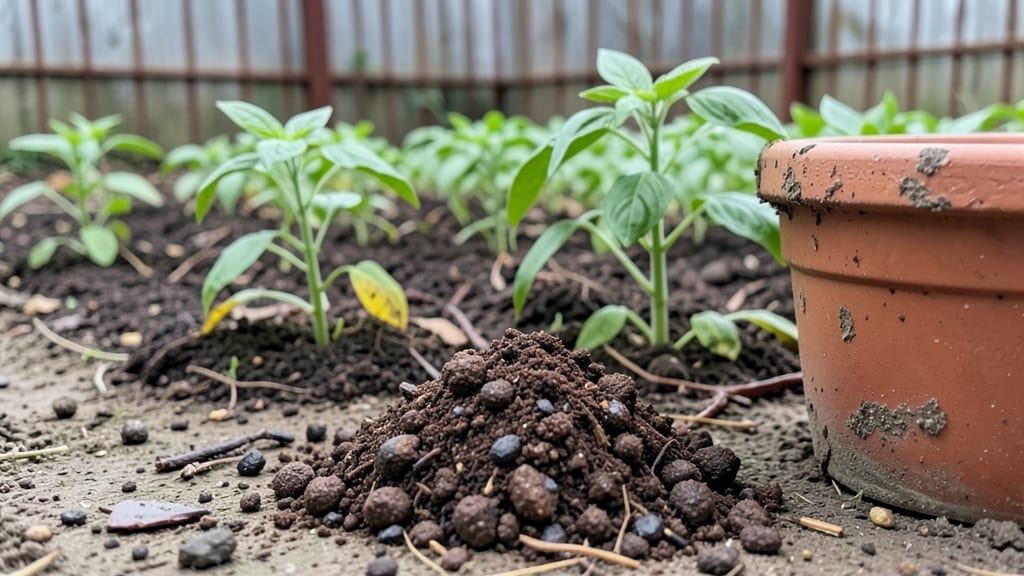
Using coffee grounds in gardening soil adds nitrogen-rich organic matter that improves soil fertility, but may lower soil pH over time, requiring balancing with lime or compost for acidic-sensitive plants like tomatoes or blueberries.
Coffee grounds act like a slow-release fertilizer, breaking down to release nitrogen over weeks, which is great for leafy greens and nitrogen-hungry plants like corn. 🌱 The downside is that their acidic nature can make soil too sour for vegetables that prefer neutral pH, like peppers or cucumbers.
I’ve found that mixing them into compost piles first lets the acidity mellow out before applying to garden beds.
Fresh grounds work faster but can over-acidify soil, while composted grounds provide steady nutrition without extreme pH swings. For acid-loving plants like blueberries or azaleas, coffee grounds are a dream—just avoid overdoing it in vegetable gardens where soil balance matters most.
💡 In This Article
- How Coffee Grounds Impact Soil Chemistry
- Best Practices for Mixing Coffee Grounds into Garden Beds
How coffee grounds impact soil chemistry
Here's what's actually happening when you add coffee grounds to soil: they decompose through microbial action, releasing nitrogen in the form of ammonium (NH₄⁺) and nitrate (NO₃⁻). Fresh grounds break down faster—releasing nitrogen within 2-4 weeks—while composted grounds take 3-6 months to fully integrate.
The nitrogen content averages 2% by weight, which is why they're so effective for leafy greens like lettuce or spinach that thrive on nitrogen-rich soil.
The acidic nature comes from chlorogenic acids and tannins in coffee, which lower soil pH by 0.5-1.5 points depending on application rate.
For context, that's similar to adding vinegar but more gradual. 🌱 What most people don't realize is that this acidity stimulates microbial activity—beneficial bacteria and fungi multiply faster in slightly acidic conditions (pH 6.0-6.5), breaking down organic matter more efficiently.
However, this same acidity can become problematic for plants like tomatoes that prefer neutral pH (6.5-7.0).
This works because coffee grounds contain both nitrogen and carbon, creating a perfect food source for soil microbes. The decomposition process generates heat (up to 140°F in compost piles), which speeds up nutrient cycling.
The trade-off is that over time, repeated applications can make soil too acidic—think of it like adding too much lemon juice to your garden. For example, blueberries love this acidity (ideal pH 4.5-5.5), while peppers will struggle below pH 6.0.
What makes this particularly interesting is the dual nature of coffee grounds: they're both a fertilizer and a soil conditioner. The coarse texture improves drainage in heavy clay soils, while the fine particles add organic matter that holds moisture.
This dual role is why gardeners often mix them with other amendments like wood ash (to neutralize acidity) or peat moss (to maintain moisture). The key factor is balance—too much coffee creates a nitrogen burn effect, while too little provides negligible benefits.
Consider these key factors when evaluating your soil's needs:
- Decomposition rate: Fresh grounds release nitrogen quickly (ideal for early spring), while aged grounds provide long-term nutrition
- pH impact: Each pound of fresh grounds can lower pH by 0.1-0.3 points in a 100 sq ft area
- Microbial boost: Coffee grounds increase microbial populations by 30-50% within 4 weeks
The science behind this involves a microbial food chain where fungi initially break down the complex organic compounds, followed by bacteria that convert them into plant-available nutrients. This sequential process explains why coffee grounds work better when composted first—they become a more balanced fertilizer with reduced acidity. 💫