
Vegetables
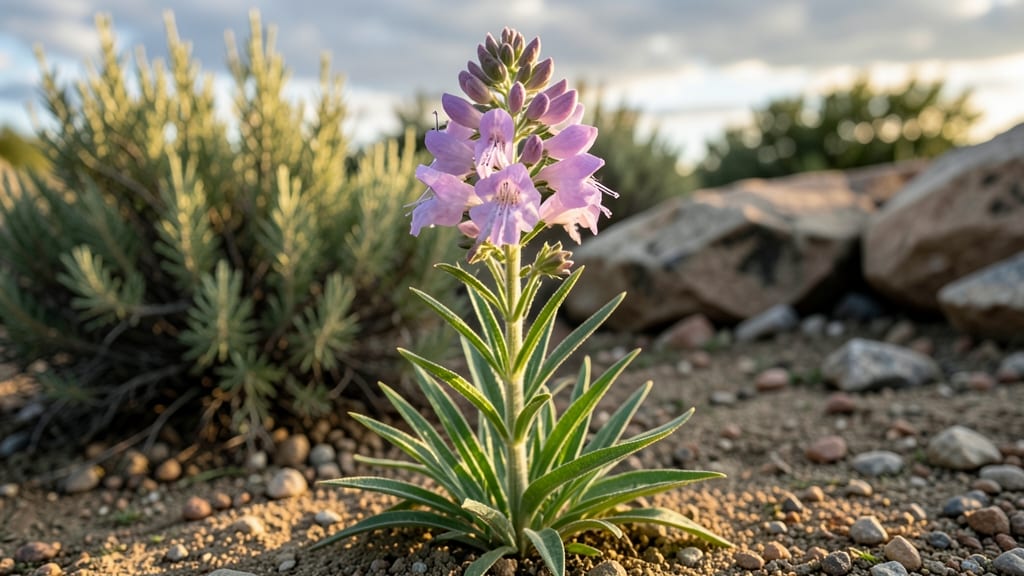
Colorado Springs' garden zone spans USDA Hardiness Zones 5b-7a, creating a unique balance of cold winters (rarely below 0°F/-18°C) and hot summers (90°F+/32°C+). This means you'll want frost-tolerant perennials like coneflowers alongside heat-loving annuals such as marigolds for year-round color.
Understanding your Colorado Springs garden zone is key because the high elevation (over 6,000 ft) creates microclimates where temperatures can swing dramatically between day and night—sometimes by 20°F+. 🌡️ For example, a south-facing slope might support zone 7 plants while a north-facing area stays closer to zone 5.
I always recommend testing your specific spot by monitoring frost dates, as they can vary by 2-3 weeks even within the same neighborhood.
Beyond zones, Colorado Springs' dry climate demands drought-resistant plants like Russian olive or blue grama grass, while wind exposure near open areas requires staking for taller perennials. The city's intense UV radiation also means choosing foliage with built-in sun protection—think silverleaf plants over deep greens.
For vegetables, focus on cool-season crops like kale in spring/fall, then switch to heat-tolerant peppers and okra when temperatures stabilize above 75°F.
💡 In This Article
- How Colorado Springs Microclimates Affect Plant Zones
- Top Cold-Hardy Plants for Colorado Springs Gardens
How Colorado Springs microclimates affect plant zones
The 6,000+ foot elevation of Colorado Springs creates a unique growing environment where microclimates can shift zones by 1-2 levels within just a few hundred feet.
Here's what's actually happening: thinner air at high altitudes means temperatures drop faster at night, creating 15-20°F swings between day and night—especially in open areas.
This phenomenon, called "radiation cooling," explains why your north-facing garden might experience zone 5 conditions while a south-facing slope stays in zone 6 or 7.
The intense UV radiation at this elevation (up to 30% stronger than sea level) forces plants to develop protective mechanisms.
Leaves often take on a silvery or grayish hue as a natural sunscreen, while stems grow thicker to conserve moisture. 🌡️ This is why native species like blue grama grass thrive here—they've evolved to handle both the high UV and rapid temperature shifts.
Even within the same zone, wind patterns create additional variations: areas near buildings or dense shrubs can be 3-5°F warmer than exposed garden beds.
What most people don't realize is how these microclimates affect planting timing. The last spring frost in Colorado Springs typically occurs around April 15-May 1, but this can vary by 2-3 weeks depending on elevation and aspect.
A south-facing slope might be safe for tender plants by April 20, while a north-facing area could still see frost until May 10. This is why gardeners here often plant in staggered succession, starting with cold-hardy crops in lower elevations and waiting for higher areas.
Wind exposure adds another layer of complexity. Colorado Springs' average wind speed of 10-12 mph creates wind chill effects that can make exposed gardens feel 2-3 zones colder than sheltered areas.
Taller perennials like Russian olive or ninebark need staking in open areas, while low-growing ground covers like creeping thyme protect soil moisture. The city's dry climate means even well-watered plants can experience transpirational stress—where leaves lose moisture faster than roots can replace it—during 90°F+ days.
Here's how to practically apply this knowledge: start by mapping your garden with these key factors:
- Aspect: South-facing gets 6+ hours sun (ideal for heat-lovers like rosemary), while north-facing stays cooler (perfect for shade-tolerant hostas)
- Slope: South slopes warm faster; north slopes stay cooler longer
- Wind exposure: Open areas need windbreaks or dwarf varieties
For example, my garden's west-facing slope (zone 6) handles peppers just fine, while the east-facing bed (zone 5) needs to wait until after May 15 for the same plants. The science behind this involves soil heat capacity—darker soils absorb more solar radiation, creating localized warmth pockets. This is why black plastic mulch can raise soil temps by 5-10°F in exposed areas, effectively creating a microclimate within your garden. 💫
The bottom line? Colorado Springs' microclimates mean you're not just working with zones 5b-7a—you're managing a patchwork of conditions that require careful observation. I recommend keeping a garden journal for at least two years to track your specific microclimates before making permanent planting decisions.
This local knowledge often proves more valuable than generic zone charts.