
Fertilization
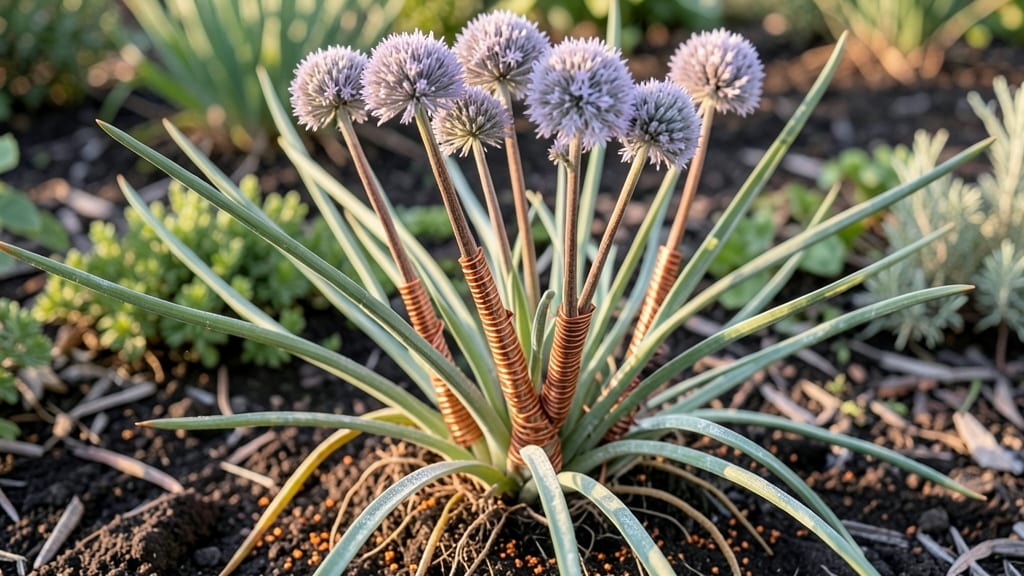
Adding copper to garden beds boosts soil health by activating beneficial microbes, suppressing fungal diseases like blight, and strengthening root systems. Use copper sulfate cautiously or choose organic options like composted plant material rich in copper minerals.
Copper plays a dual role in your garden—it acts as both a nutrient and a natural fungicide. 🌱 The mineral helps break down organic matter faster, creating a thriving ecosystem for earthworms and beneficial bacteria.
For instance, composted green waste often contains trace copper, which gradually releases into the soil over time. Many gardeners avoid synthetic copper sulfate due to its potential to harm soil microbes if overused, but organic sources like worm castings provide a safer, long-term solution.
When applying copper, focus on prevention rather than cure. A light application in early spring can set your plants up for success by reducing early-season blight risks.
Just remember: too much copper can be toxic, so always follow recommended rates—typically 5-10 pounds per acre for synthetic sources or 1-2 inches of compost for organic options.
💡 In This Article
- How Copper Enhances Soil Microbial Activity
- Best Organic Copper Sources for Garden Soil
How copper enhances soil microbial activity
Copper acts as a natural catalyst in soil ecosystems by activating key enzymes in beneficial microbes like Pseudomonas bacteria. These microbes produce siderophores—molecules that bind iron and make it accessible to plants—while copper helps regulate their metabolic processes.
At optimal levels (0.1-0.5 parts per million), copper stimulates these microbes to break down organic matter more efficiently, accelerating nutrient cycling. Think of it like a spark plug for your soil's microbial engine, ensuring energy flows smoothly between decomposers and plant roots.
The real magic happens in the nitrogen cycle. Copper enhances the activity of nitrifying bacteria (like Nitrosomonas) that convert ammonia into nitrates, which plants can absorb. Studies show soils with adequate copper levels fix 15-25% more nitrogen from the atmosphere compared to copper-deficient soils.
This isn't just about more nitrogen—it's about better synchronization between microbial populations. Copper also helps phosphorus-solubilizing bacteria like Bacillus megaterium unlock bound phosphorus in soil minerals, making this critical nutrient more plant-available.
But copper's benefits extend beyond nutrition—it's a microbial bodyguard. The mineral disrupts the cell membranes of pathogenic fungi (like Phytophthora that causes blight) while leaving beneficial microbes unharmed. This selective toxicity works because copper ions bind to sulfur-containing proteins in fungal cells, causing them to leak essential nutrients.
In contrast, beneficial microbes have protective mechanisms like copper-binding proteins that shield them from harm. The result? A soil environment where good microbes thrive while bad ones get suppressed.
Here's where source matters: synthetic copper sulfate provides an immediate but potentially harsh dose of copper, which can overwhelm soil microbes if overused. Organic sources like composted green waste or worm castings release copper gradually as microbes break down the material, creating a more balanced ecosystem.
For example, a 2-inch layer of compost might contribute 0.05-0.1 ppm copper over months, while a single application of copper sulfate could deliver 10 ppm or more in one go—enough to temporarily stun microbial activity.
Consider this comparison: synthetic copper works like a chemical herbicide—fast but potentially disruptive—while organic copper acts more like a natural fertilizer, supporting long-term microbial health. The key is maintaining that 0.1-0.5 ppm range where copper benefits microbes without causing toxicity.
Most garden soils already contain some copper, so always test before adding more—especially if you're working with clay soils, which naturally hold higher copper levels than sandy soils.
The sensory difference is striking too. Healthy copper-balanced soil has a rich, earthy aroma from active microbial respiration, while copper-deficient soil smells flat and stale. Visually, you'll see more earthworm activity and darker, crumbly soil structure in copper-optimized beds—a clear sign your microbial community is thriving. 🌿