
Landscaping
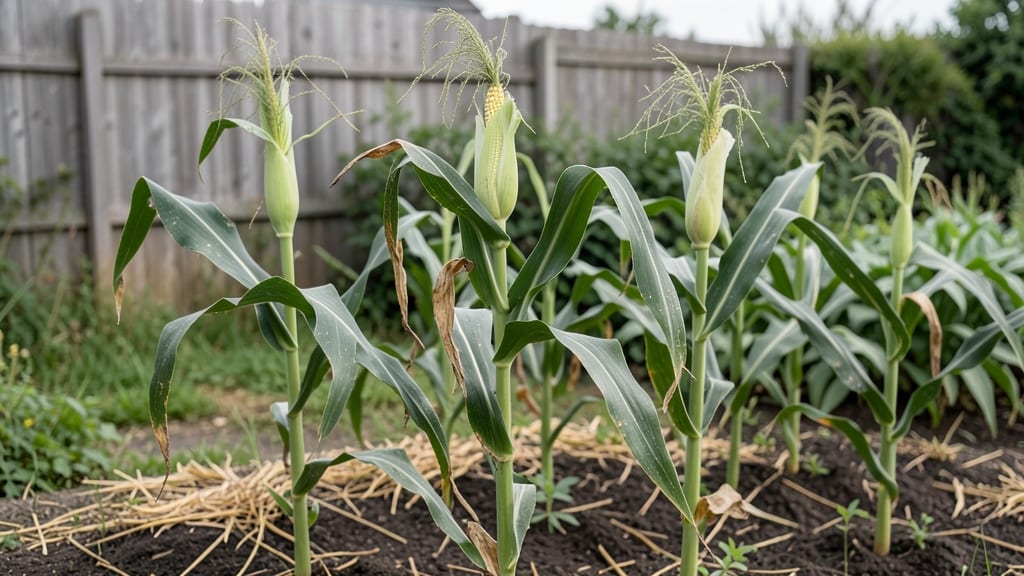
A corner fence garden transforms that awkward space into a lush, year-round privacy screen. 🌿 I designed mine after realizing how much better my backyard felt with a living barrier instead of an empty corner—now it’s the most productive and beautiful part of my yard.
The key is choosing plants that grow vertically and thrive in the conditions you have, whether that’s full sun or partial shade.
You’ll need a mix of fast-growing climbers like morning glories or clematis for quick privacy, paired with evergreens like boxwood or holly for structure. Add a sturdy trellis or obelisk to support vines, and consider raised beds along the fence for extra planting space.
The best part? This garden stays green through winter with the right plant choices, so you never lose that cozy, secluded feeling.
Imagine stepping into a secluded oasis where fragrant blooms and glossy leaves create a natural barrier that’s both functional and stunning. You’ll enjoy the peace of mind from privacy, the beauty of seasonal color changes, and the satisfaction of growing something that works as hard as you do.
Plus, it’s easier to maintain than you’d think—just a little pruning and watering keeps everything thriving.
Works for any yard size, from small urban patches to spacious backyards. Whether you’re dealing with a shady corner or full sun, the same principles apply—just swap out plants to match your conditions. Let’s turn that empty space into a garden you’ll love year after year.
📚 In This Guide
- What you need
- Instructions
- Tips and common mistakes
- Wrapping up and next steps
What you need
- ● Plants: Evergreen shrubs (e.g., Boxwood, Holly, or Arborvitae) – 3-5 plants (depending on fence length)
- ● Climbing plants (e.g., Clematis, Ivy, or Jasmine) – 1-2 vines (for vertical coverage)
- ● Perennials (e.g., Hostas, Ferns, or Heuchera) – 5-10 plants (for texture and color)
- ● Soil & Amendments: Topsoil or garden soil – 1-2 cubic yards (for planting beds)
- ● Compost or organic mulch – 1 bag (2-3 cubic feet) (for nutrient boost)
- ● Hardware & Supplies: Garden stakes or trellis (for climbing plants) – 2-4 units
- ○ Landscape fabric (optional, for weed control) – 1 roll (10 ft. x 50 ft.)
- ● Garden twine or wire (for securing plants) – 1 spool
- ● Decorative rocks or mulch (for a polished look) – 1-2 bags
- ● Drip irrigation system (for low-maintenance watering) – 1 kit
- ● Solar-powered lights (for ambiance) – 2-4 units
- ● Fertilizer (slow-release or organic) – 1 bag
Step-by-Step instructions for creating a year-round corner fence garden
Here’s how to transform a tricky corner into a lush, evergreen privacy screen that stays vibrant through every season.
🌱 Step 1: Plan Your Planting Layout for Maximum Coverage
Start by measuring the fence length and height—aim for plants that mature to at least 6 feet tall for full coverage. I like to mix evergreen shrubs (like boxwood or holly) with seasonal climbers (such as ivy or clematis) to ensure year-round interest. Sketch a rough design: place taller plants at the back and shorter ones in front to create depth.
For a 4-foot fence, space plants 3-4 feet apart to allow room for growth. If your corner is tight, opt for compact varieties like dwarf boxwood or compact arborvitae. Mark planting spots with stakes to avoid overcrowding—this ensures air circulates and prevents disease.
🪴 Step 2: Prepare the Soil and Plant Your Foundation Layer
Dig a hole twice as wide as the root ball but only as deep as the container’s base—planting too deep suffocates roots. Loosen the soil around the edges to encourage root spread. Amend the soil with 2-3 inches of compost (if your soil is poor) to boost nutrient retention, especially for evergreens that thrive in fertile ground.
Place the first plant in the hole, backfill with soil, and tamp gently to remove air pockets. Water deeply to settle the roots—1 gallon per plant should soak the soil to a depth of 6 inches. Mulch around the base with 2 inches of shredded bark, keeping it 3 inches away from the trunk to prevent rot.
☀️ Step 3: Layer in Climbing Plants for Vertical Growth
For vines like ivy or clematis, install trellises or wire mesh along the fence before planting. These plants need support to climb, and attaching them early saves future pruning headaches. Plant climbers 6-12 inches from the fence so they can sprawl without smothering lower plants.
Water climbers 2-3 times weekly for the first month to help roots establish—you’ll know they’re thriving when new leaves emerge within 4-6 weeks. Prune leggy growth in early spring to encourage bushier, denser foliage. This layer fills gaps between shrubs and adds texture.
✂️ Step 4: Maintain Year-Round with Seasonal Care
In spring, fertilize evergreens with a slow-release granular fertilizer (follow package rates) to support new growth. Trim back any dead or overgrown branches—this keeps the screen neat and prevents pests from hiding in dense foliage. Water deeply once a week if rainfall is light, ensuring the soil stays 1-2 inches moist at all times.
In fall, add a 3-inch layer of mulch to insulate roots from winter cold. Evergreens like boxwood benefit from a light winter watering if the ground freezes—1 gallon per plant every 2-3 weeks prevents dehydration. Prune lightly in late winter to shape the screen before spring growth begins.
💧 Step 5: Troubleshoot Common Issues
If leaves yellow or drop, it’s often overwatering—evergreens hate soggy roots. Let the top 1-2 inches of soil dry between waterings. Brown tips? That’s usually underwatering or low humidity—group plants closely to create a microclimate that retains moisture.
Watch for aphids or spider mites on new growth—spray affected areas with neem oil (diluted per instructions) to deter pests without harming the plants. A healthy screen should look dense and uniform within 2-3 years—if gaps appear, fill them with new shrubs in early spring.
Tips & tricks for perfect corner fence garden
Creating a corner fence garden that thrives year-round takes a few strategic moves—here's how to ensure your privacy screen stays lush and healthy through every season.
Plant Selection Matters: When choosing your evergreen shrubs like boxwood or holly, look for plants that are already well-established in their containers. These will have stronger root systems to handle the initial shock of transplanting. For climbers like ivy or clematis, select varieties that are known for their hardiness in your specific climate zone—this ensures they'll handle seasonal temperature swings without stress.
The Right Spacing is Everything: In Step 1, when you're spacing your plants 3-4 feet apart for a 4-foot fence, remember this is a minimum guideline. If your corner gets intense afternoon sun, you might want to increase spacing to 4-5 feet to prevent competition for water and nutrients. This extra room gives roots more space to spread and establish, which means a stronger, more resilient screen over time.
Soil Prep Can't Be Overlooked: The 2-3 inches of compost you're adding in Step 2 is crucial, but don't stop there. If your soil is particularly sandy or clay-heavy, consider adding a handful of perlite or vermiculite to improve drainage. Evergreens hate soggy roots, and this extra step prevents waterlogging that can lead to root rot. For compact varieties like dwarf boxwood, you might even want to add a bit more compost—these smaller plants need all the nutrients they can get to establish quickly.
Watering Wisdom: That first month when you're watering climbers 2-3 times weekly, don't just set a timer and forget about it. Water deeply each time, aiming for that 6-inch soil depth we mentioned. A good way to check is to stick your finger in the soil—if the top 1-2 inches are dry, it's time to water again. This deep watering encourages roots to grow downward rather than staying shallow, which makes your plants much more drought-tolerant once they're established.
Pro Tips for Corner Fence Garden
- Creating a corner fence garden that thrives year-round takes a few strategic moves—here's how to ensure your privacy screen stays lush and healthy through every season.
- Plant Selection Matters: When choosing your evergreen shrubs like boxwood or holly, look for plants that are already well-established in their containers.
- The Right Spacing is Everything: In Step 1, when you're spacing your plants 3-4 feet apart for a 4-foot fence, remember this is a minimum guideline.
Frequently asked questions
Got questions about creating a corner fence garden?
You’re not alone! Here are some of the most common concerns—and their solutions—to help you build a lush, private retreat with confidence.
What’s the best time of year to plant a corner fence garden?
The ideal planting window depends on your climate, but spring (after the last frost) or early fall (4-6 weeks before frost) are the sweet spots. These seasons give plants time to establish roots before extreme heat or cold. For evergreens like boxwoods or arborvitae, fall planting is often best—they’ll thrive with winter moisture and burst into growth in spring!
How much does a corner fence garden cost?
Costs vary widely based on materials and size, but here’s a rough breakdown:
- Low-cost: $100–$500 for shrubs (e.g., bamboo, privet) or vines (e.g., clematis) with DIY installation.
- Mid-range: $500–$1,500 for mixed hedges (e.g., laurel, holly) or pre-built lattice panels.
- Premium: $1,500+ for fast-growing evergreens (e.g., Leyland cypress) or professional landscaping.
Pro tip: Start small—a 4-foot-tall hedge costs far less than a 10-foot-tall one but still blocks views effectively!
Will a corner fence garden block noise and wind?
Yes—but effectiveness depends on density, height, and plant type. For noise reduction, dense evergreens (like arborvitae) or thick vines (e.g., ivy) work best. Windbreaks? Tall, flexible plants (e.g., willow, bamboo) or layered hedges slow gusts naturally. Aim for at least 6–8 feet tall for noticeable results.
What if my corner fence garden looks sparse after planting?
Don’t panic! New plants need time to fill in. Water deeply 2–3 times a week for the first year, and fertilize lightly in spring. If gaps persist, interplant with fast growers like bamboo or Russian olive (but check local invasiveness rules!). Prune selectively to encourage bushiness, and add mulch to retain moisture. Patience pays off—your green wall will thicken in 1–2 seasons!
Can I use a corner fence garden for edibles, like herbs or veggies?
Vertical gardens or trellised plants (e.g., cucumbers, beans, or climbing roses) thrive in corners. For herbs, try creeping thyme or mint in containers along the fence line. Just ensure your plants get 6+ hours of sunlight and choose non-invasive varieties. Bonus: Edible screens add fragrance and function!
Wrapping up and next steps
A corner fence garden isn’t just about privacy—it’s a lush, year-round investment in beauty and functionality. Whether you’re using fast-growing plants, evergreens, or a mix of both, this space can transform your outdoor area into a serene retreat.
With the right materials and a little creativity, you’ll enjoy a thriving garden that stands the test of seasons.
Ready to get started? Sketch your design, gather your supplies, and plant with confidence! Your perfect corner oasis is just a few steps away—happy gardening! 🌱✨