
Container Gardens
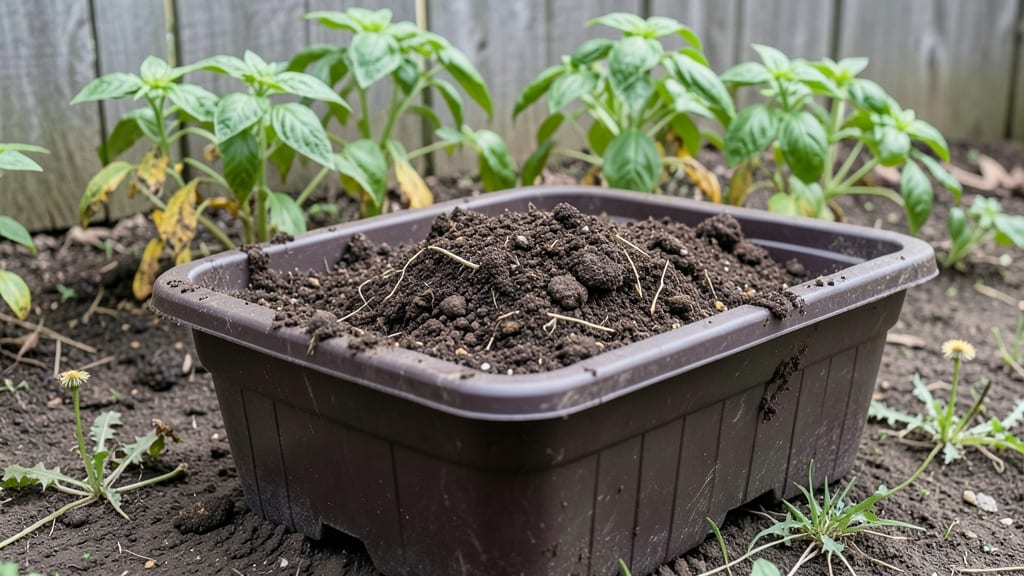
The Costco raised garden planter is a versatile elevated growing solution measuring 48 inches long, 24 inches wide, and 12 inches deep, offering about 12 cubic feet of planting space for vegetables, herbs, or flowers.
The planter's dimensions make it perfect for small yards or patios, while its elevated design reduces strain on your back and improves drainage. 🌱 I've found this size works well for growing a mix of leafy greens, tomatoes, and herbs simultaneously—just be sure to use quality potting mix and consider adding a drip irrigation system for consistent moisture.
The cedar construction resists rot, making it durable for multiple growing seasons.
For best results, I recommend planting shallow-rooted crops like lettuce and strawberries near the edges, where roots can spread outward, while deeper-rooted plants like carrots or radishes thrive in the center. Adding a layer of mulch helps retain moisture and suppress weeds, which is especially helpful in hot climates. 💛
💡 In This Article
- Costco Raised Planter Dimensions and Material Breakdown
- Maximizing Yield in a Costco Raised Garden Planter
Costco raised planter dimensions and material breakdown
The Costco raised planter stands out with its 48-inch length, providing ample growing space while remaining compact enough for patios or small yards. Its 24-inch width offers enough room for multiple plants side-by-side, while the 12-inch depth accommodates both shallow-rooted herbs and deeper vegetables like carrots.
This dimension ratio (2:1 length-to-width) creates an efficient planting surface that maximizes yield without overwhelming limited spaces. 🌿
The material composition varies by model, but most feature cedar or redwood framing, prized for natural rot resistance and durability. Cedar, in particular, contains aromatic oils that deter pests, adding an extra layer of protection for your plants.
The bottom panels are typically HDPE plastic, a lightweight yet sturdy material that prevents soil erosion while improving drainage—critical for preventing root rot in heavy rainfall. Unlike traditional wooden raised beds, this hybrid construction balances organic aesthetics with modern functionality.
What sets this planter apart is its weight capacity of 500-700 pounds when filled with soil and plants, thanks to reinforced corner brackets and interlocking panels. This structural integrity allows it to handle seasonal weight fluctuations without sagging, a common issue with cheaper plastic or thin-wood alternatives.
The 12-inch depth also provides 10-12 inches of usable soil, meeting the needs of most vegetables while leaving room for compost or mulch layers. 💪
Compared to standard raised beds (which often measure 4x8 feet with 6-12 inches of soil depth), this planter offers a more portable and space-efficient solution.
Its 12 cubic feet capacity is roughly equivalent to a 4x3-foot bed, but with the added benefits of elevated growing—reduced weed competition, better drainage, and easier access for gardeners with mobility limitations. The cedar's natural resistance to moisture also means it requires less maintenance than untreated wood over time.
For gardeners concerned about longevity, the planter's design minimizes ground contact, reducing exposure to soil-borne pathogens. The HDPE base prevents rot at the bottom edges, while the cedar's tight grain structure resists cracking from temperature fluctuations.
This combination makes it ideal for climates with freezing winters or humid summers, where material degradation is a common issue. 🌞
One practical advantage is the planter's modular assembly, allowing you to connect multiple units for larger growing areas. Each panel's interlocking design creates a seamless growing surface while maintaining individual stability.
This flexibility lets you customize the layout based on your space—whether you need a single 48-inch planter or a 96-inch continuous bed. The cedar's natural resistance to insects also eliminates the need for chemical treatments, making it a safer choice for edible gardens. 🌱