Vegetables
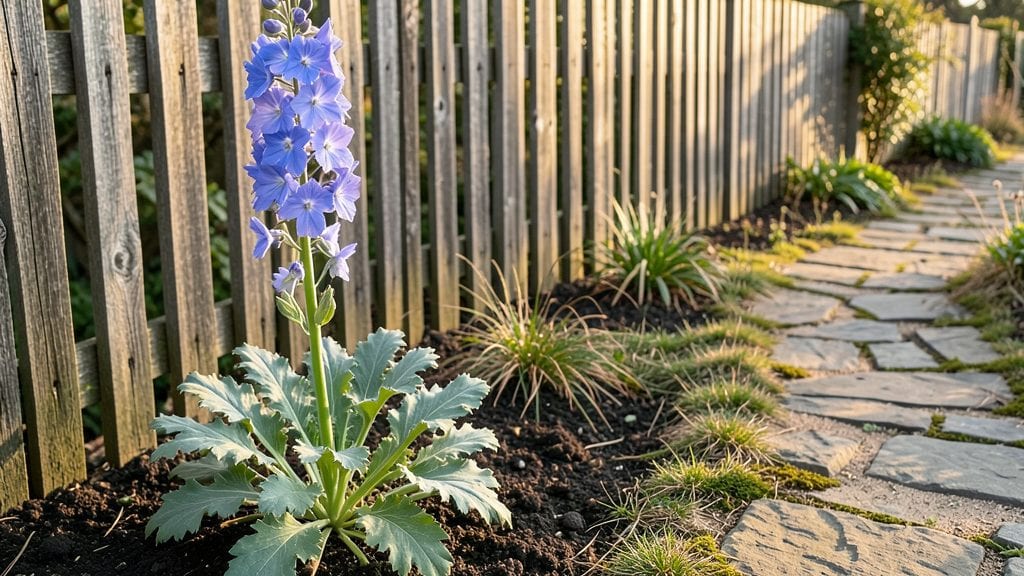
These cottage gardens images always transport me back to that first enchanted moment—where roses climbed an arbor, lavender swayed like a whisper, and every petal told a story. 🌸 scent of thyme and roses tangled together in the warm afternoon air.
That's the magic you can bring to your own space, even in a small yard or a tucked-away corner.
The real secret lies in the layers: tall grasses for drama, low-growing herbs for texture, and climbing roses or clematis to soften fences or trellises. You don't need a sprawling estate—just a mix of perennials, annuals, and a few well-placed shrubs to create that effortless, romantic look.
Think of it as storytelling through plants, where every bloom and leaf has a role in the narrative.
What you end up with is a garden that feels alive, private, and uniquely yours—one that changes with the seasons but always feels like home.
The scent of roses in June, the golden hues of autumn leaves, and the quiet rustle of lavender in summer breezes become part of your daily rhythm. It's not about perfection; it's about the joy of discovery in every corner.
Whether you're working with a sunny border, a shady nook, or a mix of both, cottage garden principles adapt beautifully. The key is to start small—maybe a single trellis with climbing roses or a patch of lavender—and let the plants guide you from there.
The charm isn't in the plan; it's in the growing.
📚 In This Guide
- What you need
- Instructions
- Tips and common mistakes
- Wrapping up and next steps
What you need
- ● Soil & Compost: 5–10 bags (2–4 cubic feet each) of high-quality garden soil (e.g., Miracle-Gro Garden Soil) + 3–5 bags of compost (for enriching soil).
- ● Mulch: 10–15 cubic feet of organic mulch (straw, wood chips, or shredded bark) to retain moisture and suppress weeds.
- ● Seeds & Plants: Vegetables: 10–20 seed packets (e.g., tomatoes, peas, lettuce, herbs) or 12–15 starter plants.
- ● Flowers: 20–30 plants (e.g., roses, lavender, pansies, sweet peas) for layers and color.
- ● Climbers: 3–5 vines (e.g., clematis, morning glories, or cucumbers) for vertical interest.
- ● Trellises & Supports: 2–4 wooden or metal trellises (4–6 ft tall) + 5–10 stakes (for tomatoes/peas).
- ● Fencing/Privacy: 10–20 ft of lattice panels, bamboo screens, or decorative fencing (for that classic cottage feel!).
- ● Hand Tools: 1 trowel (for planting small seeds).
- ● 1 pruning shears (for shaping plants).
- ● 1 pair of gardening gloves (waterproof, medium size).
- ● Larger Tools: 1 spade (for digging).
- ● 1 rake (for leveling soil).
- ● 1 wheelbarrow (for hauling materials).
- ○ Optional (But Helpful!): Hose with adjustable nozzle (for watering).
- ● Kneeling pad (for comfort).
- ● String & clips (for training climbers).
- ● Location: A sunny or partially shaded spot (6+ hours of sunlight for veggies; dappled shade for flowers).
- ● Space: Minimum 4’x4’ area (expandable for larger gardens!).
- ● Water Access: Nearby hose or watering can (cottage gardens love consistent moisture!).
- ○ Design Plan (Optional but Fun!): Sketch your layout—think layers (tall, medium, short plants) and privacy (e.g., climbers + fencing).
How to design a cottage garden with whimsical layers
Here’s how to layer plants for that classic, romantic look—private, fragrant, and full of life.
🌿 Step 1: Plan Your Backdrop for Privacy and Height
Start with a tall, dense anchor like evergreen shrubs (such as boxwood or holly) or ornamental grasses along fences or property lines. These create a living screen that softens sightlines and adds structure. I like to place them 12-18 inches apart—close enough to fill gaps as they grow but not so crowded they compete for sunlight.
For extra privacy, mix in climbing roses or clematis on trellises or arbors. These vines will weave through the taller shrubs, creating a lush, romantic curtain. The key is varied heights: start with 6-foot shrubs, then add 4-foot perennials, and fill the front with 18-inch annuals. This creates depth and hides the ground beneath.
🌱 Step 2: Layer Perennials for Season-Long Color
Use mid-height perennials like peony, lavender, or catmint as your middle layer—these bloom in early to mid-summer and return year after year. Plant them 18-24 inches apart so they fill in without overcrowding. I always group 3-5 of the same plant together for a natural, abundant look (no single stems sticking out like sore thumbs).
Add late-blooming perennials like black-eyed Susan or Russian sage to extend the season. These will pick up where early bloomers leave off, ensuring your garden never looks bare. For texture, throw in ferns or hostas—their lush foliage softens the structure and adds that classic cottage feel.
☀️ Step 3: Fill the Front With Annuals and Bulbs
Brighten the edges with annuals like sweet alyssum, pansies, or lobelia—these spill over borders and add pops of color. Plant them 6-12 inches apart in clusters of 5-7 for a full, natural look. I like to mix blue, purple, and white tones for a soft, dreamy palette, but don’t shy away from bold reds or yellows if they match your vibe.
Tuck spring-blooming bulbs like daffodils or tulips into the front layer—they’ll pop up early, then fade into the greenery as summer arrives. For extra charm, let a few wildflowers or self-seeding plants (like poppies or cosmos) naturalize in the borders. They’ll return year after year with minimal effort.
✂️ Step 4: Add Whimsical Touches for Character
Scatter ornamental grasses (like fountain grass or maiden grass) for movement and texture—they sway in the breeze and add height without overwhelming. I also weave in unexpected elements like old garden tools, vintage teacups, or a trellis with climbing roses to break up the greenery and add personality.
For fragrance, include scented plants like roses, jasmine, or lavender near seating areas or pathways. The goal is to engage all the senses—rustling leaves, sweet smells, and vibrant colors that invite you to linger. Even a simple stone path winding through the garden adds structure and charm.
🪴 Step 5: Maintain with Seasonal Pruning and Deadheading
Keep your cottage garden thriving by pruning leggy stems in early spring and deadheading spent blooms regularly. This encourages more flowers and prevents the garden from looking tired. I also mulch annually with 2-3 inches of shredded bark to retain moisture and suppress weeds—less work for you, more beauty for the garden.
Every fall, cut back perennials that have died back but leave grasses and seed heads for winter interest. They add texture and feed birds, keeping your garden lively even in colder months. With a little seasonal care, your cottage garden will keep giving back year after year.
Tips & tricks for whimsical cottage garden layers
Creating a cottage garden that feels magical takes more than just planting flowers—it's about layering with intention. Here are my go-to tricks for achieving that dreamy, romantic look that hides imperfections while maximizing charm.
Spacing is Everything: In Step 1, when planting your 6-foot shrubs 12-18 inches apart, resist the urge to squeeze them closer. That 6-inch gap might seem small now, but it gives your plants room to breathe as they mature. I've learned the hard way that crowded shrubs compete for sunlight and can become leggy or sparse. Think of it like a good conversation—every plant deserves its own space to shine.
Color Theory for Depth: The key to making your garden feel lush in Step 2 is using blue, purple, and white tones together. These colors recede visually, creating the illusion of depth while making your garden feel airy. I always group 3-5 of the same plant together—this creates natural clusters that look intentional rather than random. For example, place three lavender bushes side by side, then add a single peony nearby to break up the repetition.
Unexpected Texture Secrets: In Step 4, don't overlook the power of ornamental grasses and seed heads for winter interest. These add movement and structure that flowers alone can't provide. I like to plant fountain grass near pathways where its plumes will sway in the breeze, creating a sensory experience. Even dried seed heads from last year's blooms add rustic charm—leave them standing until spring if you want that authentic cottage garden look.
Fragrance Layering: The magic of cottage gardens isn't just visual—it's about engaging all senses. Place your most fragrant plants like roses and jasmine near seating areas or pathways where you'll brush against them. I've found that positioning these plants at about 4-foot height (from Step 2) ensures their scent reaches you naturally as you walk through the garden. A little fragrance goes a long way in creating that timeless, inviting atmosphere.
Pro Tips for Cottage Gardens Images
- Creating a cottage garden that feels magical takes more than just planting flowers—it's about layering with intention.
- Spacing is Everything: In Step 1, when planting your 6-foot shrubs 12-18 inches apart, resist the urge to squeeze them closer.
- Color Theory for Depth: The key to making your garden feel lush in Step 2 is using blue, purple, and white tones together.
Frequently asked questions
Got questions about creating your own cottage garden oasis? Here are some of the most common ones—plus quick answers to help you get started!
What’s the best time of year to plant a cottage garden?
A cottage garden thrives with layered planting, so start in early spring (March–April) for perennials, biennials, and cool-season veggies. Add heat-loving annuals (like nasturtiums or sunflowers) in late spring to early summer. Fall is perfect for bulbs (daffodils, tulips) and hardy greens like kale. Pro tip: Succession planting keeps blooms and harvests going year-round!
Are cottage gardens expensive to maintain?
Not necessarily! While some plants (like peonies or roses) have upfront costs, cottage gardens are budget-friendly long-term. Opt for heirloom seeds, divide perennials, or swap cuttings with neighbors. Mulch (straw, leaves) suppresses weeds, and compost reduces fertilizer needs. Focus on free/cheap plants: clover, lavender, and self-seeding flowers (like poppies) add charm without breaking the bank.
How do I keep pests away naturally in a cottage garden?
Cottage gardens deter pests with diversity! Plant companion pairs like:
- Basil + tomatoes (repels flies)
- Marigolds + veggies (deters nematodes)
- Garlic/chives near roses (keeps aphids away)
Can I create a cottage garden in a small space, like a balcony or patio?
Container gardening
is perfect for tiny spaces. Use:
- Window boxes for herbs, pansies, or lettuce
- Hanging baskets for trailing flowers (nasturtiums, sweet peas)
- Tiered planters to maximize vertical growth (e.g., tomatoes + marigolds)
How do I mix veggies and flowers without sacrificing harvests?
Cottage gardens blend edibles and ornamentals beautifully—just plan strategically! Avoid aggressive spreaders (like mint) near veggies. Instead, pair:
- Nasturtiums (edible, pest-repellent) under cucumbers
- Calendula (companion plant) near broccoli
- Borage (bee magnet) alongside strawberries
Wrapping up and next steps
Cottage gardens are more than just a visual treat—they’re a celebration of nature’s charm, creativity, and the joy of growing your own edible treasures. 🌿 From layered plants to cozy seating nooks, these spaces blend beauty and functionality, offering privacy and a bountiful harvest.
Whether you’re dreaming of a full-scale retreat or a small urban plot, the key is to start small, stay inspired, and let your garden evolve naturally.
Ready to bring this whimsical magic to life? Sketch your layout, gather a few plants, and take the first step today—your future garden (and future meals!) will thank you. 🌱✨