
Tools
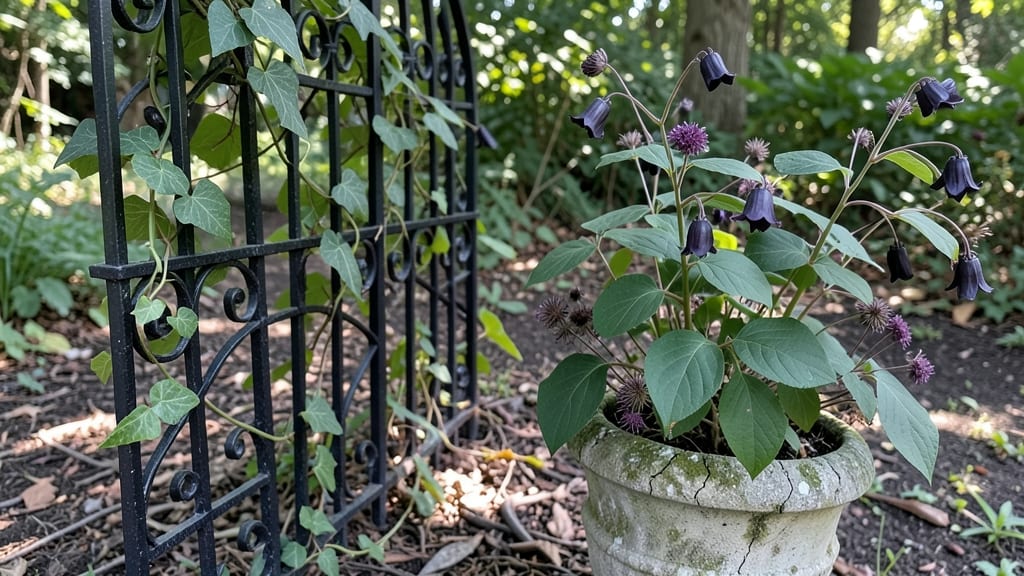
A dark gothic garden transforms your outdoor space into a hauntingly beautiful sanctuary where drama meets nature. 🌿 I fell for this style after stumbling upon a crumbling English manor’s overgrown garden—velvet-black foliage, thorned roses, and deep purple blooms that seemed to absorb the light rather than reflect it.
The key isn’t just picking the right plants; it’s curating an atmosphere where every path feels like a story waiting to unfold.
Start with black mondo grass for lush ground cover, pair it with purple coneflowers and dark red salvias for striking contrast, and add thorny roses like ‘Bourbon’ or ‘Souvenir de la Malmaison’ for that gothic edge.
Gravel paths, iron statues, and flickering lanterns amplify the mood—think candlelit evenings where the garden feels alive with secrets. The best part? These plants thrive in partial shade, making maintenance surprisingly simple once you’ve set the scene.
By summer’s end, your garden will hum with an eerie elegance—deep jewel tones in the foliage, velvety petals that catch the last light of dusk, and the occasional rustle of leaves that feels intentional.
The thorny roses will climb aged trellises, while the dark foliage creates pockets of shadow where you’ll want to linger. This isn’t just a garden; it’s a retreat for those who love mystery wrapped in beauty.
Works in any climate with the right plant swaps—just adjust for your zone’s hardiness. Whether you’re starting small with a corner or going full manor estate, the mood is what matters. Let’s bring the drama to life.
📚 In This Guide
- What you need
- Instructions
- Tips and common mistakes
- Wrapping up and next steps
What you need
- ● Structural Elements: Wrought iron or black metal fencing (6–8 ft tall, 50–100 ft length, depending on garden size)
- ● Black or dark gray gravel (2–3 cubic yards for pathways)
- ● Stone or slate slabs (for seating or borders, 10–20 pieces)
- ● Gothic-style arches or trellises (2–4 units, depending on layout)
- ● Plants & Flora: Evergreens: Black lace elderberry, purple smoke bush, or dark oak trees (3–5 plants)
- ● Ornamental Grasses: Black mondograss or fountain grass (5–10 bunches)
- ● Flowers: Deep red roses, black calla lilies, or purple statice (10–15 plants)
- ● Foliage: Dark-leaved heuchera, purple hostas, or black mondo grass (10–15 plants)
- ● Decorative Accents: Black or aged bronze statues (1–3, e.g., angels, gargoyles, or urns)
- ● Wrought iron benches or chairs (2–4)
- ● Antique lanterns or candelabras (5–10)
- ● Black or weathered stone planters (5–10)
- ● Shovel and garden fork (for digging and soil prep)
- ● Wheelbarrow (for transporting materials)
- ● Pruning shears and hedge clippers (for shaping plants)
- ● Level and measuring tape (for precise layouts)
- ● Concrete mix (for securing structures, 1–2 bags)
- ● Landscape fabric (to suppress weeds, 1–2 rolls)
- ● Mulch (dark bark or black dye mulch, 1–2 cubic yards)
- ● Moss or lichen (for a decayed, ancient look—apply to stones or statues)
- ● Fog machine or misting system (for an eerie, misty atmosphere)
- ● Solar-powered string lights or LED candles (for nighttime drama)
- ● Vintage-style birdbaths or fountains (for a touch of gothic romance)
- ● Black or dark gray paint (for aging metal structures)
Step-by-Step instructions for designing a dark gothic garden
Let's transform your space into a hauntingly beautiful retreat with these key steps.
🪴 Step 1: Choose Your Dark Foundation Plants
Start with evergreen shrubs like black mondo grass and purple smokebush—these provide year-round structure and deep, moody hues. I always anchor my design with dwarf conifers like Black Prince yew or Emerald Green arborvitae for dramatic vertical lines. These plants thrive in partial shade and maintain their dark foliage through all seasons.
Next, add ornamental grasses such as blood grass or Japanese silver grass for movement and texture. Their dark stems and seed heads create a natural, slightly wild elegance. Place these near pathways or as standalone focal points where their silhouettes can be appreciated at dusk.
☀️ Step 2: Layer in Moody Foliage and Flowers
Incorporate deep purple and black flowers like black calla lilies, purple coneflowers, and dark red salvias to add seasonal interest. These thrive in partial to full shade and complement the evergreens beautifully. I like to plant heuchera (coral bells) in velvety burgundy or black varieties—their leaves add rich color even when not in bloom.
For a touch of drama, include crimson and deep pink roses like 'Black Baccara' or 'Velvet Fog.' Their velvety petals contrast strikingly with the darker greens and purples. Space them 18-24 inches apart to allow for air circulation and prevent disease, which is critical in shaded, humid conditions.
✂️ Step 3: Add Structural Elements for Atmosphere
Introduce ironwork trellises, wrought-iron benches, and stone arches to enhance the gothic aesthetic. I prefer blackened metal or weathered stone for a timeless, slightly eerie look. Place these elements where they frame views of the garden or create intimate seating areas—perfect for evening strolls.
Incorporate water features, even small ones like a black stone fountain or a narrow reflecting pool. The sound of water adds a serene, mystical quality, while the dark stone complements the garden's color palette. Position it near a seating area so the sound can be enjoyed while relaxing.
💧 Step 4: Mulch and Maintain the Moody Vibe
Use dark brown or black mulch, like cedar chips or dyed pine bark, to unify the garden's color scheme. Spread it 3-4 inches deep around plants, keeping it 6 inches away from tree trunks to prevent rot. This not only suppresses weeds but also enhances the garden's dramatic appearance.
Prune regularly to maintain the garden's structured yet wild look. I trim overgrown grasses in late winter to reveal their striking seed heads, and I shape shrubs lightly in early spring to encourage dense growth. Avoid harsh cuts—gothic gardens thrive on a slightly untamed elegance.
🌿 Step 5: Lighting for Evening Enchantment
Install black metal or bronze outdoor lighting with warm, dim bulbs to highlight key features after dark. I use pathway lights along garden edges and uplighting for trees or shrubs to create a magical glow. Avoid bright white lights—they clash with the garden's moody tones and can feel harsh in the evening.
Add solar-powered lanterns or candles in black metal holders for a softer, more intimate light. Place them near seating areas or along pathways to guide visitors through the garden after sunset. The flickering light adds a touch of mystery and warmth, making the space feel alive even at night.
Tips & tricks for creating a dark gothic garden
Designing a gothic garden takes careful planning to achieve that perfect balance of drama and elegance. Here are my go-to tips to help you create a space that feels both haunting and harmonious.
Plant Placement Matters: When arranging your evergreen shrubs like Black Prince yew or purple smokebush in Step 1, place taller varieties toward the back of your garden beds. This creates depth and allows each plant to be seen at its best. The ornamental grasses should be positioned where their silhouettes can be admired against the evening sky—near pathways or as standalone focal points. I like to group blood grass with the black mondo grass for a striking contrast that feels intentional.
Seasonal Layering Strategy: In Step 2, when adding your deep purple and black flowers, think about seasonal transitions. Plant black calla lilies and purple coneflowers where they'll provide summer color, then add heuchera varieties for year-round foliage interest. For the crimson roses like 'Black Baccara', consider their mature size—those 18-24 inch spacing guidelines are crucial for proper air circulation, especially in humid conditions. I always add a few dark red salvias near the roses to extend the blooming season.
Structural Element Secrets: For Step 3, don't overlook the power of ironwork trellises to create vertical interest. I often place them behind blackened metal benches to draw the eye upward while providing functional seating. When incorporating water features, position the black stone fountain where it can be heard from your seating areas—this adds a magical quality that's perfect for evening gatherings. The key is to create a sense of discovery as visitors move through the space.
Lighting Design Tips: In Step 5, when installing your black metal lighting, focus on highlighting the architectural elements you've created. Use uplighting for your dwarf conifers to make them glow like dark sentinels at night. For pathways, I recommend placing pathway lights every 3-4 feet to create a safe, atmospheric walkway. The warm, dim bulbs should be just bright enough to see by but not so bright they wash out the garden's moody tones.
Pro Tips for Dark Gothic Garden
- Designing a gothic garden takes careful planning to achieve that perfect balance of drama and elegance.
- Plant Placement Matters: When arranging your evergreen shrubs like Black Prince yew or purple smokebush in Step 1, place taller varieties toward the back of your garden beds.
- Seasonal Layering Strategy: In Step 2, when adding your deep purple and black flowers, think about seasonal transitions.
Frequently asked questions
What are the best plants for a dark gothic garden?
A dark gothic garden thrives on deep greens, velvety purples, and dramatic blacks. Opt for Heuchera (coral bells), Hellebores (Lenten roses), Ferns (like the Osmunda cinnamomea), and Black Mondo Grass. For structure, consider Arborvitae or Thuja—their dense, evergreen foliage adds gothic grandeur. Pro tip: Add Dahlias or Black Baccara Roses for pops of dark color in bloom seasons!
How long does it take to establish a dark gothic garden?
Establishing a fully mature dark gothic garden can take 2-5 years, depending on plant growth rates and your climate. Perennials like Hellebores and Ferns grow slowly but reward you with year-round structure. Annuals (like Black Callas) provide instant drama but require replanting. Plan for 1-2 years of foundational planting before seeing full impact. Patience is key—gothic gardens are all about timeless elegance!
Is a dark gothic garden more expensive than a traditional garden?
Costs vary, but dark gothic gardens can be budget-friendly if you focus on native or low-maintenance plants. Heuchera and Ferns are affordable, while Arborvitae or Boxwoods may require a larger upfront investment. Save money by propagating plants from cuttings or shopping sales at local nurseries. DIY elements like wrought-iron trellises or black-painted stones also keep costs down while enhancing the gothic vibe.
Can I create a dark gothic garden in a sunny location?
While many gothic plants prefer partial to full shade, some thrive in sun. Black Mondo Grass, Dahlias, and Lantana (in deep purple/black varieties) handle sunlight well. For sun-drenched spots, pair them with shade-tolerant perennials like Hosta or Astilbe along north-facing walls. Key trick: Use mulch to retain moisture and container gardening to control light exposure for sun-sensitive plants.
Are dark gothic gardens high-maintenance?
Not necessarily! Many gothic plants are low-maintenance once established. Ferns and Hellebores need minimal pruning, while evergreens like Thuja provide year-round structure with little effort. Focus on:
Embrace the wild, slightly untamed look—it’s part of the gothic charm!
Wrapping up and next steps
A dark gothic garden isn’t just a space—it’s a mood, a sanctuary of mystery and timeless beauty. By blending rich textures, dramatic lighting, and bold botanicals, you’ve unlocked a year-round retreat that whispers elegance with every shadow.
Whether you’re drawn to ironwork, velvety foliage, or moonlit pathways, the key was embracing your vision with confidence.
Ready to bring this gothic allure to life? Start small—sketch a corner, gather a few signature plants, or hunt for that perfect antique lantern. Your garden’s dark drama awaits! 🌙✨