Pruning
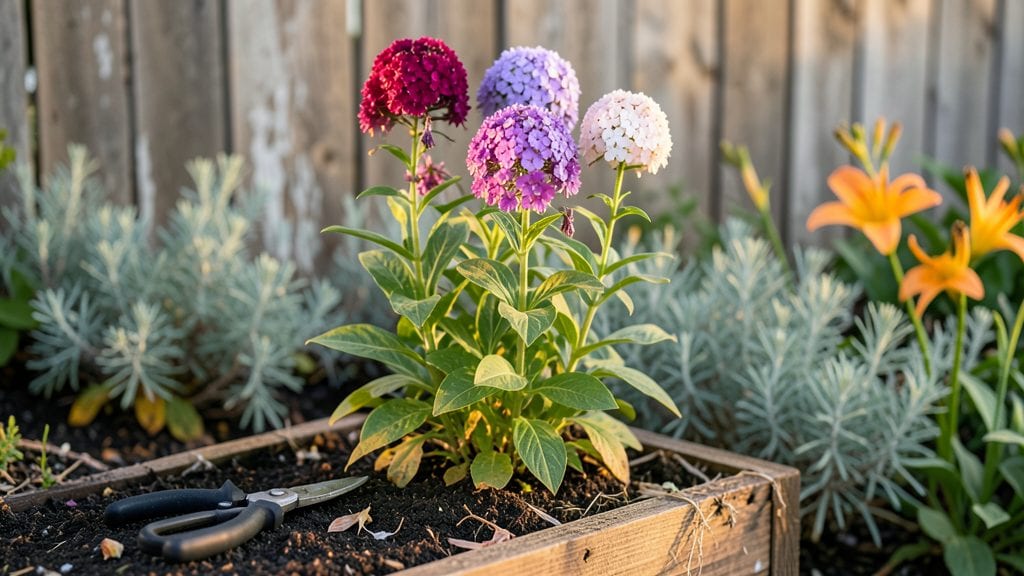
Deadheading garden phlox isn't just about tidying up—it's the secret to turning your summer borders into a nonstop parade of color. ✨ I've watched phlox go from a single flush of blooms to months of vibrant flowers just by cutting back spent stems at the right time.
The difference is night and day, and once you see it, you'll never skip this step again.
You only need two things: clean, sharp pruners and a sunny afternoon. Grab your tools, wait until after the first flush of blooms has faded (usually mid-to-late summer), and get ready to transform your garden.
Phlox responds like a well-behaved pet—trim it right, and it rewards you with fresh growth and even more flowers. The key is speed: work quickly to avoid crushing stems, and always cut just above a set of healthy leaves.
What you'll end up with is a bushier, fuller plant that keeps producing blooms until frost. The stems stay strong, the flowers stay vibrant, and you'll have fewer problems with mildew because you're removing old growth where moisture lingers.
Plus, your neighbors will ask how you keep your phlox looking so fresh—now you can tell them the secret.
Pro tip: Pair your phlox with catmint or lavender to keep pests at bay, and always deadhead in dry weather to prevent fungal issues. This method works for both tall border phlox and shorter varieties, so every garden can benefit. Ready to give it a try?
📚 In This Guide
- What you need
- Instructions
- Tips and common mistakes
- Wrapping up and next steps
What you need
- ● Pruning shears or sharp bypass pruners – Choose clean, sharp tools to avoid damaging stems or spreading disease. A 5-inch to 7-inch pair works best for phlox.
- ○ Gloves (optional but recommended) – Wear gardening gloves to protect your hands from thorns or rough stems.
- ● Bucket or trash bag – A 5-gallon bucket or sturdy bag to collect spent blooms and debris.
- ● Garden kneeler or stool – For comfort, especially if your phlox is low to the ground or you have back sensitivity.
- ● Water spray bottle (with mild soapy water) – For disinfecting tools between cuts to prevent fungal spread.
- ● Hand pruners or small scissors – For delicate trimming of individual blooms in tight spaces.
- ● Garden twine or rubber bands – To bundle cuttings for composting or propagation.
- ● Compost bin or bag – To recycle healthy plant debris instead of tossing it.
- ● Sunscreen and hat – If you’re working outdoors on a sunny day!
- ● Choose the right time – Deadhead phlox on a dry, overcast day or in the early morning to reduce stress on the plant.
- ● Identify spent blooms – Look for flowers that are wilted, brown, or past their prime—these are ready to go!
- ● Know your phlox type – Some varieties (like Phlox paniculata) benefit from heavier pruning, while others may need gentler care.
How to deadhead garden phlox for longer blooming seasons
Here's the straightforward method I use to keep my phlox flowering until frost—no fancy tools or guesswork.
✂️ Step 1: Identify and Remove Spent Blooms
Start by pinching off individual faded flowers as soon as their petals begin to drop. I use clean, sharp pruners or just my fingers—no need for anything fancy. The key is to cut just above the first set of healthy leaves below the bloom. This ensures the plant redirects energy to new growth rather than seed production.
Watch for buds that haven't opened yet. These are your future blooms, so leave them alone. Only remove flowers that are completely spent—those with brown centers or wilting petals. You'll see fresh buds forming within a week of regular deadheading.
✂️ Step 2: Trim Back Leggy Stems
After the first flush of blooms, some stems may stretch tall and thin. These "leggy" stems won't produce strong new flowers. Use your pruners to cut them back to within 2-3 inches of the base. This might seem drastic, but it encourages bushier growth from lower buds.
Make cuts at a 45-degree angle just above a leaf node. This prevents water from pooling on the cut stem, which can rot. You'll notice new side shoots emerging from lower nodes within 7-10 days, each with potential for new blooms.
✂️ Step 3: Shape the Plant for Fullness
Step back and look at your phlox as a whole. The goal is to maintain a rounded shape that catches light from all sides. Cut back any stems that are growing outward too aggressively, especially those that look thin or overcrowded. Focus on opening up the center of the plant to improve airflow.
I like to work in stages—first the spent blooms, then the leggy stems, and finally the shaping. This prevents over-pruning in one session. After shaping, give the plant a light watering to help it recover. You'll see fresh buds forming within 2 weeks if you've done it right.
⏰ Step 4: Time Your Deadheading for Continuous Blooms
Phlox typically blooms in two waves—early summer and late summer. To extend the second wave, start deadheading right after the first major flush of flowers opens. Continue this process every 2-3 days during peak bloom time. The more consistently you remove spent blooms, the longer your plant will produce new ones.
I know it seems like a lot of work, but here's the thing—once you get in the rhythm, it takes just a few minutes every couple of days. The payoff is worth it: phlox that keeps blooming until frost. Just don't wait until flowers are completely brown and dried out—that's when the plant stops putting energy into new growth.
🌿 Step 5: Prepare for Next Season
As summer winds down, cut back all stems to 4-6 inches above the ground. This helps prevent disease and makes the plant look tidy. I do this in early fall, after the first frost. The plant will still have time to recover before winter sets in.
Don't worry about removing all the leaves—some will naturally die back. Just focus on cutting back the woody stems. This prepares the plant for next year's growth. In spring, you'll see fresh new shoots emerging from the base, ready to bloom again.
Tips & tricks for perfect deadheading garden phlox
Here's what I've learned after years of keeping my phlox blooming all summer—these little tricks make all the difference.
Timing is Everything: In Step 4, when you're deadheading every 2-3 days, I've found mornings work best. Flowers are fully open and easy to spot, and the cool morning air helps prevent stress on the plant. If you're busy, set a phone reminder—consistency is key to that continuous bloom cycle. The plant needs that regular signal to keep producing new flowers.
Tool Technique: For Step 1, I always use clean pruners—even if you're just pinching off flowers with your fingers, make sure your hands are clean. Dirt and bacteria on your fingers can transfer to the plant and cause issues. If you're using pruners, wipe them down with rubbing alcohol between cuts to prevent spreading disease from one flower to another.
Visual Cues for Cutting: When you're trimming back leggy stems in Step 2, look for the first set of healthy leaves below the flower. The cut should be just above that leaf node—this is where new growth will emerge. If you cut too close, you remove potential growth points. Think of it like giving the plant a haircut that leaves room for new styles to grow.
Seasonal Prep: For Step 5, don't rush the fall cleanup. Wait until after the first hard frost when the plant has gone completely dormant. This gives it time to store energy in its roots for next year's blooms. I mark my calendar for two weeks after the average first frost date in my zone to time it perfectly.
Pro Tips for Deadheading Garden Phlox
- Here's what I've learned after years of keeping my phlox blooming all summer—these little tricks make all the difference.
- Timing is Everything: In Step 4, when you're deadheading every 2-3 days, I've found mornings work best.
- Tool Technique: For Step 1, I always use clean pruners—even if you're just pinching off flowers with your fingers, make sure your hands are clean.
Frequently asked questions
Got questions about deadheading garden phlox?
You’re not alone! Here are answers to the most common queries—so you can keep your phlox thriving and blooming all season long.
When is the best time to deadhead garden phlox?
Deadhead phlox regularly throughout the blooming season—typically every 1–2 weeks once flowers start fading. For early-summer bloomers, begin in late spring; for late-summer varieties, wait until early July. Always remove spent blooms before they form seed heads to encourage new growth. Pro tip: Morning hours are ideal to avoid attracting pests.
How do I deadhead phlox without damaging the plant?
Use clean, sharp pruners or your fingers to pinch off just above the first set of healthy leaves (about ¼ inch below the faded bloom). Avoid cutting into woody stems—this can stress the plant. For clusters, snip the entire stem back to a leaf node. Never remove more than ⅓ of the plant’s foliage at once.
What if my phlox stops blooming after deadheading?
If blooms taper off, check for these issues:
- Over-pruning: Too aggressive cuts can shock the plant. Stick to removing only spent flowers.
- Nutrient deficiency: Feed with a balanced fertilizer (10-10-10) after deadheading to support regrowth.
- Pests/disease: Yellowing leaves or wilting may signal powdery mildew or aphids. Treat with neem oil or fungicide if needed.
Also, ensure your phlox gets 6+ hours of sunlight daily.
Can I skip deadheading and still get blooms?
Yes! Phlox will still bloom if you skip deadheading, but flowers may be fewer and shorter-lived. Without deadheading, the plant diverts energy to seed production instead of new blooms. However, if you love the rustic, seed-head look, let some stems go—just remove most spent blooms for a balance of aesthetics and longevity.
Should I deadhead phlox in fall or winter?
No—wait until spring to prune back phlox. Deadheading in fall or winter can leave stems vulnerable to frost damage or disease. Instead, trim back only any dead or diseased foliage in late winter (just before new growth emerges). This keeps the plant healthy for next year’s blooms!
Wrapping up and next steps
Deadheading garden phlox is your secret weapon for longer, bolder blooms all season long! By snipping spent flowers and keeping your plants healthy, you’ll enjoy a nonstop show of vibrant color—no fancy tricks required. 🌸
Ready to take your garden to the next level? Grab your pruners and schedule a quick deadheading session every few days. Your phlox will thank you with weeks of fresh, happy blooms—and so will your summer views!