
Light Requirements
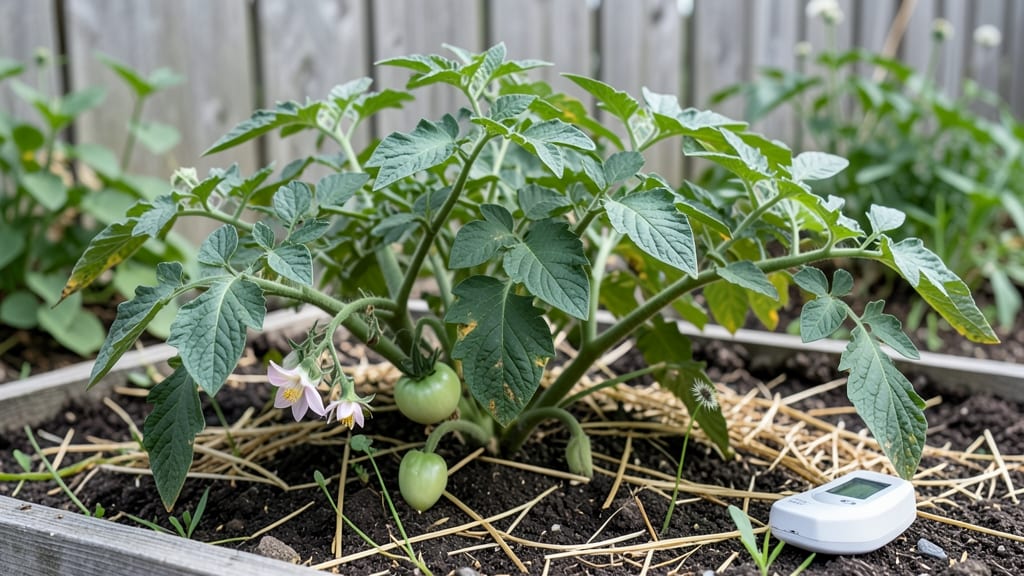
Vegetable gardens don’t always need full sun—many edible crops thrive with partial shade, especially in hot climates or shaded spots, though sun requirements vary by plant type and maturity stage.
While sunlight fuels plant growth, not all vegetables demand constant exposure—leafy greens like spinach and kale actually prefer cooler, dappled light to prevent bolting (premature flowering). Radishes and green onions grow surprisingly well in partial shade too, making them perfect for north-facing beds or urban balconies with limited sun.
The key is matching plant needs: fruiting crops (think peppers or cucumbers) still crave 6+ hours of light, while leafy varieties can thrive with just 3-4 hours of indirect rays. 💫
Even in shady spots, proper spacing and soil health become critical—crowded plants compete for what little light exists, while rich, organic soil compensates with better nutrient uptake.
I’ve seen Swiss chard produce vibrant stems under a 30% shade cloth, proving that strategic planning can turn low-light areas into productive garden zones. Just avoid deep shade entirely, as that’s where most vegetables will struggle to photosynthesize effectively. ✨
💡 In This Article
- How Sunlight Affects Vegetable Growth and Yield
- Best Shade-Tolerant Vegetables for Low-Light Gardens
How sunlight affects vegetable growth and yield
Sunlight drives photosynthesis—the process where plants convert light energy into chemical energy (glucose) using chlorophyll. Vegetables need this energy to grow leaves, stems, and produce fruit, but not all crops require the same intensity.
Leafy greens like spinach and kale have evolved to thrive in lower light conditions because their primary goal is leaf production, not fruit development. These plants prioritize energy toward leaf growth, which is why they tolerate partial shade better than fruiting crops like tomatoes or peppers.
Light intensity directly impacts nutrient production. For example, tomatoes need 6-8 hours of direct sun daily to develop their signature sweetness and vibrant color. Without sufficient light, they produce fewer flowers and smaller fruit, while leaves may turn pale or yellow—a sign of chlorophyll breakdown.
In contrast, Swiss chard can grow well with just 3-4 hours of sunlight because its thick, colorful stems store energy efficiently, making it far more shade-tolerant. 🌱 The key difference lies in their photosynthetic efficiency: leafy greens use light more sparingly, while fruiting plants demand higher energy inputs.
Light deprivation triggers visible stress responses. When vegetables don’t get enough light, they stretch toward any available rays—a phenomenon called etiolation. This results in weak, leggy stems that struggle to support fruit or leaves. In extreme cases, plants may develop chlorosis (yellowing leaves) due to insufficient chlorophyll production.
Even shade-tolerant crops like lettuce will bolt (go to seed prematurely) if exposed to too much heat and not enough light, proving that balance is critical. The science shows that 40-60% shade is ideal for many greens, while fruiting plants need at least 50% direct sunlight for optimal yield.
Temperature and light work together to shape growth patterns. In hot climates, partial shade protects plants from excessive heat while still allowing enough light for photosynthesis. For instance, basil thrives in morning sun and afternoon shade because the midday heat would otherwise cause the leaves to wilt.
Meanwhile, root vegetables like carrots and beets need consistent light to develop properly, but they can tolerate partial shade if the soil stays moist. The trade-off? Slower growth and smaller harvests compared to full-sun conditions. 💡
Here’s what happens when you push the limits: radishes grown in deep shade may produce smaller, pithy roots, while tomatoes in low light become bitter and underdeveloped. The reason? Fruiting plants allocate energy toward reproductive structures (fruit) rather than leaves, making them far more sensitive to light deprivation.
Leafy greens, however, can redirect energy toward leaf production even in dimmer conditions, explaining why they’re the go-to for shaded gardens. Understanding these differences helps gardeners make informed choices about plant placement.
For a practical example, consider a 30% shade cloth over a garden bed. Under this setup, Swiss chard might produce 20% fewer leaves than in full sun, but the quality remains high.
Meanwhile, tomatoes under the same cloth would yield 50% less fruit and develop poor flavor. This demonstrates how plant biology dictates light needs—some crops are simply more adaptable than others. ✨