Landscaping
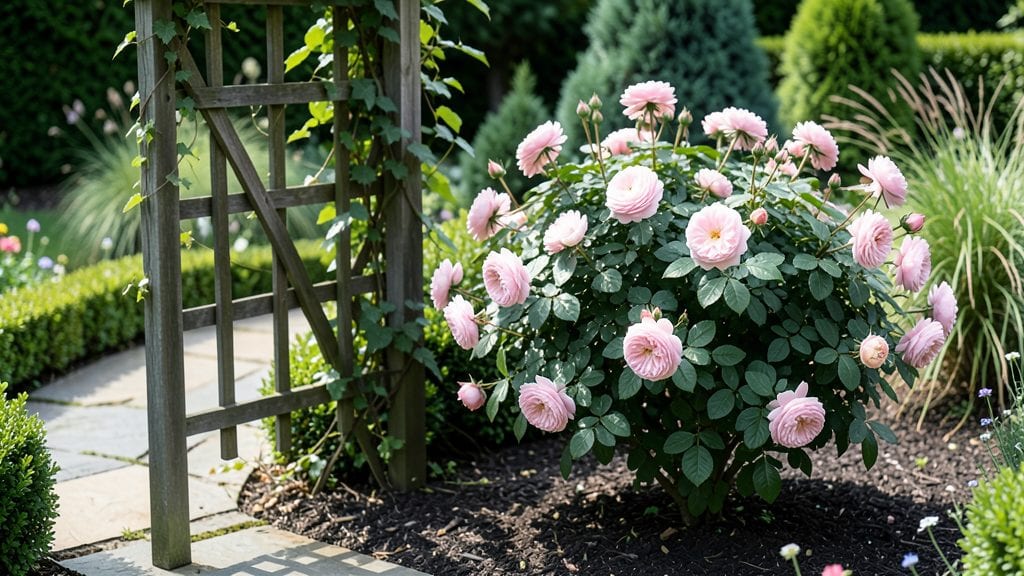
Creating an English garden landscaping design feels like crafting a story where every plant has a role and every path invites you to linger. 🌿 The secret lies in layering—romantic roses climbing arbors, lavender swaying in cottage-style borders, and hydrangeas spilling over stone walls.
This isn’t just a garden; it’s a living tapestry that whispers history through its winding paths and hidden seating nooks.
The magic happens in the details: herbaceous perennials that return year after year, a small pond reflecting the sky, and gravel paths that lead you deeper into the scene. It works best in cooler climates like the UK or Pacific Northwest, where the plants thrive without fuss.
You don’t need acres—even a small yard can feel like a secret garden with the right mix of textures and colors.
Imagine stepping into a space where every season reveals something new—spring’s delicate blooms, summer’s fragrant lavender, autumn’s fiery berries, and winter’s skeletal beauty. The result? A private retreat that feels timeless, not trendy. Here’s how to build those layers, one plant at a time.
Whether you’re starting from scratch or refining an existing space, the key is balance: structure meets spontaneity, formality meets wildness. Let’s bring that classic English charm to your backyard—one whimsical layer at a time.
📚 In This Guide
- What you need
- Instructions
- Tips and common mistakes
- Wrapping up and next steps
What you need
- ● Topsoil: 10–15 cubic yards (depending on space; opt for nutrient-rich, well-draining soil).
- ● Mulch: 2–3 cubic yards (cedar or bark mulch for a classic look).
- ● Gravel or Pebbles: 1–2 bags (for pathways or borders; use ½"–¾" rounded stones).
- ● Perennials & Annuals: 10–20 lavender plants (for fragrance and structure).
- ● 15–30 roses (climbing or shrub varieties for romance).
- ● 20–40 foxgloves, peonies, or delphiniums (for height and drama).
- ● Ground cover: Creeping thyme or ajuga (10–15 plants).
- ● Ornamental Grass: 5–10 feather reed grass or maiden grass clumps (for texture).
- ● Arbor or Trellis: 1–2 (wooden or metal; 6–8 ft tall for climbing roses).
- ● Garden Seating: 1–2 wrought-iron or wooden benches (or vintage chairs for coziness).
- ● Privacy Elements: Hedges: 10–15 boxwood or privet shrubs (3–4 ft tall).
- ● Lattice Panels: 2–4 (6 ft tall; paint in soft pastels or natural wood).
- ● Essential Tools: Shovel & Spade (heavy-duty, stainless steel).
- ● Garden Fork (for aerating soil).
- ● Pruners (bypass pruners for clean cuts).
- ● Wheelbarrow (2–3 cubic ft capacity).
- ● Rake (bow rake for leveling soil).
- ● Garden Gloves (waterproof, reinforced).
- ○ Optional (But Helpful!): Soil Tester Kit (to check pH and nutrients).
- ● String Line & Stakes (for marking layouts).
- ● Hose with Adjustable Nozzle (for watering).
- ● Portable Saw (for trimming branches).
- ● Site Assessment: Measure your space and note sunlight/shade patterns (English gardens thrive in partial shade).
- ● Permits (if applicable):
- ● Check local regulations for permanent structures (like arbors or lattice).
- ● Verify privacy fence height restrictions (if adding hedges).
- ● Budget Planning: Low-end: $1,500–$3,000 (DIY-focused, smaller space).
- ● Mid-range: $3,000–$6,000 (mix of plants, seating, and structures).
- ● High-end: $6,000+ (custom trellises, rare perennials, or professional installation).
- ● Seasonal Timing: Spring or Early Fall (ideal for planting perennials).
- ● Avoid summer heat or winter frost for best root establishment.
Instructions for crafting an English garden with privacy-focused layers
Here's how I create a lush, layered retreat that feels like stepping into a storybook.
🌿 Step 1: Define Your Backdrop with Tall, Privacy-Focused Plants
Start with a 6-foot-tall evergreen hedge or ornamental grasses like pampas grass along your property line. These act as your garden's "walls" and create instant privacy. I like using hydrangeas or ornamental cherries for seasonal color that still provides height. Space them 3-4 feet apart so they fill in quickly.
For a softer look, mix in climbing roses trained on trellises or clematis vines—both add vertical interest while keeping things airy. The key is to plant these 12-18 inches deeper than their nursery pots to encourage strong root systems. Water deeply right after planting so the soil settles around the roots.
🪴 Step 2: Layer Mid-Height Shrubs for Texture and Seasonal Interest
Now fill the middle layer with 3-5 foot shrubs like boxwoods, lavender, or dwarf lilacs. These create depth and prevent the space from feeling flat. I stagger their heights—taller ones toward the back, shorter ones in front—so light filters through beautifully. Use mulch to keep weeds down and retain moisture.
For whimsy, add ornamental grasses like fountain grass or maiden grass in clusters of three. Their movement adds life to the scene. Space these 2-3 feet apart and plant them where they’ll get morning sun to prevent scorching. The goal here is to create a natural, meandering look—no straight lines, just organic curves.
☀️ Step 3: Weave in Perennials for Color and Movement
Now for the magic: perennials that bloom at different times. I mix peony, delphinium, and black-eyed Susan for height, then add hostas and heuchera for ground cover. These plants thrive in partial shade, perfect for under taller shrubs. Plant them in odd-numbered groups (3, 5, or 7) for a natural, balanced look.
Don’t forget climbing plants like honeysuckle or jasmine—they’ll spill over trellises and add fragrance. Water these deeply once a week during dry spells, but avoid soggy soil. The idea is to let them look effortless, so don’t over-prune. Let them grow wild and fill in over time.
✂️ Step 4: Add Finishing Touches with Pathways and Seating
Wind a curving gravel path through the garden to invite exploration. I use stepping stones for a classic look, but smooth river rocks work too. Plant moss along the edges for a soft, velvety feel. For seating, add a wrought-iron bench or stone slab tucked under a tree—somewhere you can sit and watch the layers unfold.
Finally, scatter ornamental accents like birdbaths, garden art, or old-fashioned lanterns to tie everything together. These small details make the space feel lived-in and intentional. Prune back any overgrown areas in early spring to refresh the garden before new growth starts.
Tips & tricks for creating an English garden with privacy-focused layers
Creating that dreamy, layered English garden isn't about strict rules—it's about intuitive design choices that make your outdoor space feel like a secret sanctuary.
Planting Depth Matters: In Step 1, when planting your 6-foot-tall evergreen hedge or ornamental grasses, dig those roots 12-18 inches deeper than their nursery pots. This might seem extreme, but it encourages stronger root systems that establish faster. I've seen gardens where plants struggle because they weren't planted deep enough—don't make that mistake! The extra depth helps them handle seasonal weather changes better too.
Light Filtering is Key: When you're staggering your 3-5 foot shrubs in Step 2, think about how light will move through your garden. Place taller shrubs toward the back and shorter ones in front to create that magical dappled light effect. This isn't just about looks—it helps prevent leggy growth in your plants. I always test this by standing where my seating area will be and imagining how light will flow through the space at different times of day.
Grouping Creates Natural Balance: The odd-numbered groupings (3, 5, or 7) mentioned in Step 3 aren't just a design trick—they mimic how plants grow naturally in forests. When planting your perennials, leave about 18-24 inches between groups so they can spread without competing for space. This spacing also makes maintenance easier—you can reach the center of each group without trampling your plants.
Seasonal Planning Prevents Gaps: Here's what nobody tells you—English gardens look magical year-round because they're planned with seasonal layers. When selecting your climbing plants in Step 3, choose varieties that bloom at different times. For example, pair early blooming honeysuckle with late-season jasmine to ensure you always have fragrant accents. I keep a simple chart tracking bloom times for all my plants to avoid seasonal gaps in color.
Pro Tips for English Garden Landscaping
- Creating that dreamy, layered English garden isn't about strict rules—it's about intuitive design choices that make your outdoor space feel like a secret sanctuary.
- Planting Depth Matters: In Step 1, when planting your 6-foot-tall evergreen hedge or ornamental grasses, dig those roots 12-18 inches deeper than their nursery pots.
- Light Filtering is Key: When you're staggering your 3-5 foot shrubs in Step 2, think about how light will move through your garden.
Frequently asked questions
Got questions about creating your own English garden landscaping? Here are some of the most common ones—and their answers—to help you bring that dreamy, layered charm to life!
What are the key elements of an English garden?
An authentic English garden blends romantic layers with natural textures. Look for:
- Mixed perennials (like roses, peonies, and lavender) for height and color.
- Ornamental grasses and shrubs (e.g., hydrangeas, boxwood) for structure.
- Arbors, trellises, and topiary for whimsical verticals.
- Soft paths (gravel, stepping stones) and cozy seating nooks.
- Wildlife-friendly touches like birdbaths or bee hotels.
When is the best time to plant an English garden?
Timing depends on your climate, but generally:
- Spring (March–May) is ideal for perennials, shrubs, and trees—plant after the last frost.
- Fall (September–November) works for bulbs (tulips, daffodils) and cool-season plants.
- Avoid summer heat—it stresses plants and reduces root establishment.
How much does English garden landscaping cost?
Costs vary widely based on size and materials, but here’s a rough breakdown:
Item
Low-End Cost
Mid-Range Cost
High-End Cost
Plants (perennials, shrubs)
$50–$200
$300–$800
$1,000+
Hardscaping (paths, trellises)
$200–$500
$600–$1,500
$2,000+
Labor (DIY vs. pro install)
$0 (DIY)
$1,000–$3,000
$5,000+
Can I create an English garden in a small space?
Vertical gardening
and containers are your best friends. Try:
- Tiered plant stands for herbs and flowers.
- Wall-mounted planters with trailing ivy or ferns.
- Mini trellises for climbing roses or clematis.
- Window boxes or hanging baskets for color.
How do I keep pests away from my English garden?
English gardens attract charm—and pests! Prevent issues with:
- Companion planting (e.g., marigolds repel aphids, lavender deters mosquitoes).
- Neem oil or insecticidal soap for organic pest control.
- Healthy soil (rich in compost) makes plants resilient.
- Beneficial insects like ladybugs or lacewings to eat pests naturally.
Wrapping up and next steps
Creating an English garden is all about blending whimsy, texture, and privacy into a serene outdoor retreat. From lush hedges to winding paths and charming garden ornaments, every layer adds depth and character.
Whether you’re a seasoned gardener or just starting, the key is to let your creativity bloom—mix plants, colors, and structures to craft a space that feels uniquely yours.
Ready to transform your space? Start small—sketch a design, gather a few key materials, and take the first step toward your dream garden. Your tranquil oasis is just a shovel’s throw away! 🌿✨